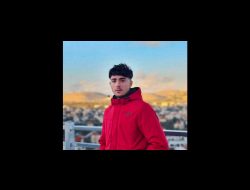
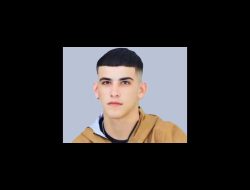
In a raid on Tulkarm R.C., Israeli forces shot and killed a young man and woman, prevented evacuation of the man and shot a paramedic trying to evacuate the woman
On Tuesday, 10 September 2024, around 12:30 P.M., Israeli special forces accompanied by a surveillance drone entered Tulkarm Refugee Camp. At least some of them arrived in civilian vehicles with Palestinian license plates. About an hour and a half later, additional military, Border Police, and Shin Bet (ISA) forces entered the camp, equipped with heavy engineering vehicles intended to destroy the streets.
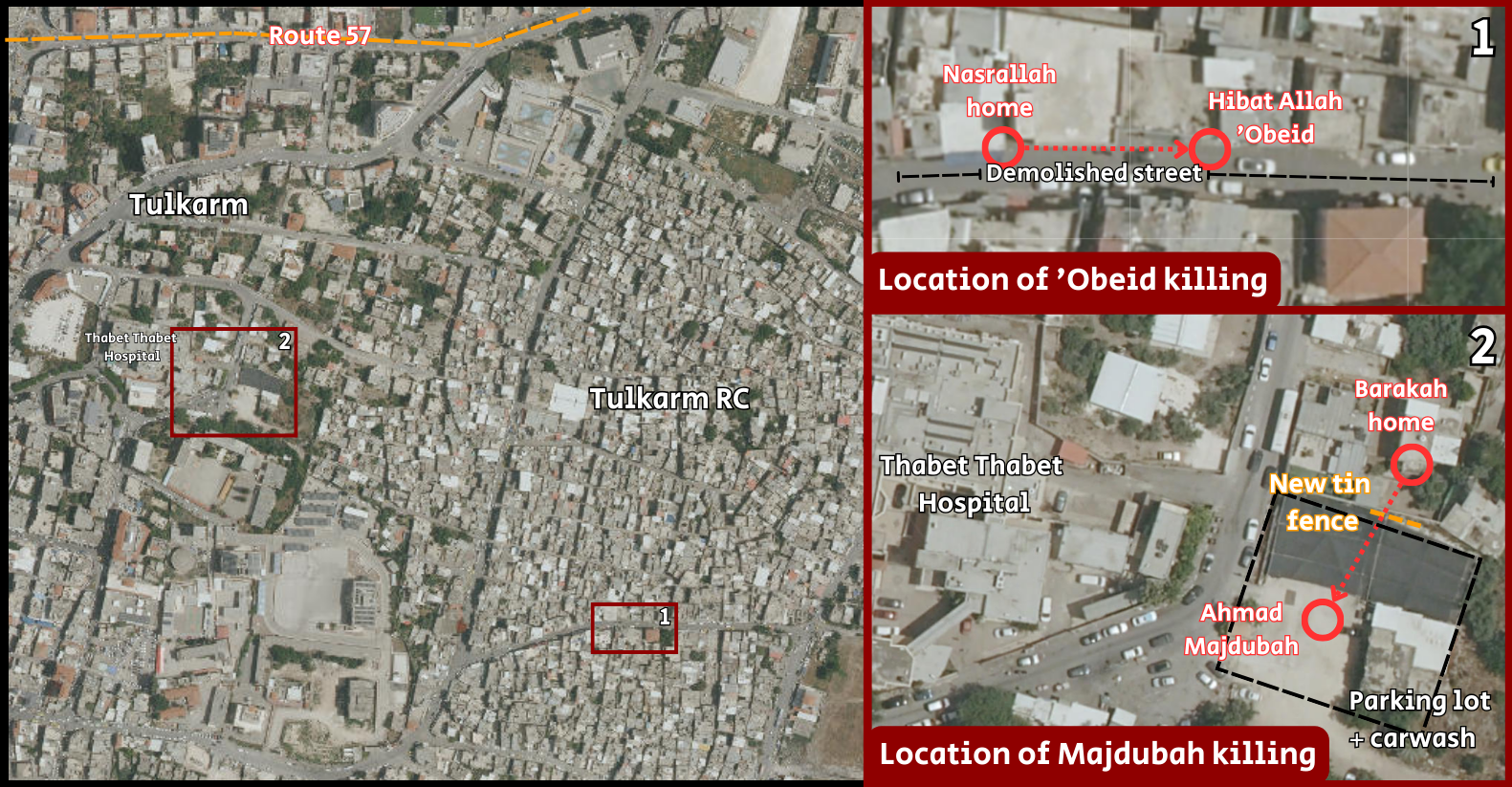
Residents going about their day throughout the camp began to return to their homes after hearing about the forces' presence. They were unaware that some of the forces that arrived at midday had already positioned themselves on rooftops of buildings. The forces fired at passersby, killing two young people: Ahmad Majdubah, 25, who was trying to close the gate of his family's car wash to go home, and Hibat Allah ‘Obeid, 21, who stepped out of her house with her mother to check on the commotion outside.
Click to enlarge
The forces also took control of the areas around the Thabet Thabet and Al-Israa (Al-Zakat) hospitals in Tulkarm city, so that wounded persons could not be taken to these hospitals without going through them.
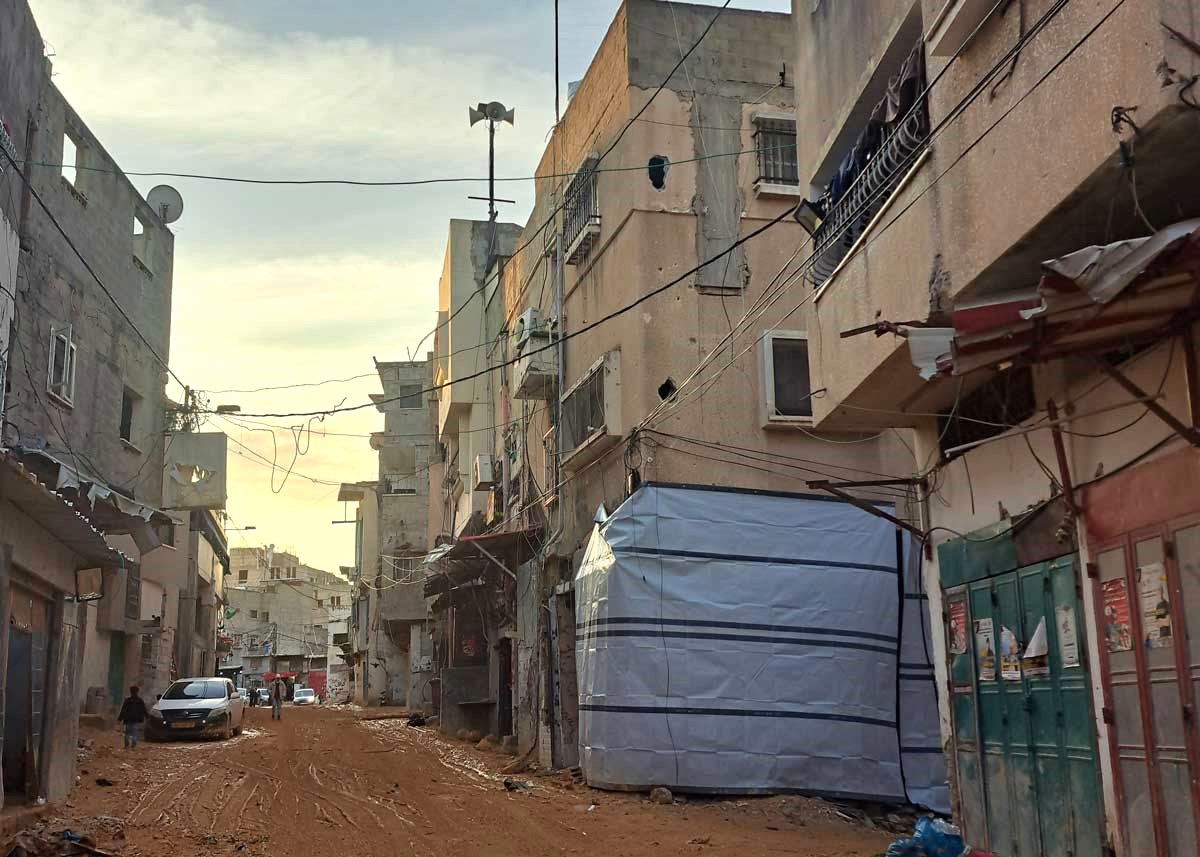
The holes created by the forces in the walls of the second and third floors of the Nasrallah family’s home. Photo: Abdulkarim Sadi, B’Tselem
After most the forces entered the camp, bulldozers began destroying its streets, causing damage to several buildings under the pretext of removing explosives and demolishing structures used for military purposes. Clashes between the military and Palestinian gunmen broke out across the camp, including exchanges of fire and attempts to target the bulldozers by hurling or detonating IEDs.
On the second evening of the raid, Israel launched an airstrike on a vehicle carrying three members of the armed wing of Islamic Jihad, approximately 2.5 kilometers northeast of Tulkarm R.C., killing them.
The forces left the area only on Thursday night, 12 September 2024, after which the bodies of those killed could be recovered and buried.
The killing of Ahmad Majdubah
Ahmad Majdubah
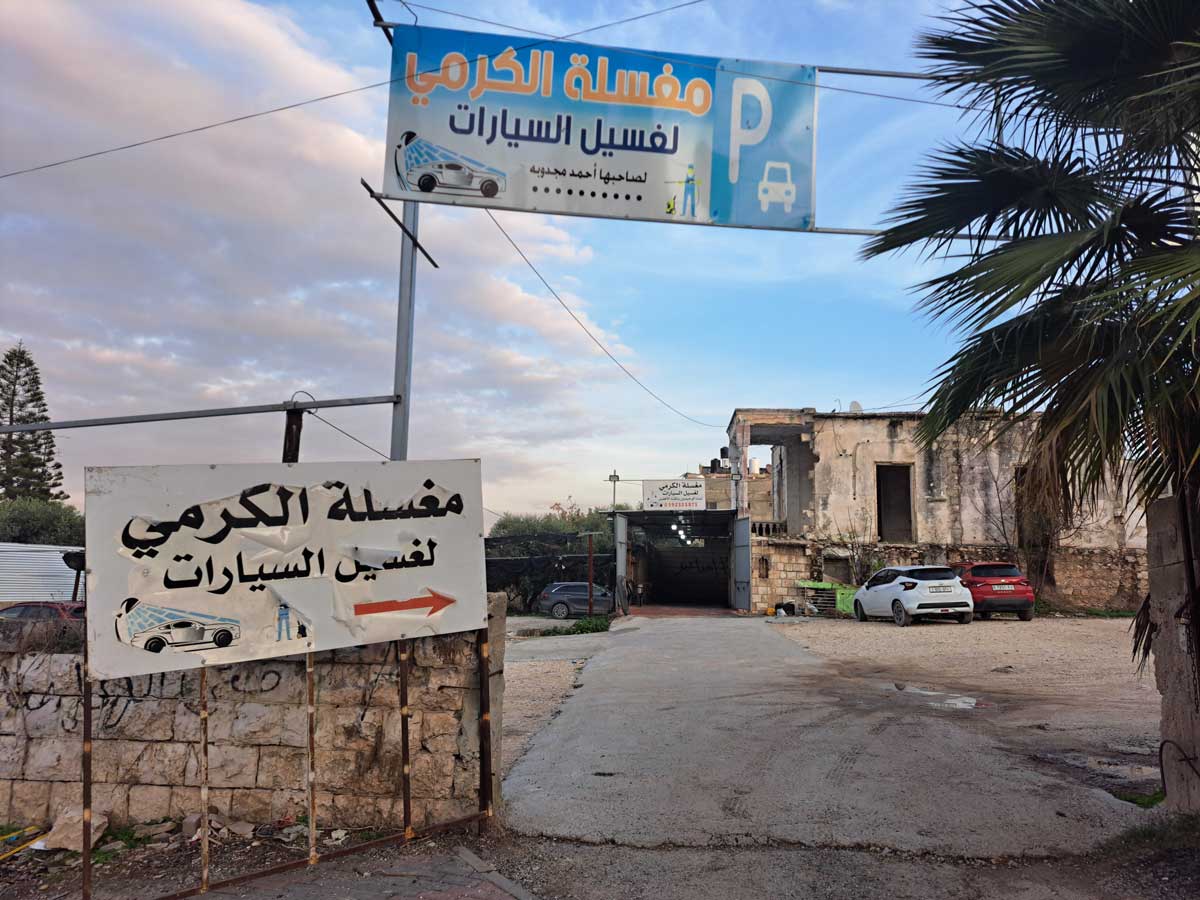
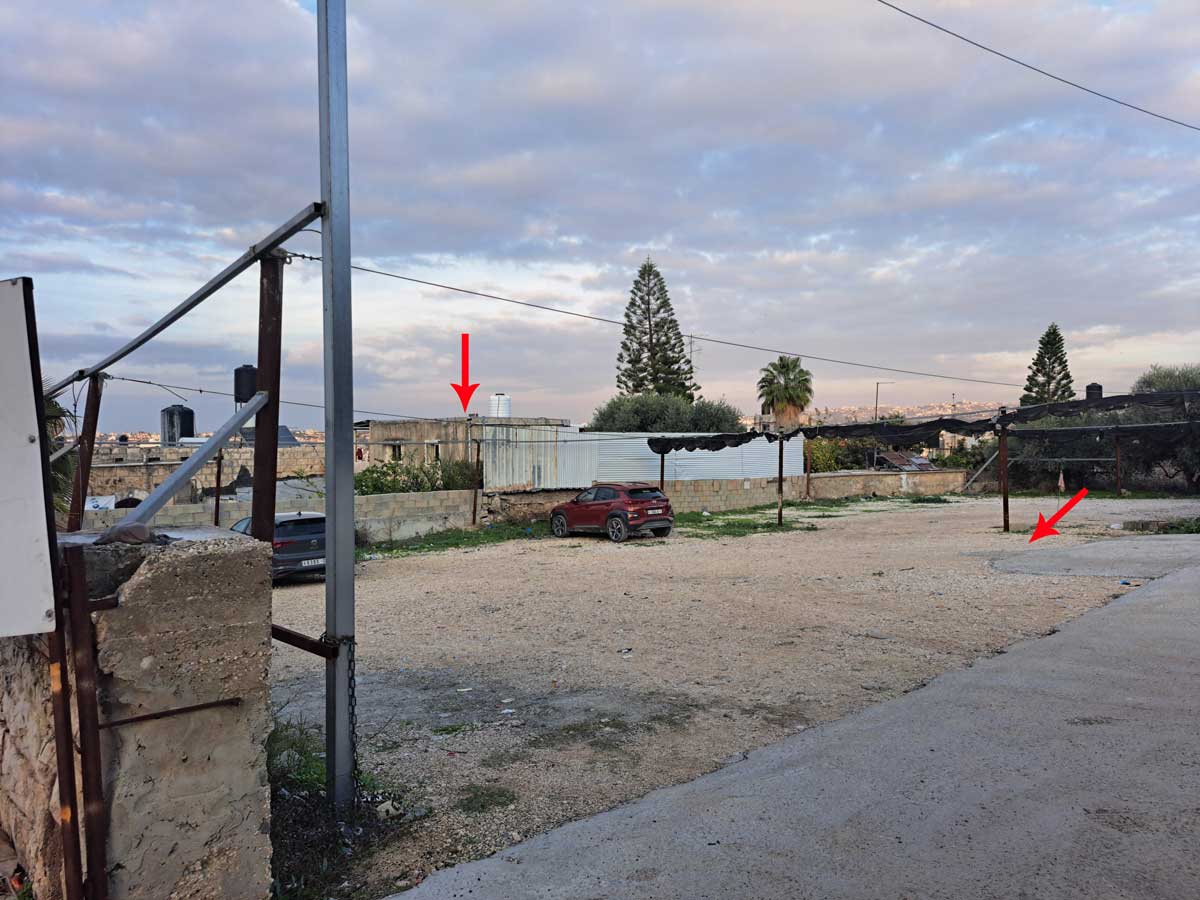
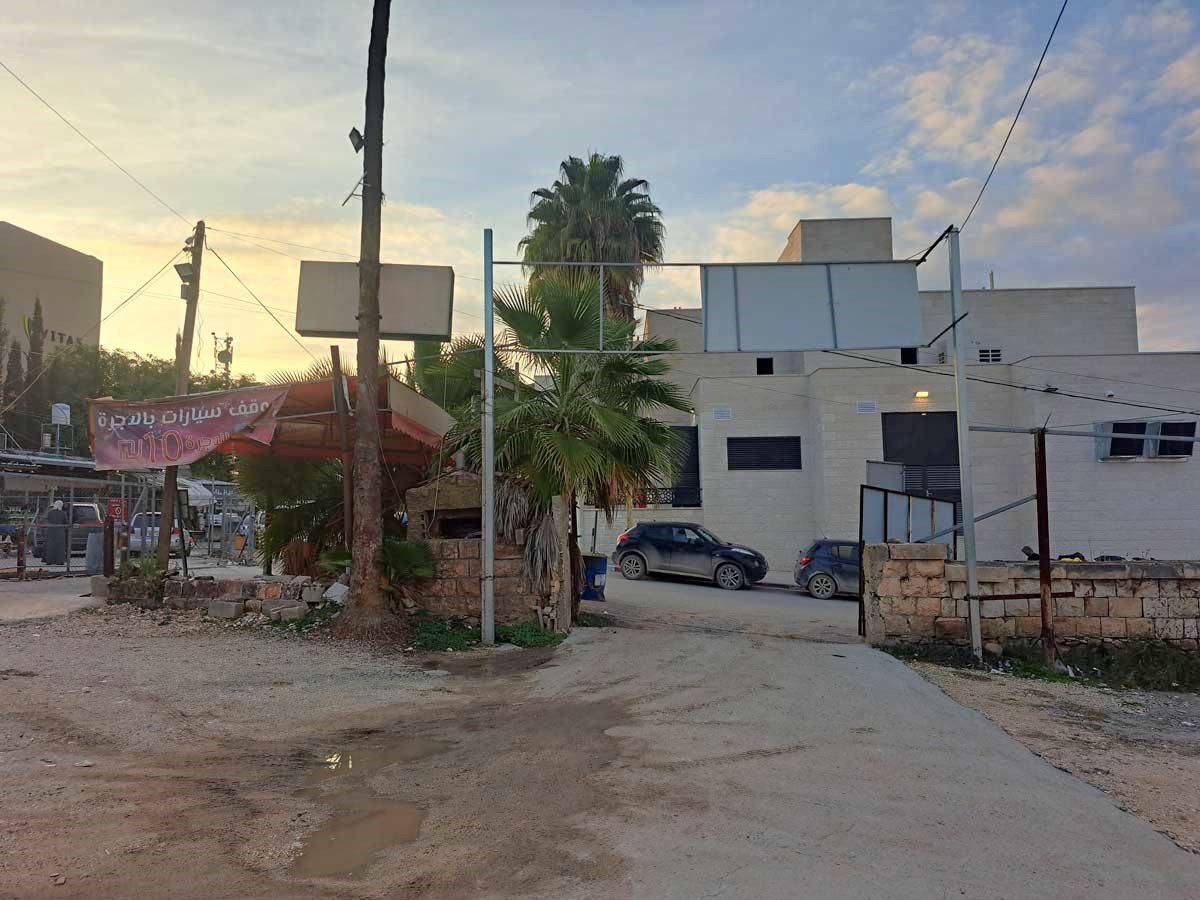
On 10 September 2024, around 1:30 P.M., after learning about the presence of Israeli forces in the camp, the Majdubah family began closing their business—a parking lot and car wash facility in the western part of the camp, near Thabet Thabet Hospital and Tulkarm city – in order to go home. Ahmad Majdubah, 25, was just about to close the gate of the facility when he was shot in the head, likely from a house about 20 meteres away that the forces had taken over a short time before. The shooting at the family's business continued after Ahmad was hit, preventing anyone from evacuating or providing him with first aid.
Even after the gunfire stopped, the forces remained near the parking lot for over an hour, blocking ambulances and medical personnel from evacuating Ahmad to the nearby Thabet Thabet Hospital, just a few dozen meters away. The forces searched Ahmad's belongings and the family business, and did not give him first aid. A Red Crescent crew was only allowed to evacuate Ahmad over an hour later, by which time he had already succumbed to his injuries. The military's statement the next day made no mention of civilian casualties during the raid.
The entrance to the parking lot and car wash where Ahmad Majdubah was shot. Photo: Abd al-Karim Saadi, B’Tselem
B’Tselem field researcher Abdulkarim Sadi collected testimonies from camp residents.
Khaled Farhanah, 59, a father of five, said in his testimony on 24 September 2024:
Everything was quiet around 1:30 P.M. It was businesses as usual, with cars driving in and out of the parking lot I work in. The car wash was busy, too, with Ahmad Majdubah washing vehicles.
Suddenly, I heard young people shouting, ‘The army is here! The army is here!’ I saw Ahmad getting ready to close the car wash, and I started preparing to leave the parking lot and get out of there. Recently, we’ve gotten used to army raids on the city or on the camp lasting several days.
The Barakah home from which the soldiers apparently shot Ahmad Majdubah and the spot where he fell. The tin fence was put up after the shooting. In the aerial photo above, the shade is seen unfurled. Photo: Abdulkarim Sadi, B’Tselem
Ahmad grabbed a bag with personal belongings and the day’s earnings and started to close the gate to the car wash. Suddenly, several bullets were fired at him, and he collapsed to the ground. As far as I could tell, the gunfire came from a house about 20 meters away, but I couldn’t see the shooters.
Ahmad was shot in the head. I tried to approach him but only managed to go a few meters toward him, because the gunfire continued. I got scared and decided to retreat and run away. I ran toward the gate of Thabet Thabet Hospital, about 60 meters away.
When I got to the hospital, I went inside. I stood by a window overlooking the parking lot and car wash and watched what was happening. I saw military jeeps drive into the car wash. Ahmad was lying on the ground, motionless, and the soldiers searched the area and inside the car wash. The soldiers stayed there for about two hours and didn’t allow anyone to evacuate Ahmad for over an hour. At some point, I saw a Red Crescent scooter carry him to the hospital. When Ahmad arrived at the emergency room, I was there and saw the hole the bullet made in his head.
I stayed at the hospital until the evening. It was too dangerous to leave because of the army’s presence. That night, I managed to leave with a hospital ambulance that was taking doctors home after their shift. They dropped me off at my son’s house in the Ikhtaba neighborhood because it was impossible to get back to my house in the camp during the raid.
A.h., a paramedic said in his testimony on 9 September 24:
At around 1:50 P.M., we received a call from residents reporting an injured young man in a parking lot east of Thabet Thabet Hospital. Since the ambulances were occupied at that time, another paramedic and I went there on a scooter.
View from the parking lot where Ahmad Majdubah was shot, toward Thabet Thabet Hospital. Photo: Abdulkarim Sadi, B’Tselem
We arrived at the scene around 2:00 and tried to reach the injured person, but two military jeeps blocked us from entering the parking lot. I saw the soldiers checking the belongings of the young man and standing close to him. We waited for more than 45 minutes at the entrance to the parking lot, and only then did the soldiers allow us to go in and take him to the hospital. We entered the area where he was lying on the ground with a bullet wound to the head. We were preparing to evacuate him on the scooter when soldiers quickly came over and ordered us to stop the evacuation until they received further instructions.
We waited by the injured young man, who was already lifeless, for another 20 minutes. While we waited, one of the soldiers told me to pick up a small bag lying near the young man and check who he was. That’s how I discovered his name was Ahmad Majdubah. The soldier took the bag, which had money and a wallet inside. Only after about 20 minutes, around 3:20, were we allowed to take him to the hospital nearby.
I’tidal Barakah, 37, a mother of five, said in her testimony on 24 September 2024:
At around 1:30 P.M., I was waiting for my kids to get home from school. I was at a relative's house about 10 meters from our home.
The kids came home. My son ‘Abd al-Ghafur, who just started first grade, came back with new textbooks and was happy.
We were sitting in the living room, which overlooks the entrance to our house. Suddenly, I saw a large group of soldiers pass by the relative’s house we were sitting in, enter our yard, and then enter our house. I was very scared and decided we should stay at my relative’s. A few minutes later, I head gunshots coming from our house. I didn’t know what was happening there or what they were shooting at.
Later, we saw on social media that a young man had been killed in the parking lot near the hospital. It’s only 20 meters from our house, and our kitchen and bathroom window overlook the parking lot and car wash.
The army’s raid on the city of Tulkarem and on the refugee camps lasted from Tuesday around midday to Thursday evening. My children and I stayed at my relative's house until it was over. When we went home, I found empty shell casings in the kitchen and bathroom, which, as I mentioned, overlook the parking lot and car wash. I also discovered the soldiers had rummaged through the house and damaged the window screens. That’s why I’m certain the young man near the car wash was shot from inside our house.
The killing of Hibat Allah ‘Obeid and injury of paramedic Muhammad Abu Dayah
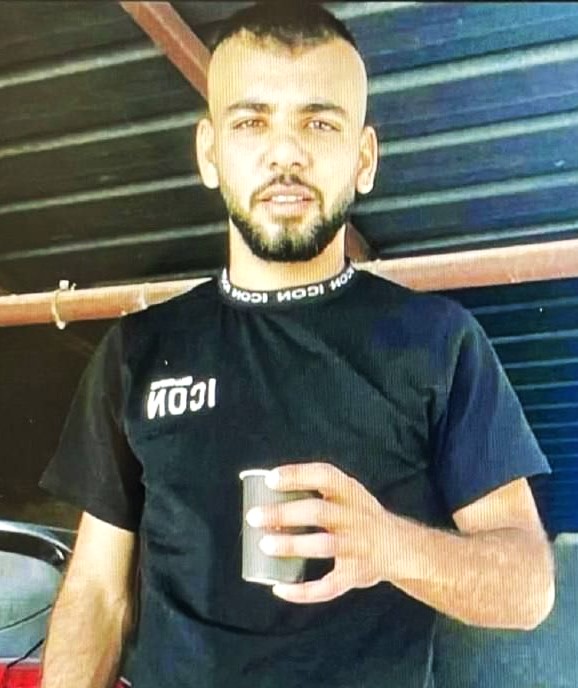
Hibat Allah ‘Obeid. Photo courtesy of the families
Around the time that Ahmad Majdubah was shot, Sanaa ‘Obeid, 62, and her daughter Hibat Allah ‘Obeid, 21, stepped out of their home in the center of Tulkarm R.C. to check on the noise outside. Hibat Allah was shot the moment she stepped outside. The shot was fired by a force positioned in a house about 100 meters away, likely through a hole in the wall.
Muhammad Abu Dayah, a volunteer paramedic from the neighborhood, tried along with several other young men to carry Hibat Allah to an ambulance that was waiting on the other side of the street, as the street was destroyed in previous military raids. While they were carrying her, shot were fired at them, even though Abu Dayah wearing a clearly marked Red Crescent vest. Two bullets hit Abu Dayah in the leg and thigh and he fell down, dropping Hibat Allah. Sanaa ‘Obeid and the other young men managed to drag both Hibat Allah and Abu Dayah to an alley near the family’s home. From there, they used side streets and alleys to take Hibat Allah to the ambulance, which took her to Al-Israa Hospital in Tulkarm. Despite the doctors’ efforts, they were unable to save her life. Abu Dayah underwent surgery, during which metal implants were placed in his leg. The military did not release any statement regarding the circumstances of Hibat Allah’s killing or Abu Dayah’s injury.
Sanaa ‘Obeid, 62, a mother of 13, said in her testimony on 15 September 2024:
We heard young men shouting outside, west of our house. At the time, we didn’t know that Israeli special forces were in the camp and positioned inside neighborhoods and homes. So I went outside to see what was happening. There’s an alley about 10-15 meters long in front of our house that leads to the camp’s main street.
My daughter Hibat Allah followed me outside, because she was curious about the commotion. She peeked carefully around the corner of the house toward the west, where the voices were coming from. I was in shock when I heard gunfire and saw her fall down. She lay there, bleeding heavily, without moving at all. I started screaming for help.
Residents began arriving, including a volunteer paramedic named Muhammad Abu Dayah. Muhammad and a few young men lifted my daughter to carry her across the street to where the ambulance was waiting. Our street was completely destroyed by military bulldozers in previous raids.
While they were evacuating her, shots were fired from the roof of the Nasrallah family’s home, even though Muhammad wearing a Red Crescent vest. Two bullets hit Muhammad in the leg and they dropped my injured daughter. We all ran away to avoid getting shot. Later, we found out that the forces had created two large holes in the wall of the Nasrallah family’s home that faces our street, one on the second floor and one on the third, and had fired through one of the holes.
After my daughter fell, I managed to drag her by the legs with the young men to an alley leading to our house. From there, the young men carried her through the neighborhood’s alleys to the ambulance, which evacuated her to Al-Israa Hospital. The doctors and paramedics tried to save her life, but eventually, they had to pronounce her dead.
Her body remained at the hospital until the raid ended on Thursday evening. She was buried on Friday, 13 September 2024, at noon.
Muhammad Abu Dayah, 33, a paramedic with the Red Crescent and father of one, said in his testimony on 25 September 2024:
On Tuesday, 10 September 2024, I was on duty assisting elderly people in the camp. Things in the camp were calm at the time. Then I received a call from residents asking me to help a young woman who had been shot by soldiers near the Red Crescent center.
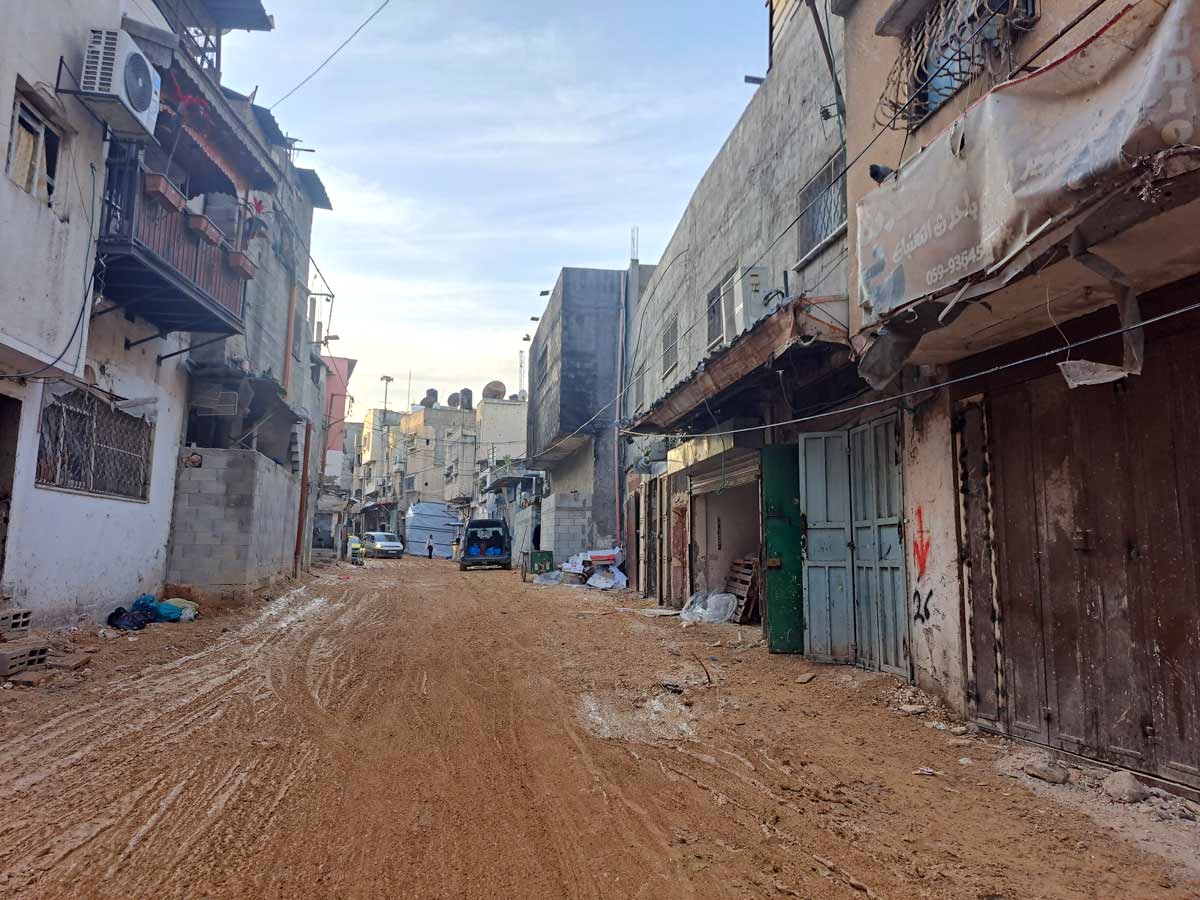
The alley in the center of Tulkarm R.C. where Hibat Allah ‘Obeid was shot. Photo: Abdulkarim Sadi, B’Tselem
I wasn’t far from the location and arrived within two minutes. When I got there, I saw the young woman, Hibat Allah lying on the ground with a gunshot wound to the head, which was covered in blood. Along with some young men, we put her on a stretcher and tried to carry her across the street to an ambulance that had come to take her to the hospital.
When we tried to cross the street, I was shot twice—once in the leg and once in the thigh. I fell to the ground, and Hibat Allah fell from my hands. I crawled to the entrance to an alley for cover. The young men managed to pick her up and carry her into the alley to take cover from the gunfire.
Eventually, the young men succeeded in getting us both to the ambulance waiting across the street. By that time, Hibat Allah had already passed away.
There were no clashes in the area at the time. We were transferred to Al-Israa Hospital and, from there, I was moved to the Thabet Thabet Hospital, where I underwent surgery to stabilize the fractures in my bones with metal implants. I’m still hospitalized.
‘Omar Nasrallah, 37, a father of three and the owner of the house seized by the military, said in his testimony on 18 November 2024:
“Since October 7, our camp has been subjected to repeated raids by Israeli forces. During these raids, the soldiers have often taken over our house. They use it as a vantage point because it is located in the center of the camp and overlooks the main road leading from Tulkarm to Dhinnaba. This has happened eight times, with the army staying in our home for a few hours to several days.
The last time this happened was on Tuesday, 10 September 2024. The military broke through the gate of the building when none of us were home. Some of my family had left the house two days earlier. My wife, daughters and I left that day for my sister’s house in Shuweikah, after I saw on social media that the military was heading to the camp. We were afraid it was a sign they were planning to raid it. We left the camp just as the military vehicles were arriving at the entrance.
We decided to leave the house because, during a previous raid, the soldiers occupied our home for three days and we were trapped inside. This time, we preferred to leave o we wouldn’t find ourselves again with soldiers restricting our movement inside our on home and dictating our behavior. Mostly, we thought that if we left, that would prevent the army from taking over our house and using it as a vantage point.
After the raid ended, before we got back home, we learned from social media that the Israeli forces had entered and used our house during the raid. We also learned that our neighbor Hibat Allah had been killed and a paramedic injured.
When we returned home, we discovered that the soldiers had broken two large holes into the walls of the house—one on the second floor and one on the third—to fire through them at people on the street below. We also found they had detonated explosives on the ground floor, which caused some of the support pillars to collapse.
The house was inspected by Civil Defense forces and other relevant authorities, who declared it unsafe for living. As a result, my brother, my mother, our families and I have had to rent two apartments outside the camp. We are now waiting for UNRWA to demolish the house and rebuild it.
Israel’s regime of apartheid and occupation is inextricably bound up in human rights violations. B’Tselem strives to end this regime, as that is the only way forward to a future in which human rights, democracy, liberty and equality are ensured to all people, both Palestinian and Israeli, living between the Jordan River and the Mediterranean Sea.
Since the Hamas attack on 7 October 2023, Israel has acted in a coordinated and deliberate manner to destroy Palestinian society in the Gaza Strip, committing genocide against its residents. In light of Israel’s actions in Gaza, the public statements made by Israeli decision-makers, and the international community’s failure to take effective action, there is a serious risk that the Israeli regime will expand the genocide to other areas under its control—first and foremost, the West Bank.
B’Tselem calls on the Israeli public and the international community to use every tool available under international law to bring an immediate end to Israel’s genocide against the Palestinian people.