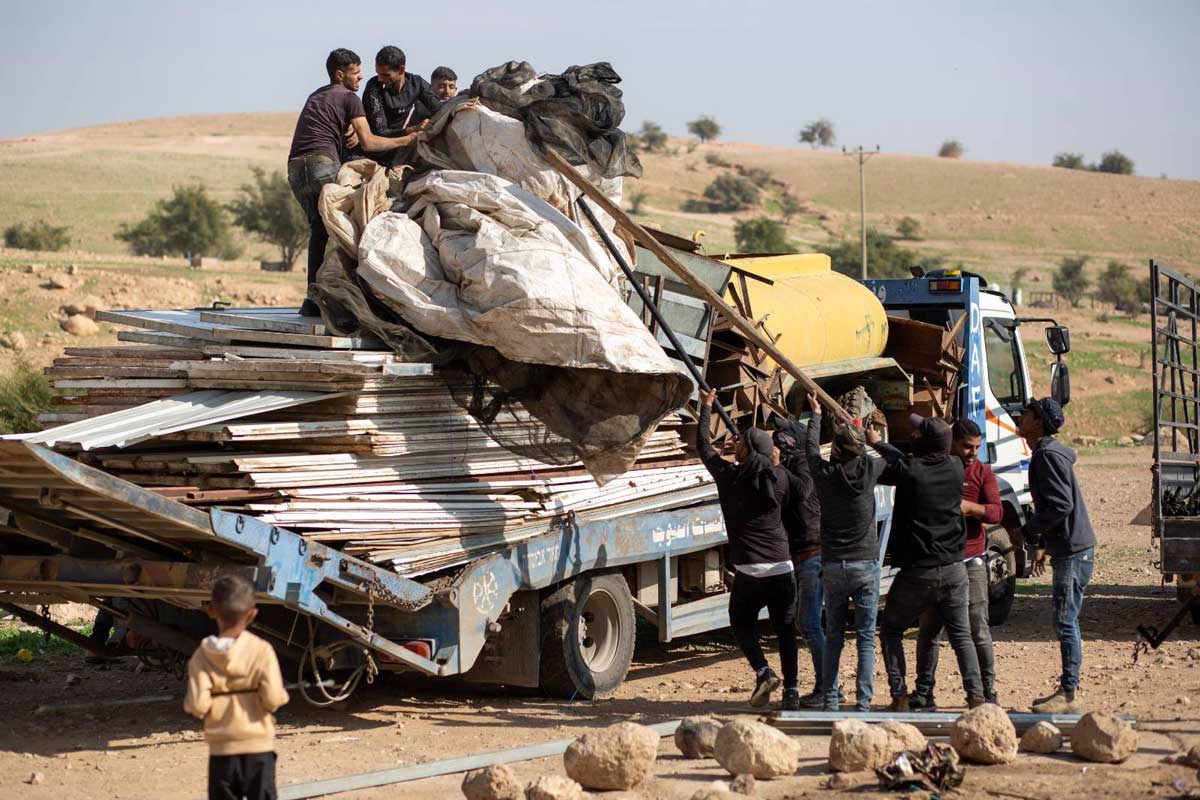
On Sunday, 25 January 2026, the three remaining families in Ras ‘Ein al-‘Auja, nine people in total, including three minors, loaded their belongings onto trucks and left the community that had been their home for decades. Ras ‘Ein al-‘Auja was the largest shepherding community in the West Bank. Earlier that same month, it still had 620 residents, including 318 minors, belonging to 121 families. It was also the last surviving shepherding community in the southern Jordan Valley after the forcible transfer of al-Mu‘arrajat was completed in July 2025.
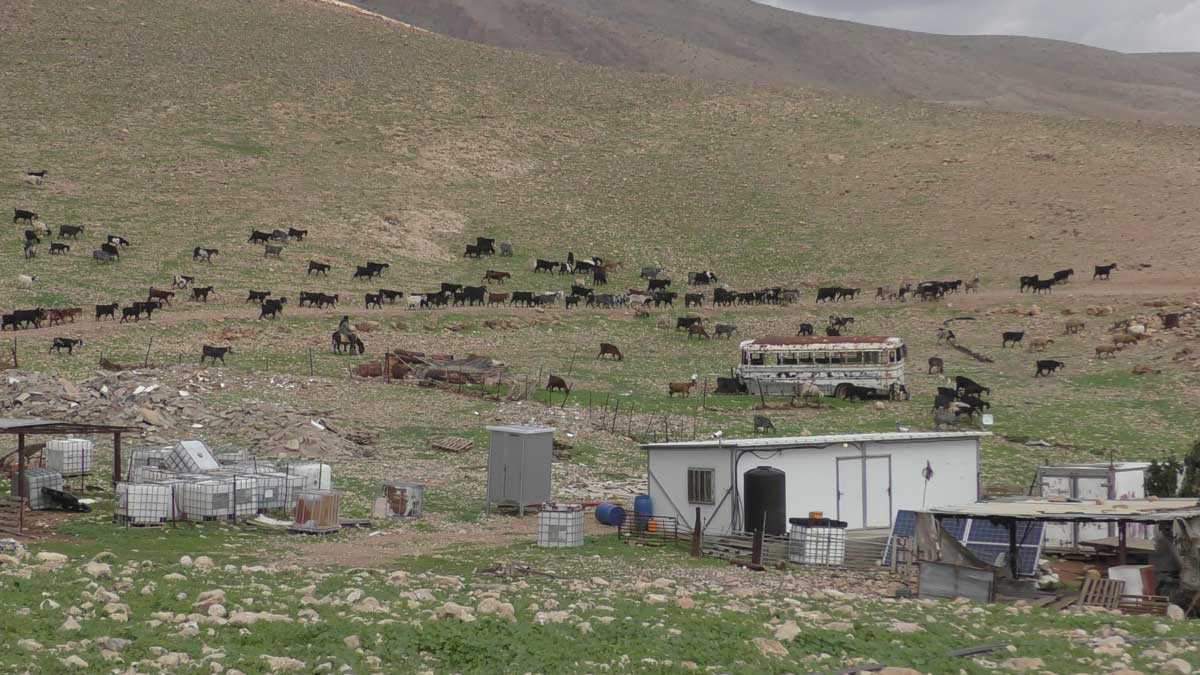
On Thursday, 8 January 2026, the families whose homes were closest to the most recent outpost established in the area began packing their belongings and vacating the homes they had lived in for decades. The next day, families living a little farther from the outpost began leaving as well, as they no longer had anything separating them from the settlers. All the while, settlers wandered around the community with their livestock, and on Saturday, 10 January 2025, even brought goats into the village mosque.
The gradual departure from the community continued over the next 16 days, with some families forced to sell their livestock because they could not find a place that could accommodate them. Eventually, no one was left in the community.
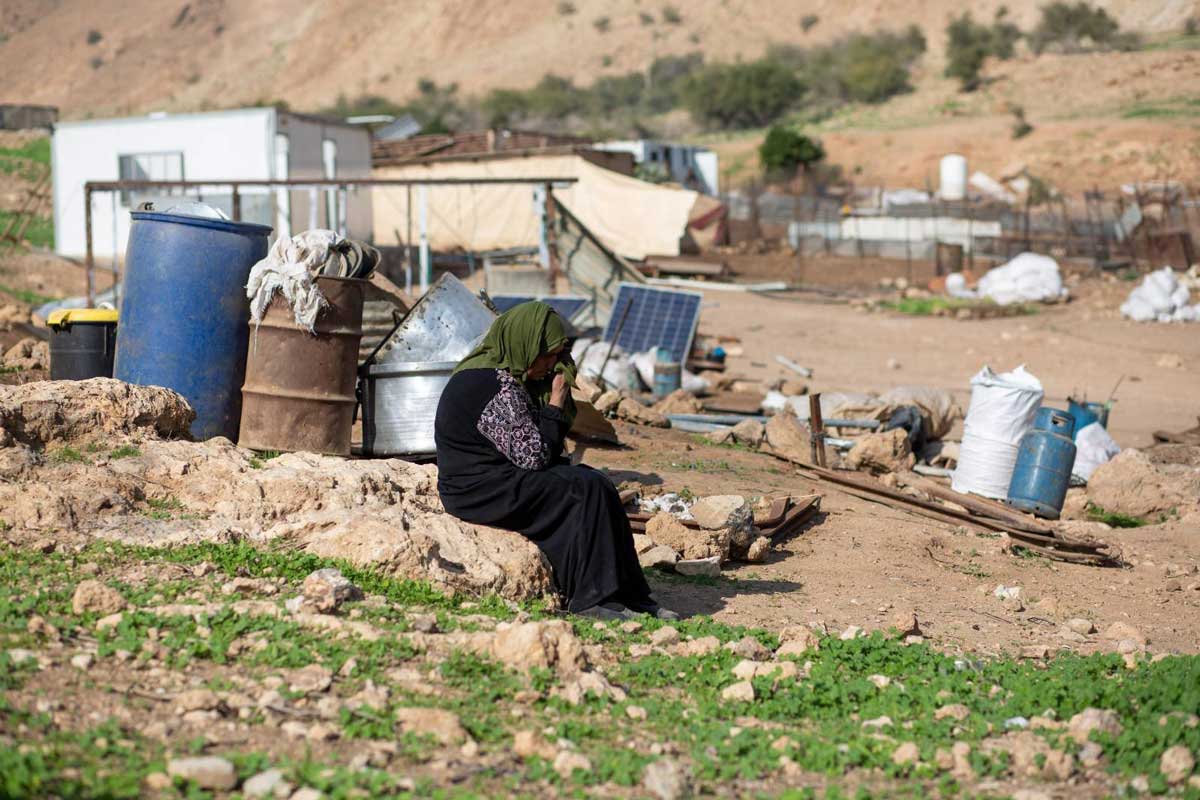
The community has been suffering from increasing settler violence ever since October 2023, with daily attacks backed by the military. Settlers brought sheep, goats and camels into the community, physically assaulted residents, stole livestock, including the theft of some 1,500 sheep and goats in March 2025, and vandalized and stole other property. In addition, settlers established outposts near the community, most recently on Wednesday, 31 December 2025. This last outpost consists of a shed set up some 300–400 meters away from residents’ homes, to which settlers transferred livestock from nearby outposts established earlier.
On 16 March 2025, six community residents filed a petition with the Israeli High Court of Justice, via counsel, Adv. Shlomo Lecker, seeking orders against the military, the Civil Administration, the Binyamin police and a settler by the name of Avishai Horovitz, who established an outpost nearby. The petitioners asked the court to issue a closed military zone order that would prevent Israelis from entering their residential compound, to protect them from invasions, theft, threats, denied access to grazing and violence perpetrated by settlers from nearby outposts and settlements; to issue demolition orders for an outpost established in December 2024–January 2025 and remove it, to halt the paving of the road from the outposts west of the community, which runs through privately owned Palestinian land and the residential area, and to investigate the theft of 1,500 sheep and goats on 7 March 2025.
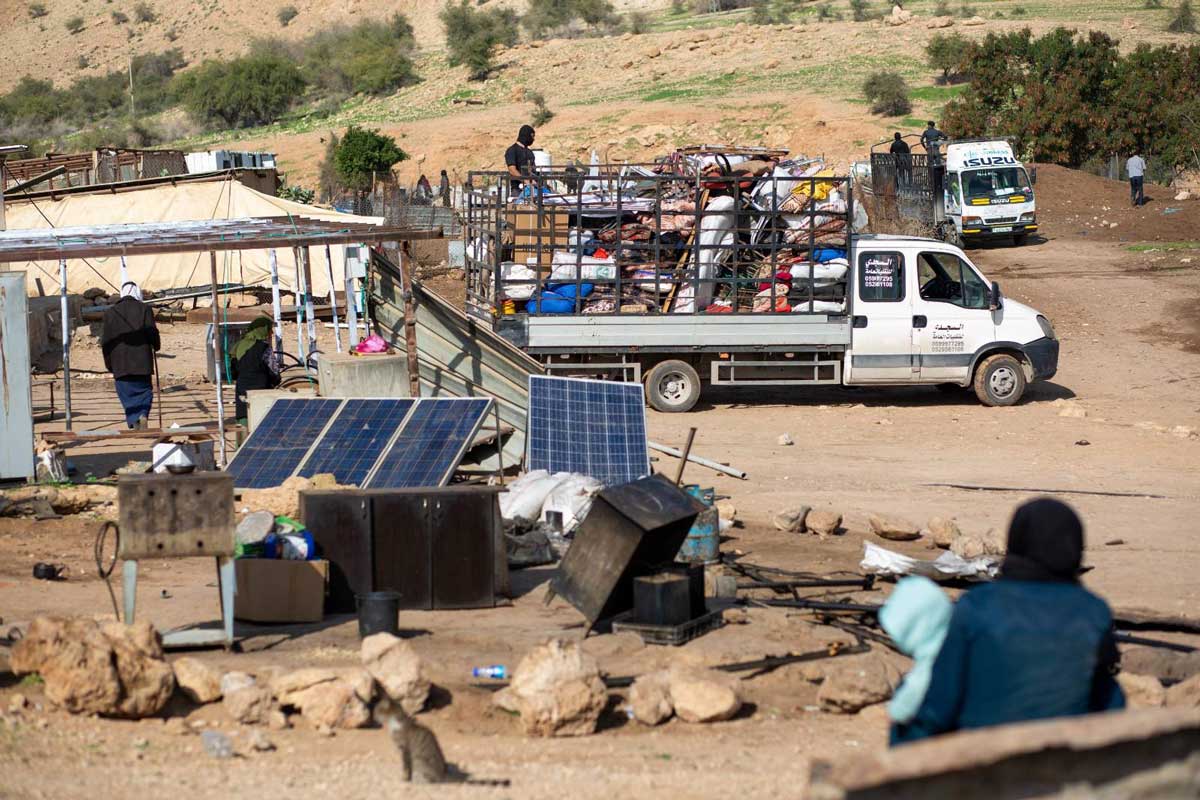
After repeated postponements, the court handed down its decision on 4 February 2026, about a week and a half after the last families left. In the decision, the High Court instructed the military, the Civil Administration and the police to “provide assistance” to the petitioners, with advance coordination, so they may return to live in a defined area in Ras ‘Ein al-‘Auja. Knowing full well that no one would help or protect them, the families did not return to the community.