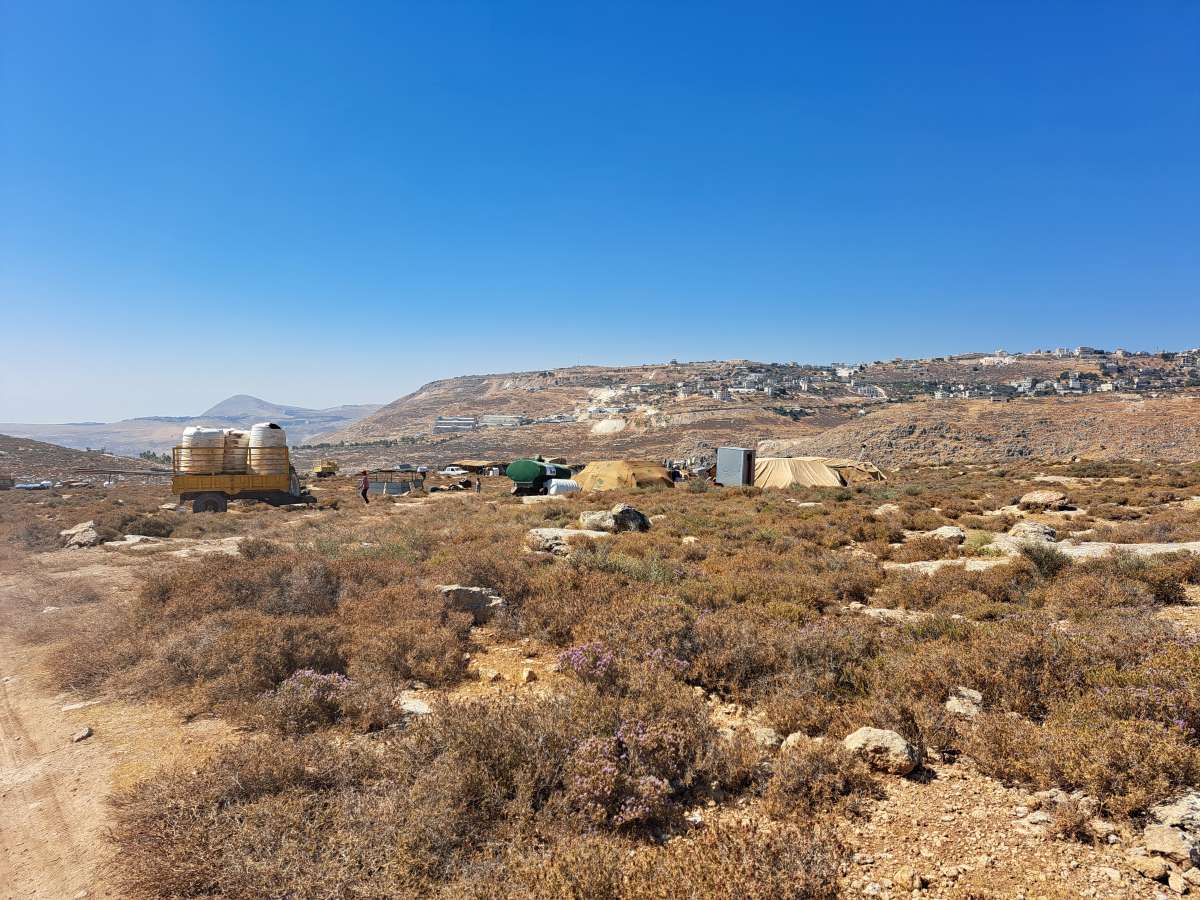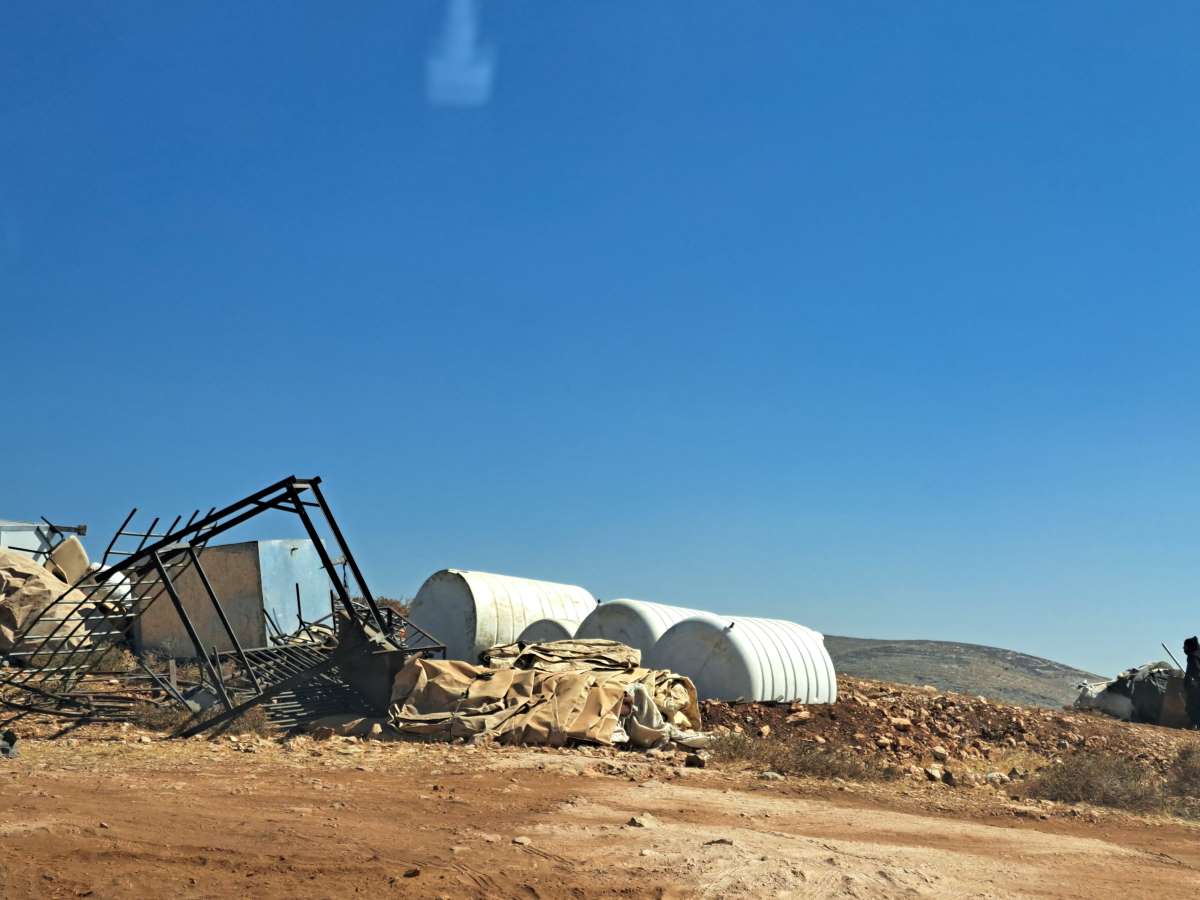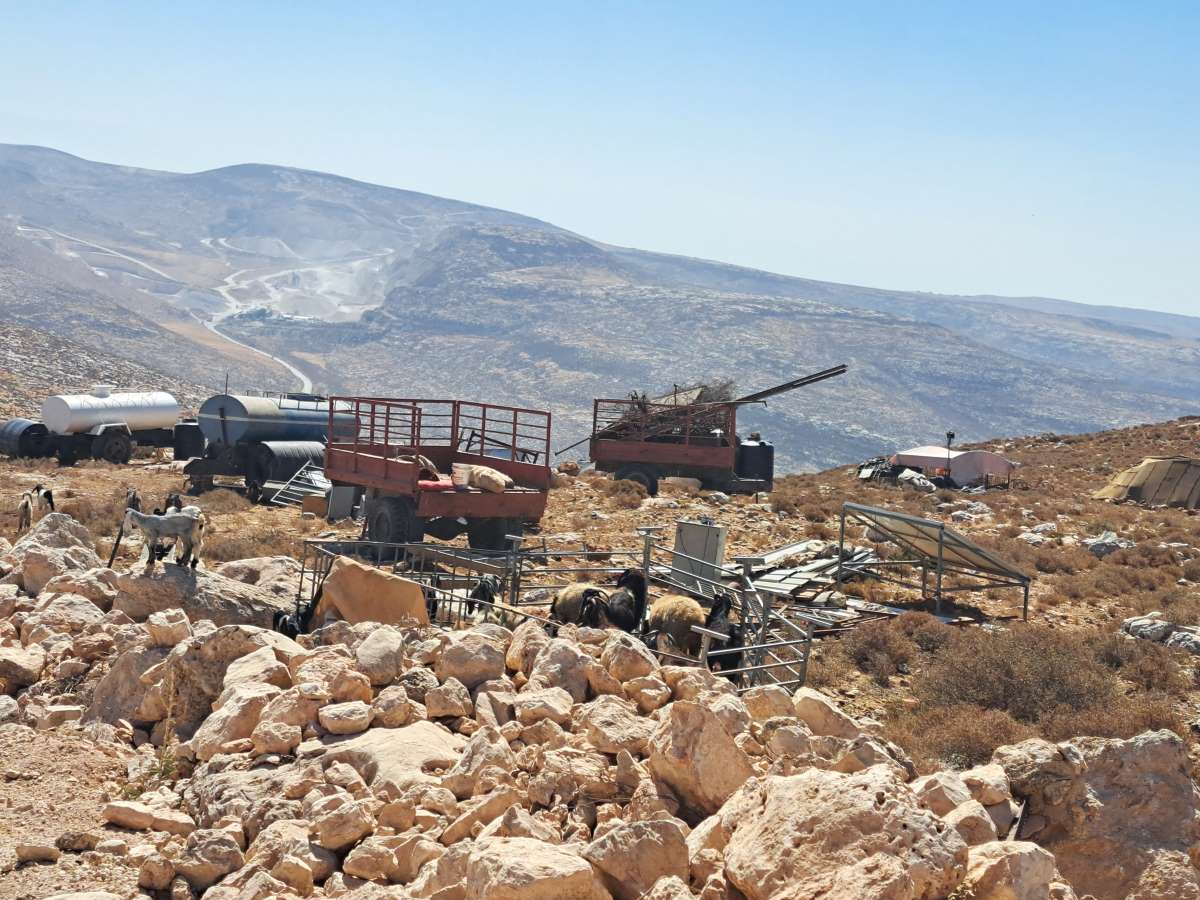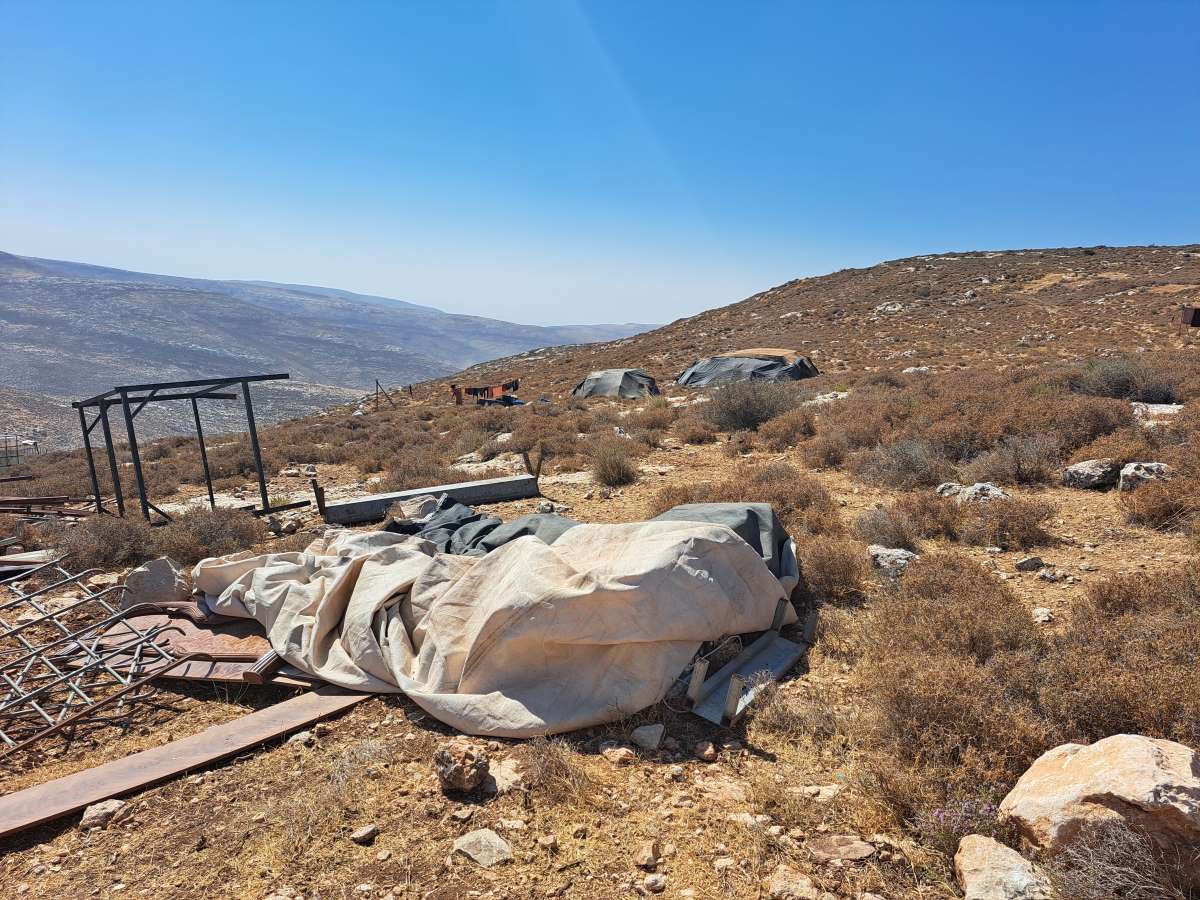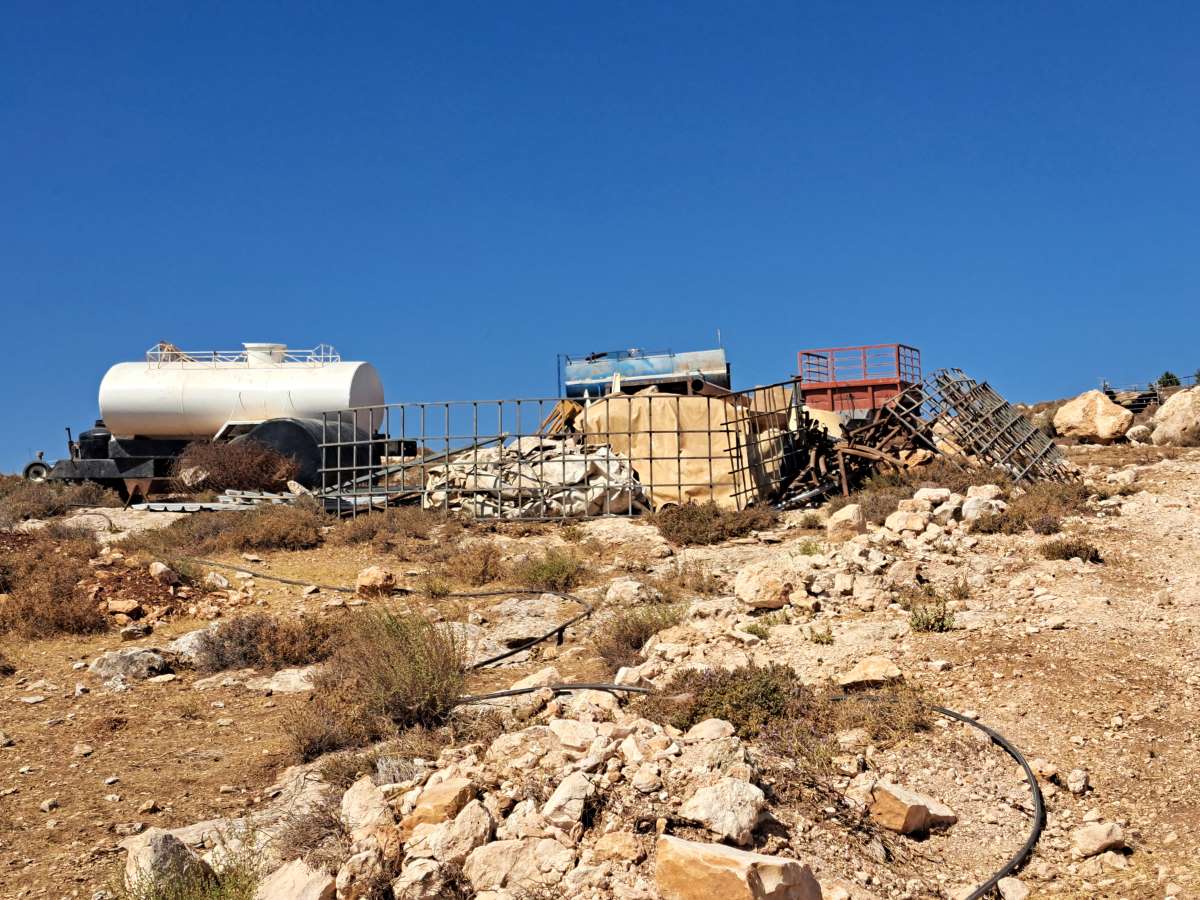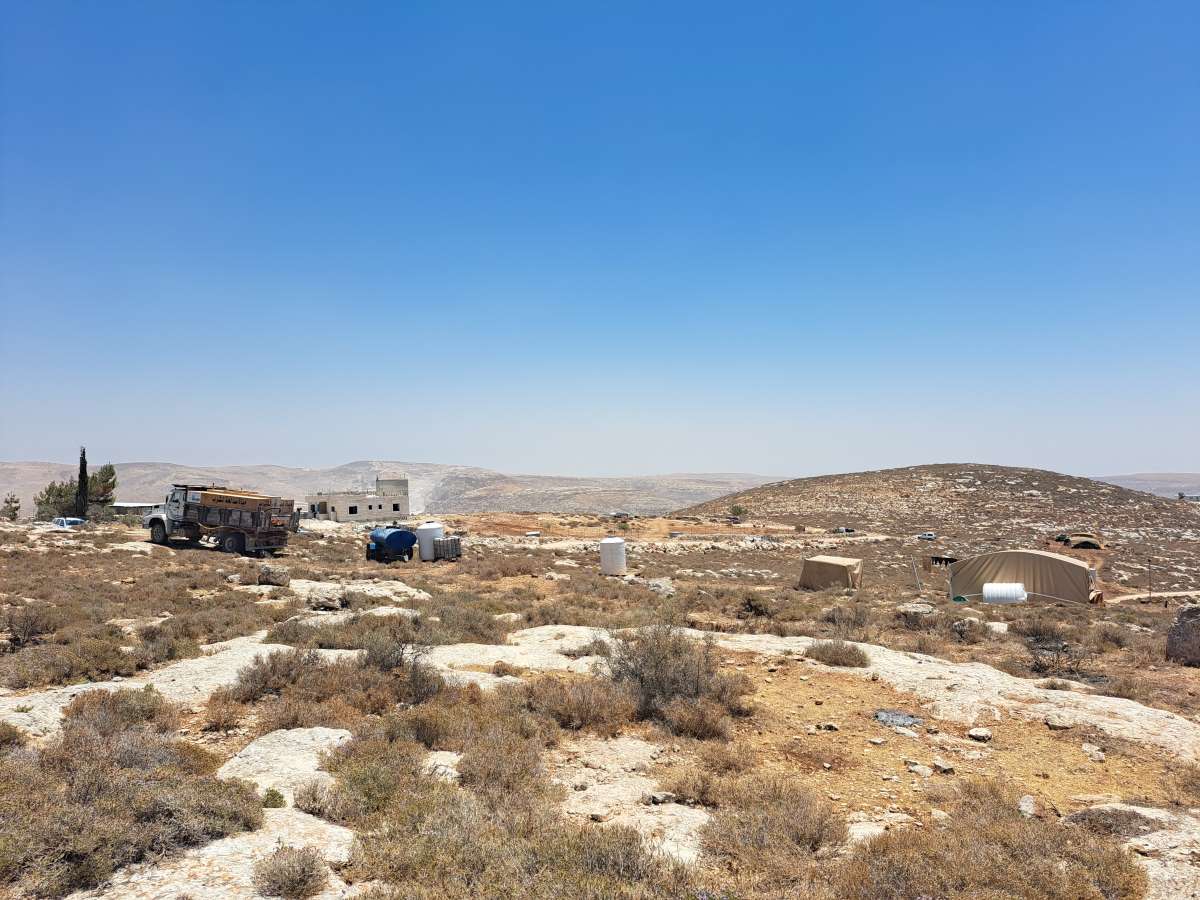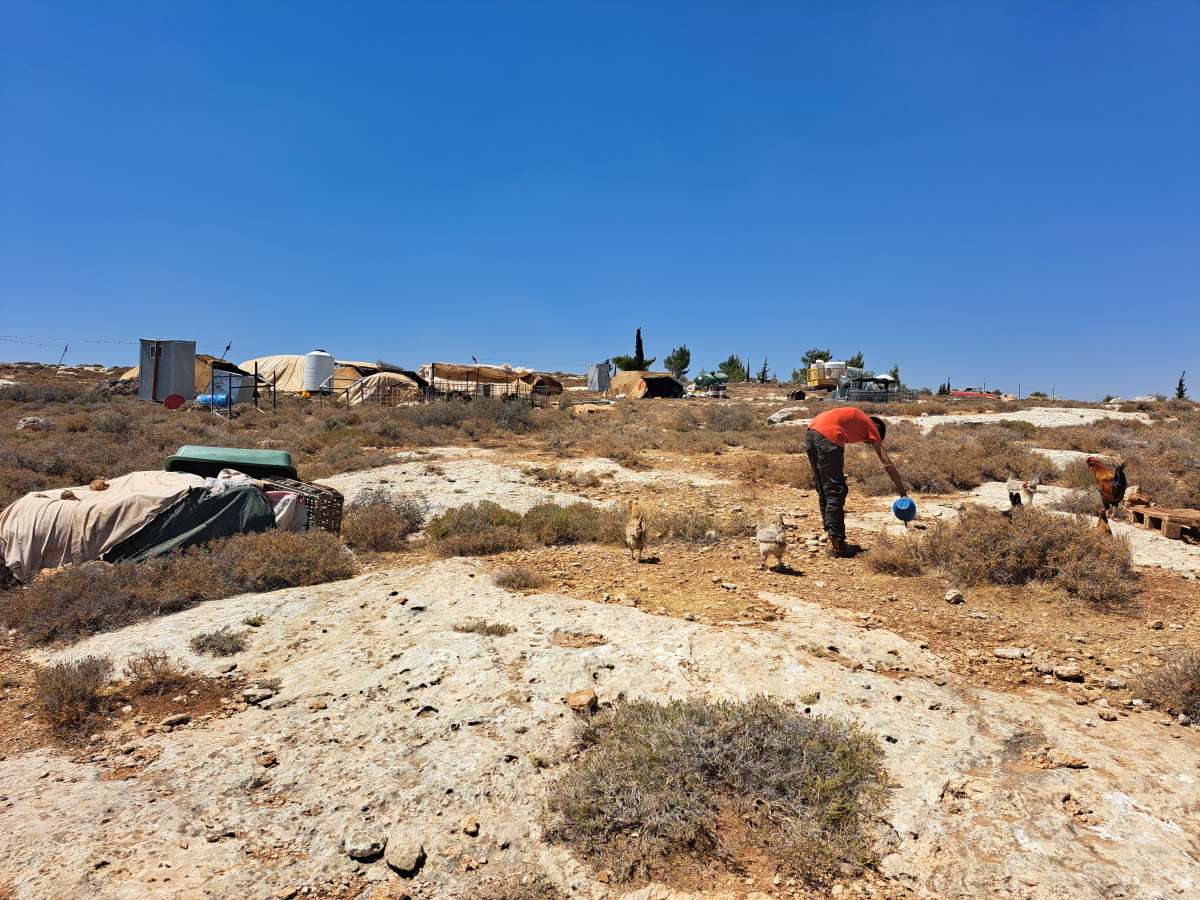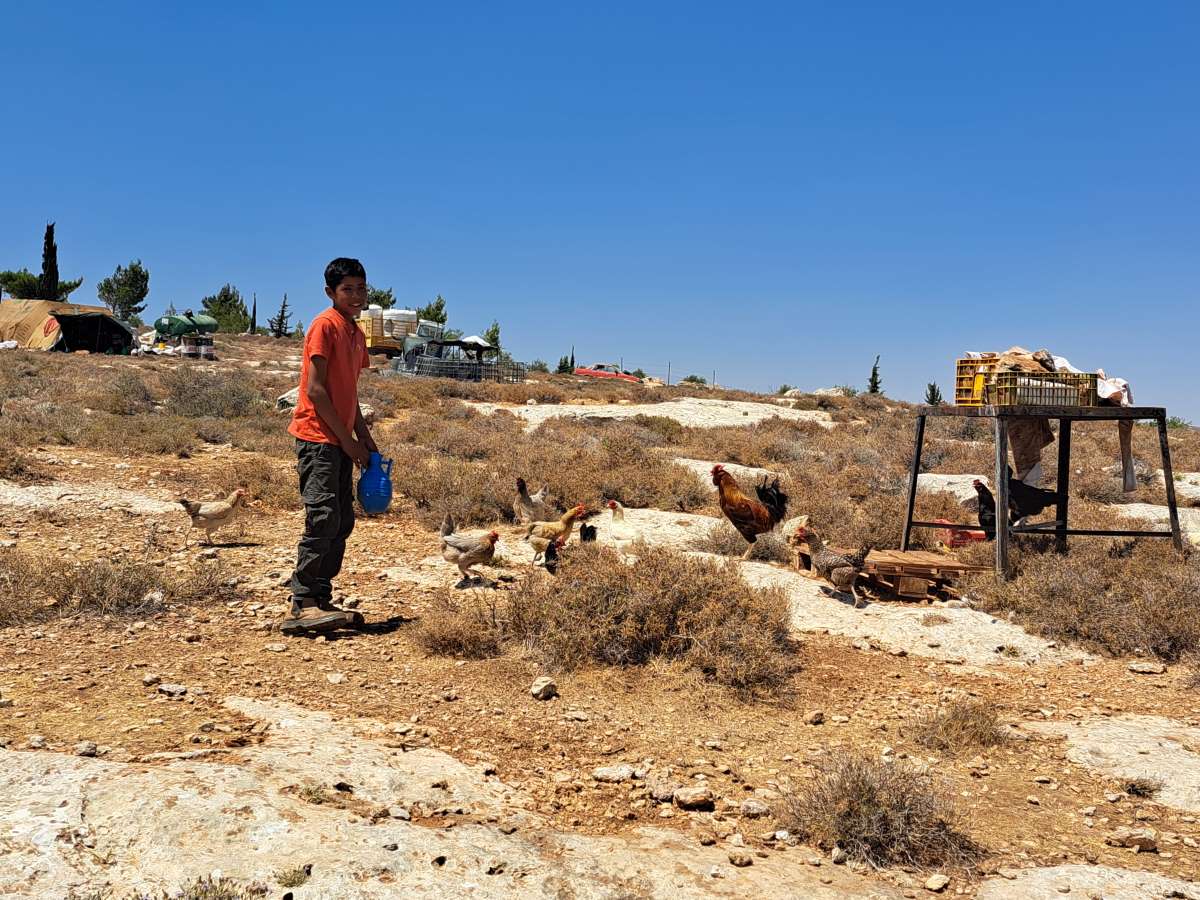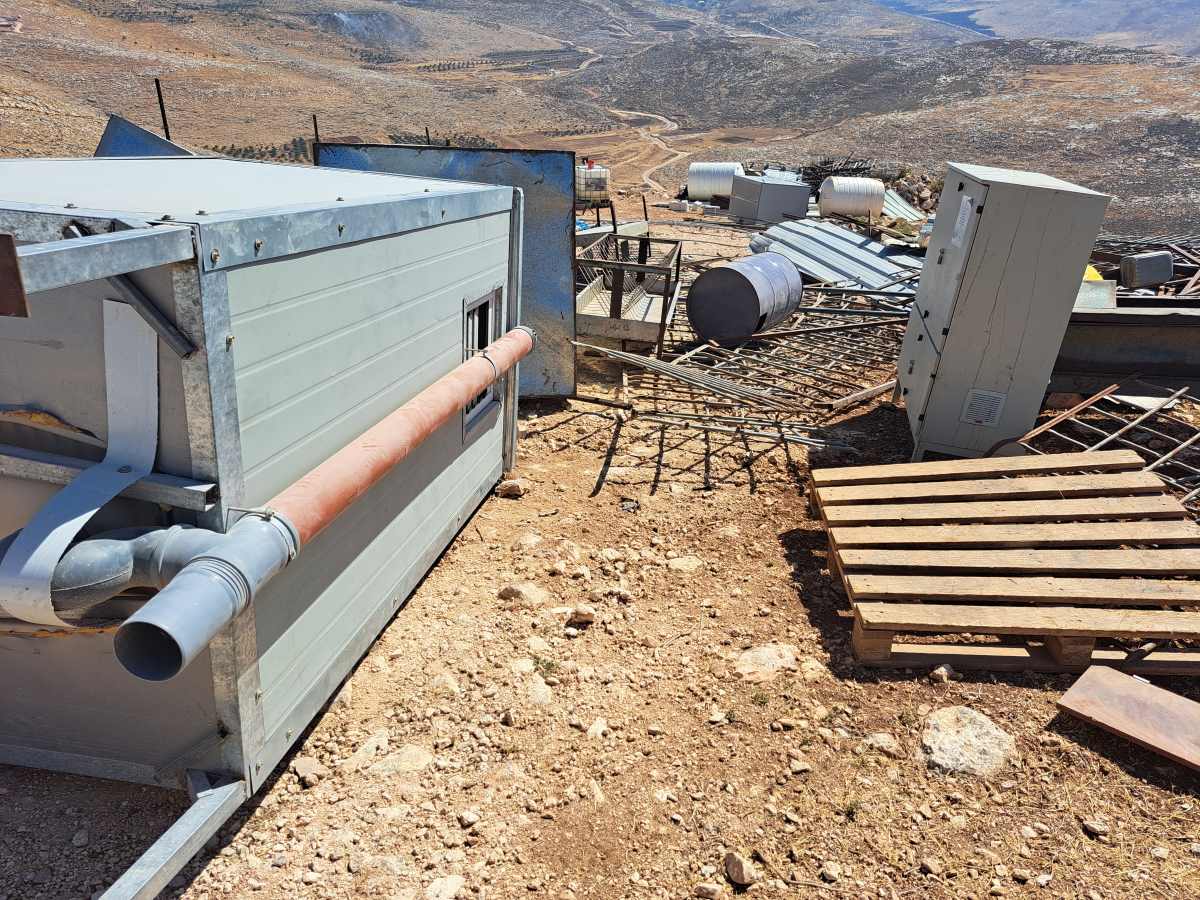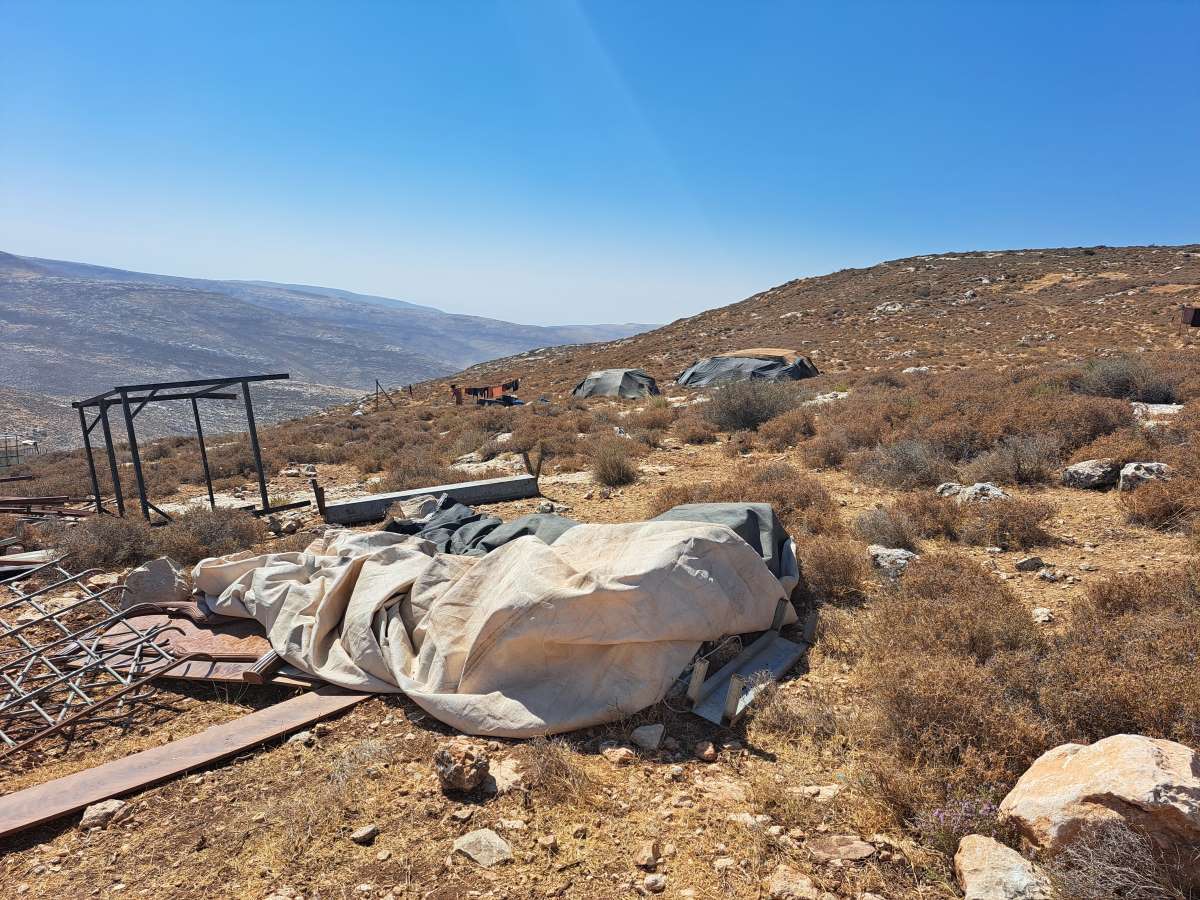
The community was established in the late 1960s by residents that Israel had expelled from the South Hebron Hills, on private lands owned by the residents of the villages of Kfar Malek and al-Mughayir. In 2020, about 120 people lived in the village and made a living by herding sheep. Over the next two years, additional seasonal herding communities were established near it, al-Kabun and Wadi a-Dahlia, and the total number of residents in these communities reached 280.
In 1975, the settlement of Kochav HaShahar was established nearby. Over the years, the residents of the community suffered harassment by Israeli authorities, including the demolition of the homes of six families in 2021. In 2018, the outpost "Micha's Farm" was established two kilometers away from the community. Since then, the members of the community have suffered from verbal abuse, harassment, theft, and vandalism of property.
In 2020, the residents of the community established a school for their children, who had until then been forced to walk a long distance to the schools in al-Mughayir, but the Civil Administration issued demolition orders that same year and confiscated equipment intended for the expansion of the school, including chairs used by the students, just four days after the beginning of the school year.
The violence increased in 2022 under the auspices of the military and, in the beginning of July of that year, the residents of the community decided to leave their place of residence after realizing that they would no longer be able to make a living from shepherding in this area and that their lives were in danger.
The dismantling of Ras a-Tin community. Photo by Iyad Hadad, B'Tselem, 18 July 2022: