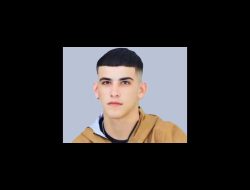
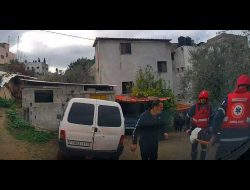
On Monday, 7 October 2024, Israeli soldiers and Border Police officers raided Qalandia Refugee Camp and surrounded it on all sides. Around midday, clashes erupted in the area of the street separating the camp from the neighborhood of Kafr ‘Aqab. Young men and children threw stones at the forces, who fired live shots and tear gas at them. At one point, the forces advanced into an alley where many of the youths had gathered and fatally shot 12-year-old Hatem Gheith. The military issued a statement claiming the troops fired after Palestinians “threw cement blocks and stones at the forces, endangering them,” and that they “confirmed hits.” However, according to a B’Tselem investigation, no blocks were thrown, and in any case, stones and blocks do not pose a real threat to soldiers or police officers inside armored vehicles. Moreover, Gheith was shot as he was running away far from the officers, with his back to them. The military’s statement suggests that, from its perspective, the killing of a 12-year-old child does not warrant special attention or an investigation.
A week later, on Monday, 14 October 2024, at midday, military and Border Police forces invaded the city of Jenin and the refugee camp and killed Mahmoud a-Rab, 23, an Islamic Jihad operative, during a fire exchange with him and other armed operatives. As a result of the large-scale raid, schools closed midday, and some students threw stones and improvised explosives at passing military jeeps. Among them was 14-year-old Rayan a-Sayed, who was fatally shot from inside one of the jeeps. The military did not mention Rayan’s killing in its statements on the raid.
A circle of stones marking the spot where 'Abdallah Hawash was shot dead. Photo: Salma a-Deb'i, B'Tselem
About a week later, on Tuesday, 22 October 2024, soldiers shot and killed 11-year-old ‘Abdallah Hawash who was throwing several stones, alone, at an armored jeep convoy that was driving by his home on its way out of Nablus. After media outlets published footage of the incident proving that there was no justification for the lethal shooting of the child, the military responded to a report by Haaretz journalist Gideon Levy stating: “Immediately after the event, a debriefing was conducted in the unit, as a result of which the soldier in question was suspended by his commanders from all operational activity until a decision is made in the case.”
Less than two weeks later, on Sunday, 3 November 2024, soldiers lying in ambush shot 14-year-old Naji Zama’arah and his friend who were throwing stones, apparently about 100 meters away towards Route 60, northeast of Halhul. The soldiers, who were on a “proactive mission,” opened fire at the two, hitting Zama’arah while his friend managed to escape. Zama’arah’s father testified that the soldiers told him they had been operating in the area due to incidents of stone-throwing.
The Israeli military’s open-fire regulations are not available to the public. However, various publications and statements by state representatives in legal proceedings over the years indicate that the guidelines are drafted in accordance with Israeli and international law regarding the use of lethal force. In practice, however, instead of restraining and limiting the use of lethal force, the regulations have become a tool for the military and soldiers on the ground to evade accountability and avoid criminal prosecution in the Israeli judicial system. For example, the regulations permit lethal fire only in the case of a “real and immediate” life-threatening situation, yet they leave the determination of what constitutes such a threat to the discretion of soldiers in the field. As a result, in most cases, soldiers can retroactively justify shootings by citing a subjective “sense of danger,” regardless of whether their life, or the lives of others, were actually in danger. Over time, this approach has also been validated by Israeli court rulings.
In many cases, including the killings of Hatem Gheith and Rayan a-Sayed, Israeli forces shoot and kill Palestinians, including children, who pose no real danger. Neither stones nor improvised explosives cause significant harm to the armored vehicles in which the forces are transported. Had ‘Abdallah Hawash’s killing not been documented, it is unlikely the soldier who killed him would have been suspended, and in any event he will not be criminally prosecuted. Also, in some cases, the military deliberately creates situations in which it can claim legal justification for shooting. Focusing on the exact moment the trigger is pulled allows the military to evade responsibility, even when minors are involved. For instance, in the case of Naji Zama’arah, soldiers allegedly saw him and his friend getting ready to throw stones and deliberately waited to “catch them in the act” in order to shoot in with supposed “legal justification”, instead of trying to arrest them or remove them with non-lethal measures and prevent the killing of a 14-year-old boy.
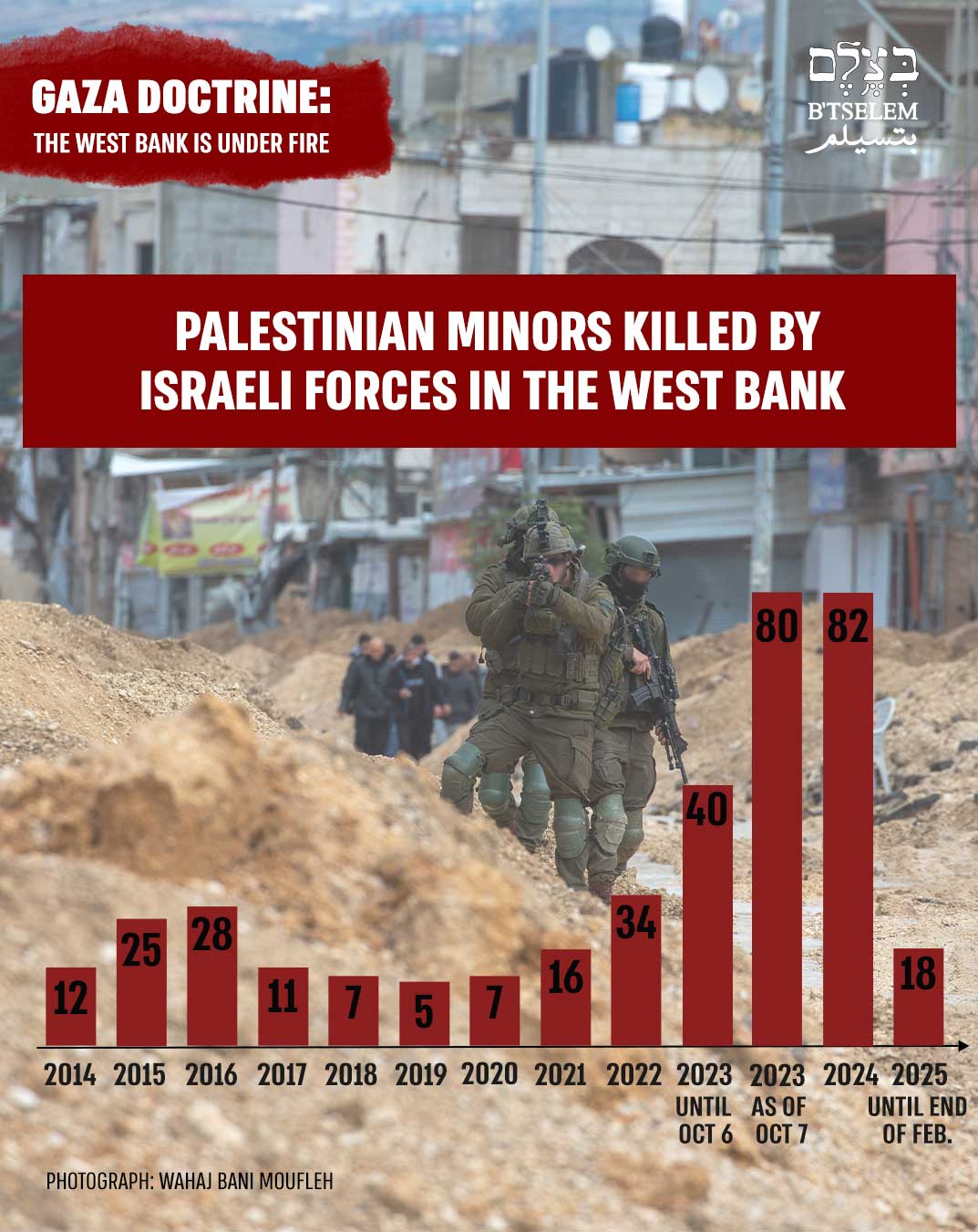
It is important to emphasize that these are not isolated incidents. Since the war in Gaza broke out, Israel has loosened its restrictions on the use of lethal force in the West Bank, deploying an increasingly deadly open-fire policy. From 7 October 2023 to 28 February 2025, Israeli forces killed 180 Palestinian minors in the West Bank, while five others were killed by an unknown Israeli party.* Past experience suggests that in the vast majority of instances, no one will be held accountable. A Yesh Din report that tracked criminal investigations against soldiers for killing Palestinians found that the military investigated fewer than 50% of such cases, and that the likelihood of an Israeli soldier being prosecuted for killing a Palestinian in the West Bank is just 0.4%. This statistic underscores the Israeli military’s complete disregard for Palestinian lives, including those of minors, and the ineffectiveness of both the military and civilian legal systems in preventing these deaths or holding perpetrators accountable. Under these conditions, there is little doubt that Palestinians’ lives—whether children or adults—will continue to be treated as expendable, and the killings will persist and even escalate.
*B’Tselem uses this classification for incidents in which Palestinians were killed after being shot by both Israeli forces and Israeli civilians, and it is not possible to determine whose gunfire is responsible for their death.
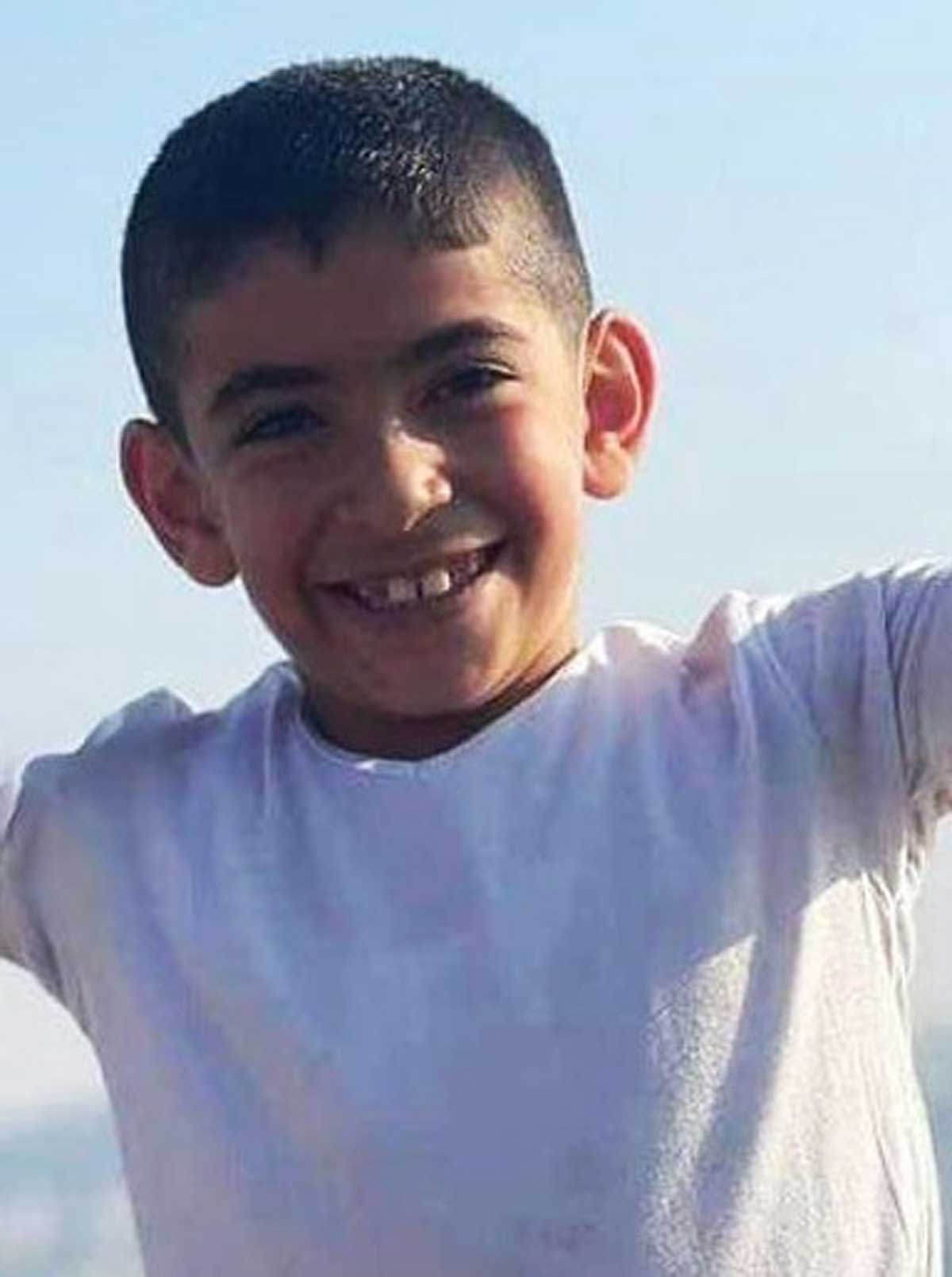
Killing of Hatem Gheith, 12, in Kafr ‘Aqab on 7 October 2024
Hatem Gheith
On Monday, 7 October 2024, at around 5:00 A.M., Israeli military forces, Border Police officers and intelligence officers in civilian clothing raided Qalandia Refugee Camp and the Kafr ‘Aqab neighborhood in northern Jerusalem. While most of the forces operated inside the camp, clashes also spread to the neighborhood, near the main road separating the two, which was blocked by the forces. At around 10:30 A.M., a confrontation broke out between approximately 100 young men and children, and the forces stationed on the main road.
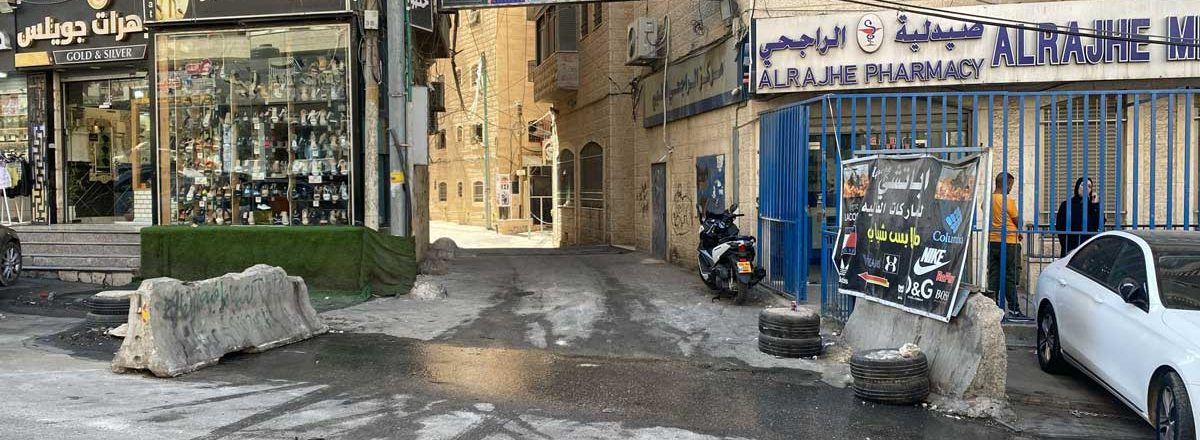
An army bulldozer accompanying the forces cleared the road of stones and burning tires, and then blocked the entrance to an alley where many of the young men had gathered. Shortly afterwards, two Border Police officers got out of their vehicle, approached the alley, and fired two live shots at the young men and children from a distance of 30–35 meters. One of the bullets struck Hatem Gheith, a 12-year-old boy, seriously wounding him.
In video footage of the shooting, Gheith is seen picking something up from the ground—likely a stone—and then running away with the other youths. He takes a few steps and is then hit by gunfire and falls to the ground. The youths carried Gheith to the far end of the alley, from where he was soon taken to the Palestine Medical Complex. There, doctors pronounced him dead around 11:30 A.M.
B’Tselem field researcher Mohammad Romaneh collected testimonies:
On 5 November 2024, K.H., who covered the clashes as part of his work as a journalist, testified:
On Monday morning, 7 October 2024, I was asleep at home in the a-Tira neighborhood of Ramallah. At around 9:00 A.M., I got a call from a colleague telling me that the Israeli army had launched a major raid in Qalandia Camp and Kafr ‘Aqab, north of Jerusalem. He asked me to go there and document the scene as part of my work as a photojournalist.
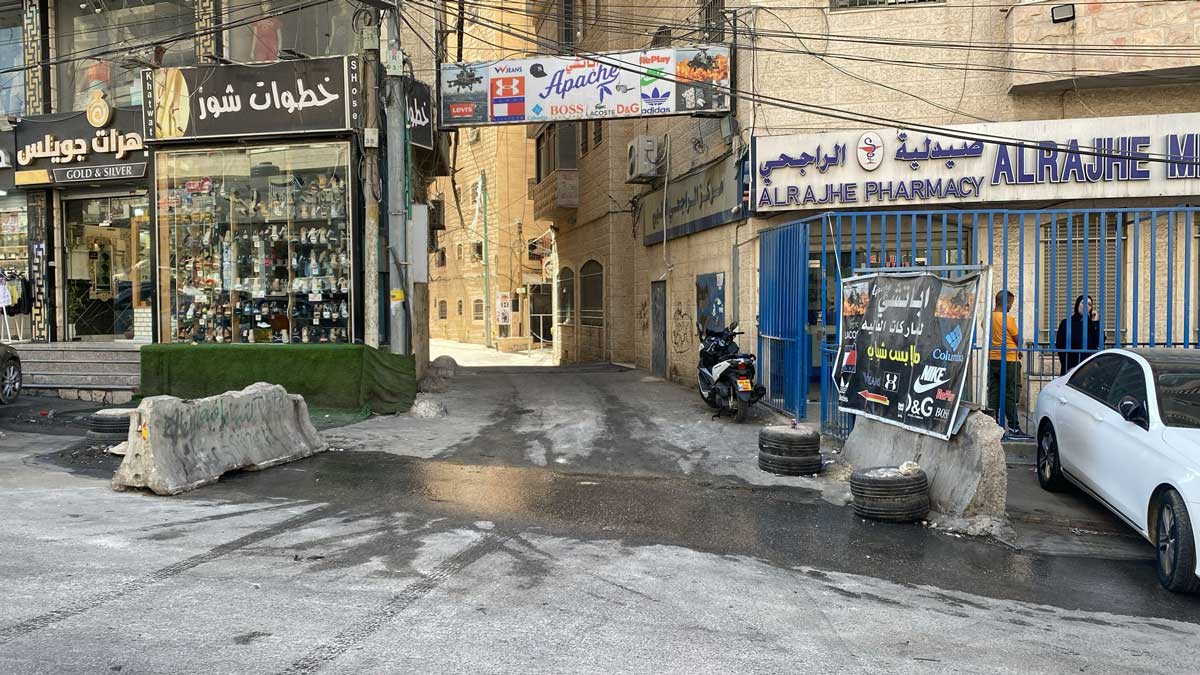
I arrived at the area at 9:45 A.M. and positioned myself at the Sekal roundabout. I saw two military vehicles parked about 100 meters away on the road leading to Ramallah, facing the roundabout. There was also an army bulldozer parked on the road leading to the Qalandia checkpoint, facing traffic and the Sekal roundabout. Around 100 Palestinian youths had gathered at the roundabout and in the nearby alleys of Kafr ‘Aqab.
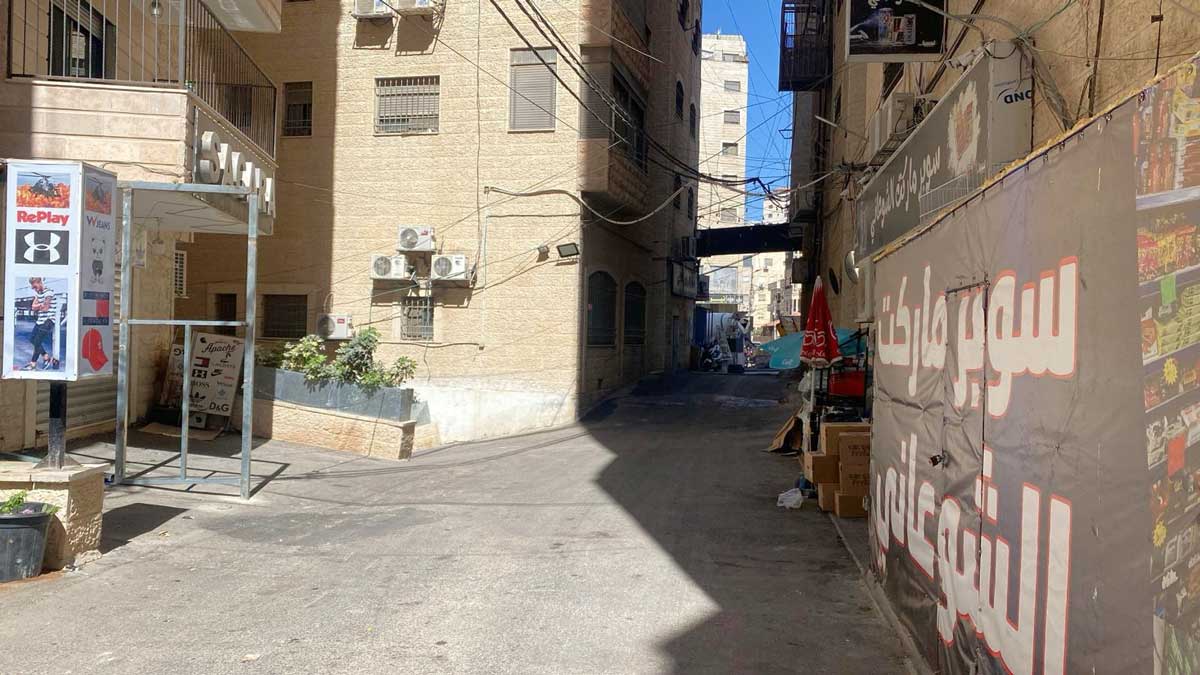
View from the place where Hatem Gheith was killed toward the street where the shooting officers stood. Photo: Mohammad Romaneh, B'Tselem
I set up my equipment and began documenting the Israeli forces at 10:05 A.M. The area was relatively quiet, and no soldiers were visible on the street. The young men had already set tires on fire on the roads. At 10:15 A.M., about six soldiers got out of the military vehicles on the street, and clashes erupted between them and the young men, who were about 100 meters away. The youths threw stones at the soldiers, who responded with tear gas, stun grenades, and rubber bullets.
This continued until 10:40 A.M., when the soldiers returned to their military vehicles. Then, two of the vehicles advanced toward the Sekal roundabout, where the young men were. They stopped about 25–30 meters away from the youths, who were hiding in alleyways and behind garbage bins. One of the vehicles had an automatic rifle mounted on its roof, and the other was equipped with a tear gas canister launcher. After a few minutes, the vehicle with the mounted rifle stopped about 30 meters from a-Rajhi Alley, where many young men had gathered, facing the alley.
A few minutes later, an army bulldozer entered the roundabout and cleared all the burning tires and stones from the street. Then it drove to the entrance to a-Rajhi Alley and stopped behind the jeep with the mounted rifle. Another military vehicle arrived and parked behind the bulldozer. At that point, two people got out of one of the vehicles and aimed their rifles at us. I think they were Border Police officers, based on their uniforms.
At 10:55 A.M., the two Border Police officers advanced toward the entrance to the a-Rajhi alley. I filmed them firing two bullets at the young men in the alley. I heard the young men screaming and realized one of them was hit. I couldn’t go there, because I was afraid the officers would shoot me, too. After all, they already pointed their weapons at us.
On 7 October 2024, a young man who was near Hatem Gheith when he was shot testified:
A little before 11:00 A.M., I was in the Kafr ‘Aqab neighborhood. At that time, the neighborhood and the Qalandia camp were surrounded by Israeli forces who raided the area early that morning. There were Border Police and soldiers there, with military vehicles and a military bulldozer. We were several dozen guys there, I think between 30 and 50. Some of them they guys threw stones at the forces who were on the main road, about 25–30 meters away, and they responded with stun grenades and tear gas.
The military bulldozer came towards us. Behind it were soldiers or Border Police officers, I’m not sure how many. As soon as the bulldozer reached the entrance to a-Rajhi alley, two members of the forces came out from behind it and started randomly shooting at us from about 30 meters away.
View from the place where Hatem Gheith was killed toward the street where the shooting officers stood. Photo: Mohammad Romaneh, B'Tselem
I sheltered in the corner of a building and then I saw a boy fall to the ground. Right after that, the soldiers moved back so we were no longer in their line of sight. That meant I could go over to the kid, who was about five meters away from me. When I reached him, I saw he was wounded in the stomach, with some of his intestines spilling out.
We put him right away in a private car nearby, while I called an ambulance. We drove him about 100 meters in the car and then transferred him to an ambulance, which took him to the Palestine Medical Center. I later found out through social media that the boy was called Hatem Gheith and he was 12 years old. Around 11:30 A.M., I learned he was dead from his injuries.
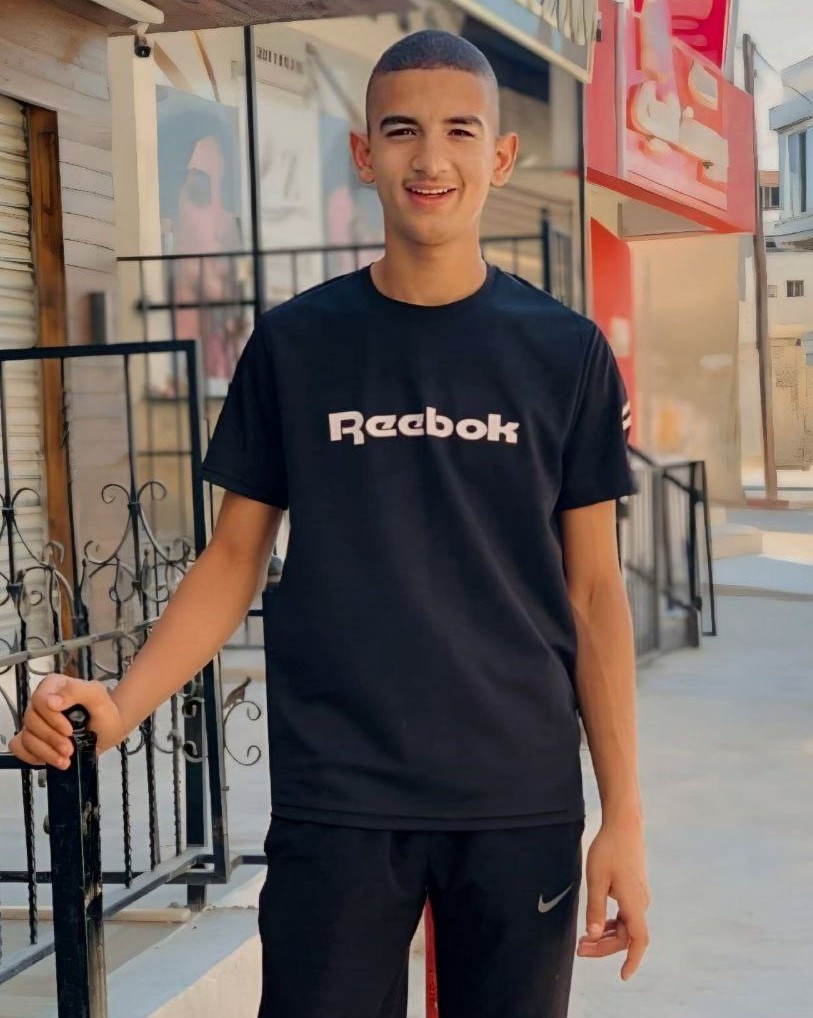
Killing of Rayan a-Sayed, 14, in Jenin Refugee Camp on 4 October 2024
Rayan a-Sayed
On Monday, 14 October 2024, at around 11:00 A.M., Israeli military and Border Police forces raided Jenin—both the city and the refugee camp. The forces joined a special unit that was already present and surrounded a house where Palestinian operatives were barricaded. After an exchange of fire in the a-Sibat neighborhood in the city, including the use of shoulder-fired missiles and demolition by a military bulldozer, the forces killed Mahmoud Abu a-Rab, 23, an Islamic Jihad military wing operative, and arrested three other Palestinians.
Due to the large number of forces in the city in the middle of the day, students were sent home to prevent getting stuck in schools, should the raid belong. Five or six children from a group of about 20 students threw stones and improvised explosives at two armored military vehicles that passed about 15–20 meters away from. One of the children was Rayan a-Sayed, 14, who lived in the city. One of the jeeps stopped on the street, and a soldier inside fired several shots, hitting a-Sayed in the upper body. Residents took him to the hospital, where he was pronounced dead.
On 10 November 2024, Mahmoud Darbi, 24, provided the following testimony to B’Tselem researcher Abdulkarim Sadi:
At around 11:00 A.M., Israeli forces suddenly raided the city of Jenin and the refugee camp. The army jeeps came in from the direction of al-Jalameh camp and Route 60, and drove through the central market towards Jenin camp. The schools were scared the raid would last a while and sent the students home.
Around 11:30 A.M., a group of students gathered near a parking lot close to the sports club, near the road that branches off from Route 60. Just then, army jeeps were coming from the direction of the cinema roundabout, and the students began throwing stones and IEDs at them.
Rayan a-Sayed was bolder than the others, and even though I warned him to stay away from the jeeps’ route, he threw stones and an IED. Just then, I saw an army jeep stop, and then four shots were fired from inside it. Rayan was hit and fell down. The army jeeps continued driving.
I went with some guys to pick up Rayan and we carried him through the alleyways of the old city to a-Razi Hospital, about 400 meters away from where he was shot. Later, the doctors announced that he was dead.
Killing of ‘Abdallah Hawash, 11, in Nablus on 22 October 2024
'Abdallah Hawash
On Tuesday, 22 October 2024, around midday, after he got home from school, 11-year-old ‘Abdallah Hawash went outside to play and ride his bicycle. After some time, he returned home and then went back out to the street. Around the same time, a special Israeli military unit raided the old city of Nablus, about 900 meters from his home, and arrested a young man. The detainee was placed in a military jeep, and as the forces were leaving the area, a fire exchange broke out between them and Palestinian gunmen.
At approximately 5:15 P.M., the convoy of military vehicles near a-Tur Street, where Hawash lived, on its way out of the city. A few teenagers threw stones at the convoy from a nearby street. The soldiers fired at them while driving but did not hit anyone. The convoy then reached a-Tur Street, where Hawash was. Video footage shows him throwing two stones at the armored vehicles, and each time running to hide behind a parked car. Then, as the last jeep passes, he steps out from his hiding place to throw a third stone. Just as he raises his hand, a single bullet is fired at him from inside the moving jeep. He is hit and falls down.
Residents drove Hawash in a private car to a hospital in Nablus, where doctors attempted to resuscitate him but pronounced him dead.
B’Tselem field researcher Salma a-Deb’i collected testimonies:
On 23 October 2024, Muhammad Hijab, 41, a father of four testified:
At around 5:00 P.M., while I was at my barbershop on a-Tur Street, I saw five Israeli army jeeps approaching from the direction of a military base and heading towards the old city. Five minutes later, I saw two more jeeps passing through the street towards the city center. Later, I learned through social media that special forces were operating in the old city and had arrested someone there.
Fifteen minutes later, I heard gunfire nearby. I stood at the entrance of my barbershop, and the sound of shooting was extremely close. When I realized the army was coming my way from the old city, I went inside to avoid being hit. I saw five military jeeps drive by, and just as they passed my shop, I heard a single gunshot. Immediately after that, I heard screaming and someone shouting, ‘They shot a child! They shot a child!’ When I stepped out of the shop, I saw residents carrying a small boy, putting him into a private car, and driving him to the hospital.
Later, the mosques announced through their loudspeakers that the child had been killed. I felt deep sadness—he was just a little boy who did nothing to justify being shot. I saw a video that shows him throwing a stone at one of the jeeps, but what could a stone possibly do to an armored military jeep?
On 28 October 2024, ‘Abdallah’s mother, Sujud Hawash, 32, a mother of five, testified:
My children were playing outside that afternoon. At some point, my sister-in-law, who was at our house, went to call them back inside but couldn’t find them. Then she called me and said people were saying a child had been shot in the street, and she was afraid it was ‘Abdallah. When I heard that, I fainted—I didn’t want to believe it. I woke up when my mother-in-law poured water on my face.
Then my brother called and told me that ‘Abdallah had been injured but told me not to worry and that he would be fine. Meanwhile, I learned that my husband was already on his way to the hospital. I was terrified—I had a feeling that ‘Abdallah was killed, that I’d lost my son. I called my mother to come take care of my other kids. She came immediately, and my brother-in-law took me to the hospital.
On the way, I tried to call my husband and my brother Nasser, but neither of them answered, which made me even more anxious. When I got to the hospital, I saw the doctors trying to resuscitate ‘Abdallah, but it was clear they were only doing it for our family’s sake—he already looked dead. One of his eyes was open, and he showed no signs of life. Still, when they officially told me he’d been killed, I went into shock and fainted again.
‘Abdallah was just an innocent little boy. He was deeply affected by the horrifying scenes from Gaza and the stories of children his age who were killed there. Now, I feel like I’m living in a nightmare. Our lives turned upside down in one second.
Killing of Naji Zama’arah, 14, near Route 60 in the Halhul area on 3 November 2024
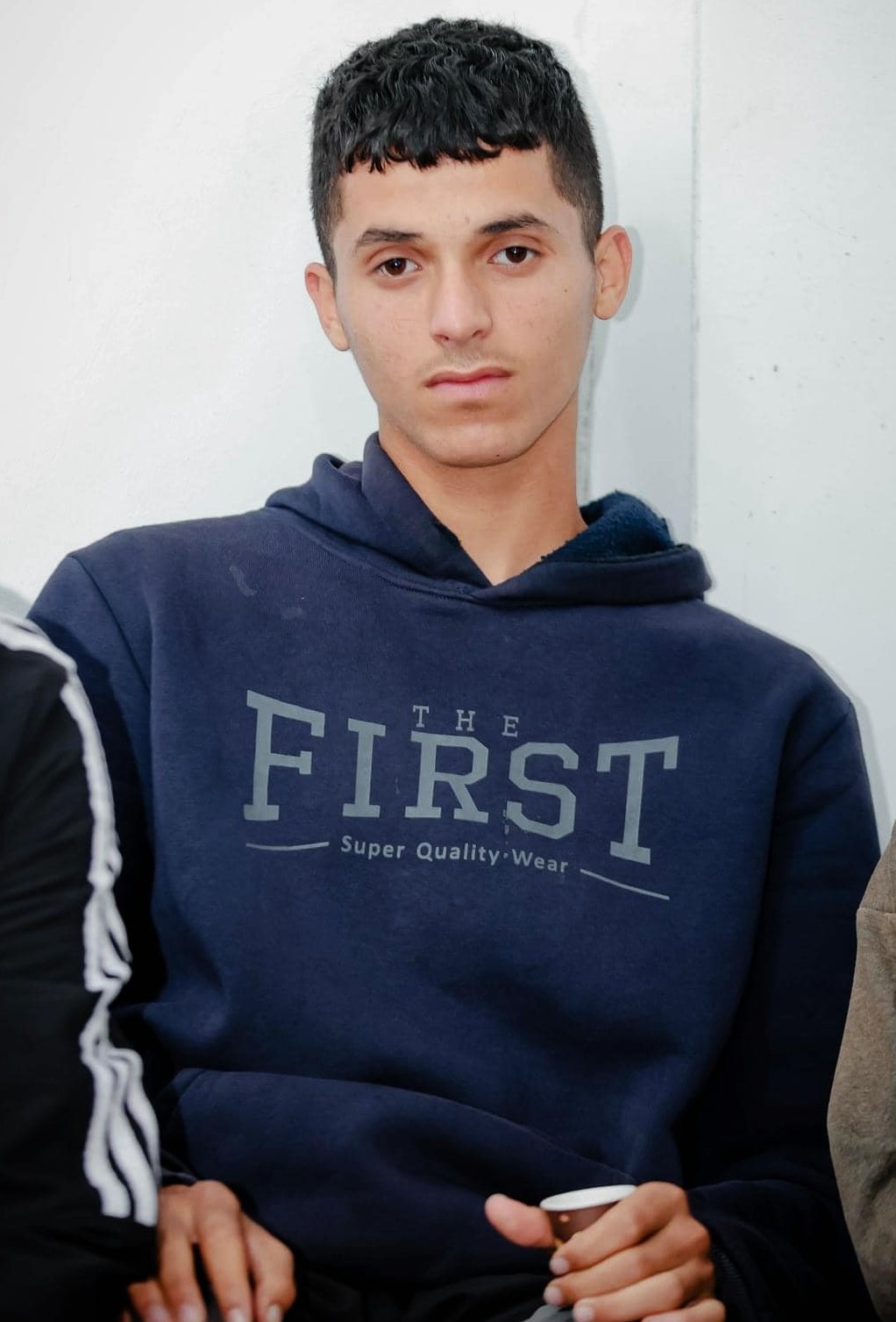
Naji Zama’arah
On Sunday, 3 November 2024, at around 3:30 P.M., Naji Zama’arah, 14, a resident of the city of Halhul, and his friend approached a hill northeast of Halhul overlooking Route 60. Soldiers had set up an ambush at the location and fired at the two while they were apparently about 100 meters from Route 60. Naji Zama’arah was hit, fell, and apparently died shortly afterwards, while his friend sustained light injuries and managed to escape.
Nidal Zama’arah, Naji’s father, heard that his son had been shot by soldiers and rushed to the scene with several relatives. However, the soldiers refused to let him approach his son. He saw soldiers carrying Naji’s body wrapped in a foil blanket, and when he tried to reach it, the soldiers struck him with a gun, knocked him to the ground, and broke his hand. Naji’s body was taken in a military vehicle to the “Gush Etzion junction”, where it was handed over to a Red Crescent ambulance.
Nidal Zama’arah, 47, a father of six, gave his testimony to B'Tselem field researcher Basel Adra on 5 November 2024:
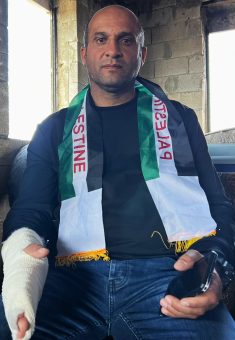
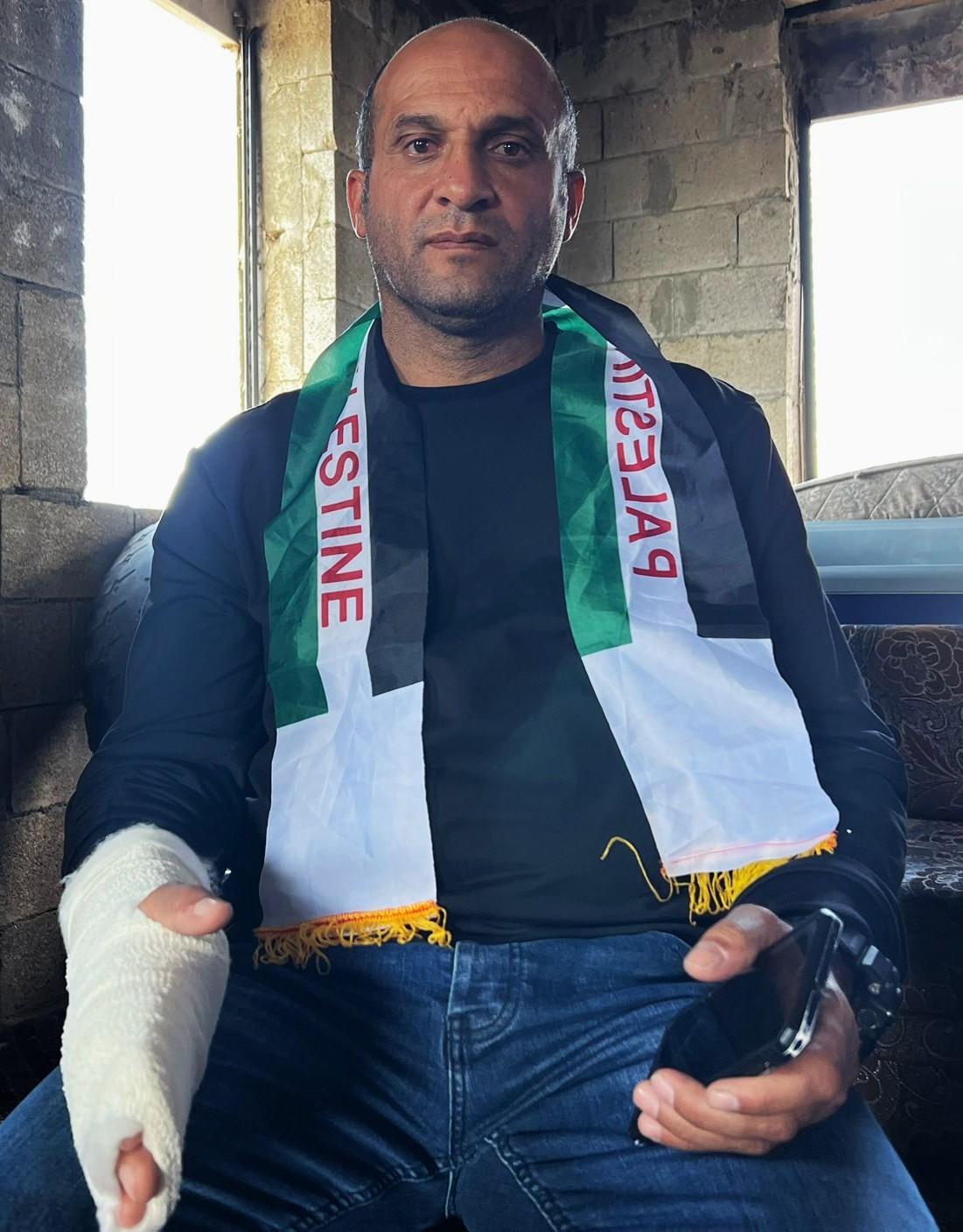
Nidal Zama’arah, Naji’s father, with his broken hand in a cast after being assaulted by soldiers. Photo: Basel Adra, B'Tselem
On Sunday, 3 November 2024, at around 4:00 P.M., while I was at home, residents of the neighborhood told me that my son Naji had been shot by soldiers in a grove north of Halhul.
I drove there with about 10 relatives in our cars. Near Route 60, there were a lot of military jeeps and dozens of soldiers. When I arrived, I started asking the soldiers what happened, but they refused to answer and prevented me from approaching the place where my son had been shot. After a few minutes, while I was standing near the soldiers, I saw around 10 other soldiers about 100 meters away carrying my son, who was wrapped in a foil cover.
I started walking towards them and shouting, "My son! My son!" but the soldiers near me hit me with their guns, knocked me to the road, and then one of them hit me on the head while another hit my hand with his gun. It hurt a lot, and later, when I went to a doctor at the hospital in Halhul, I found out my right hand was broken and they put it in a cast.
When I asked the soldiers, "Why did you shoot my son?" one officer answered, "Your son comes here every day and throws stones at the road. We’ve been tracking him for a week." But the place where my son was shot and killed is about 100 meters away from Route 60. I saw them carrying Naji away from that spot. It doesn’t make sense that he could throw stones and hit vehicles on the road from that distance—that's assuming I even want to believe what the officer said.
While I was on the ground, the soldiers put Naji in one of the military vehicles gathered by the road. They told the Red Crescent ambulance that arrived to follow them. Near Gush Etzion Junction, north of Halhul, the soldiers transferred my son’s body to the Red Crescent ambulance. When we heard that, we drove to Abu Mazen Hospital in Halhul, where the paramedics had brought Naji, lifeless. We left his body at the hospital and the next morning, we held a funeral and buried him.
Israel’s regime of apartheid and occupation is inextricably bound up in human rights violations. B’Tselem strives to end this regime, as that is the only way forward to a future in which human rights, democracy, liberty and equality are ensured to all people, both Palestinian and Israeli, living between the Jordan River and the Mediterranean Sea.
Since the Hamas attack on 7 October 2023, Israel has acted in a coordinated and deliberate manner to destroy Palestinian society in the Gaza Strip, committing genocide against its residents. In light of Israel’s actions in Gaza, the public statements made by Israeli decision-makers, and the international community’s failure to take effective action, there is a serious risk that the Israeli regime will expand the genocide to other areas under its control—first and foremost, the West Bank.
B’Tselem calls on the Israeli public and the international community to use every tool available under international law to bring an immediate end to Israel’s genocide against the Palestinian people.