A 46-year-old mother of five from Beit Lahiya, Almaza described the hardships of displacement, the harsh conditions in displacement camps and in the tent, the loss of her sister in a bombing and the particular difficulties women currently face in in Gaza:
Before the war, I lived with my husband, Ziad, 51, and our five children, Nur, 19, Qays, 18, Aya, 14, Nasmah, 12, and Bilal, 9, in the a-Salatin neighborhood in Beit Lahiya. Ziad worked as a farmer on family land, and I did office work for the Jabalya municipality and organizations like Islamic Relief and Save the Children.
In 2003, I discovered a lump in my breast. I had surgery to remove the lump, which turned out to be benign, thank God. I am under follow-up and go in for a checkup every six months, but since the beginning of the war, I’ve neglected the medical follow-up and haven’t done any tests.
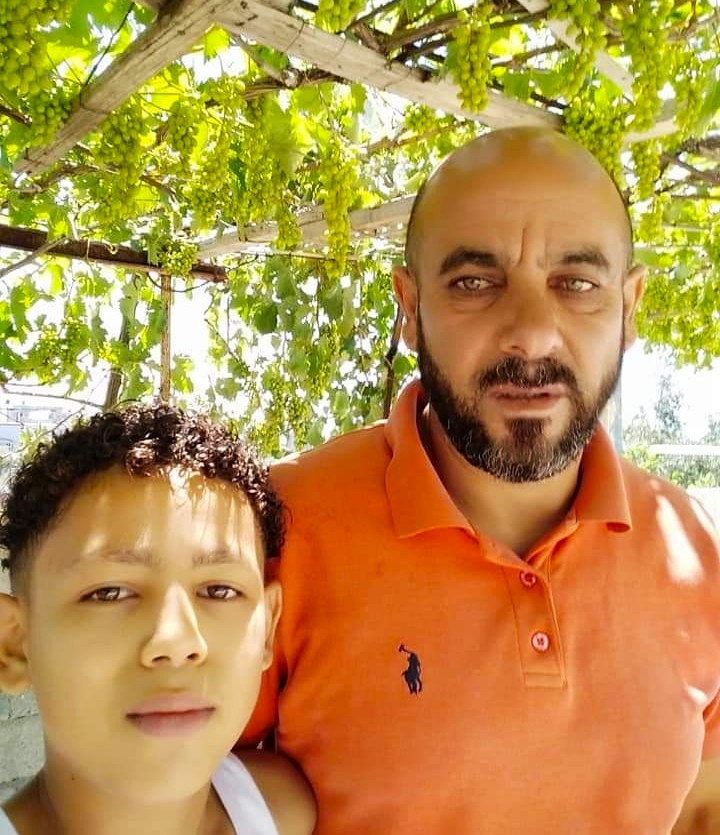
My husband has had cancer since 2007. In 2008, he had surgery in Egypt to remove a tumor in the thyroid gland, in the neck area. He also has an old injury in his left leg from platinum fragments that penetrated it in an accident he had in 2012. Despite the health problems, we had a good life. I used to get up in the morning and eat breakfast with my children before they went off to school, and when they came back, we’d eat lunch together too, and I’d help them with their homework. In the evenings, we spent time together, and the whole family would eat together. During Ramadan and on holidays, we would see our families, and there was an atmosphere of happiness and joy. When my parents visited us, they always felt like they were on vacation.
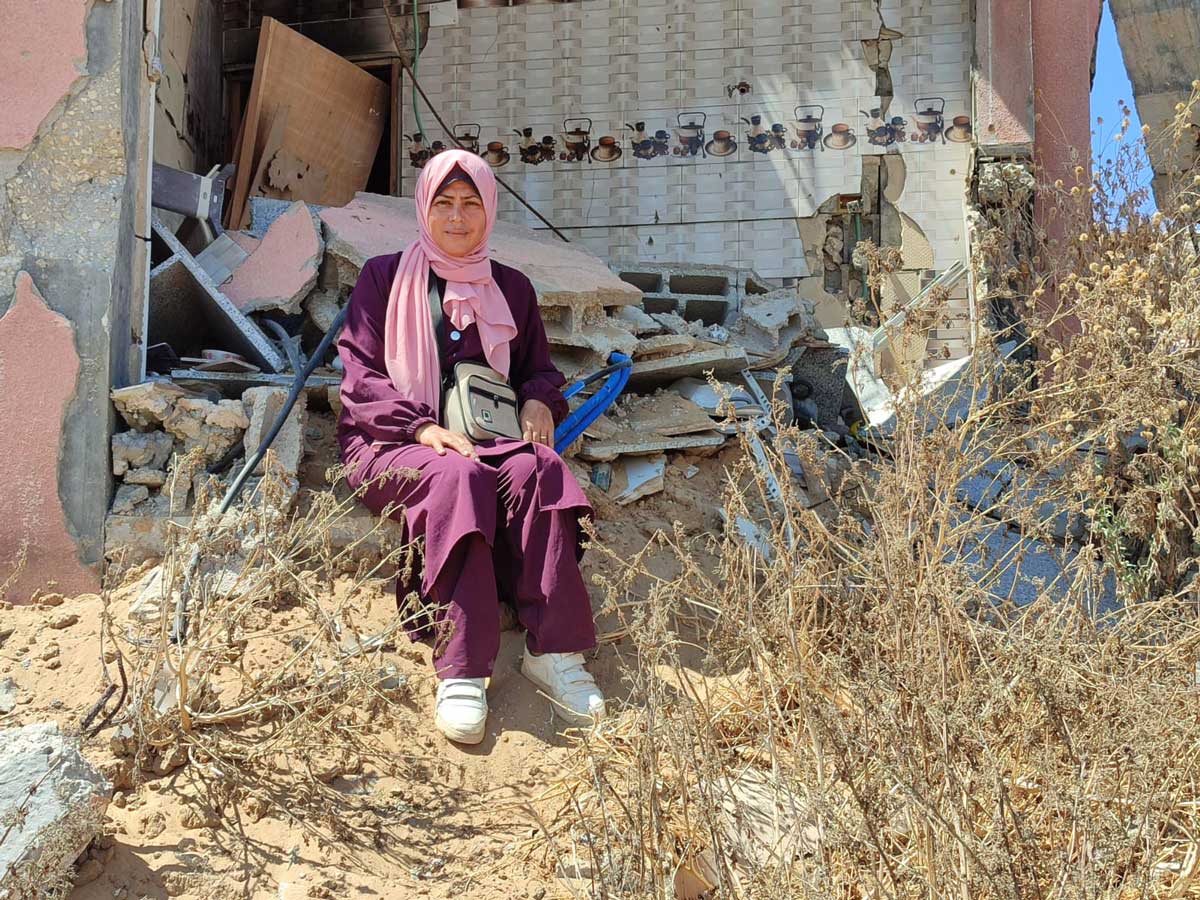
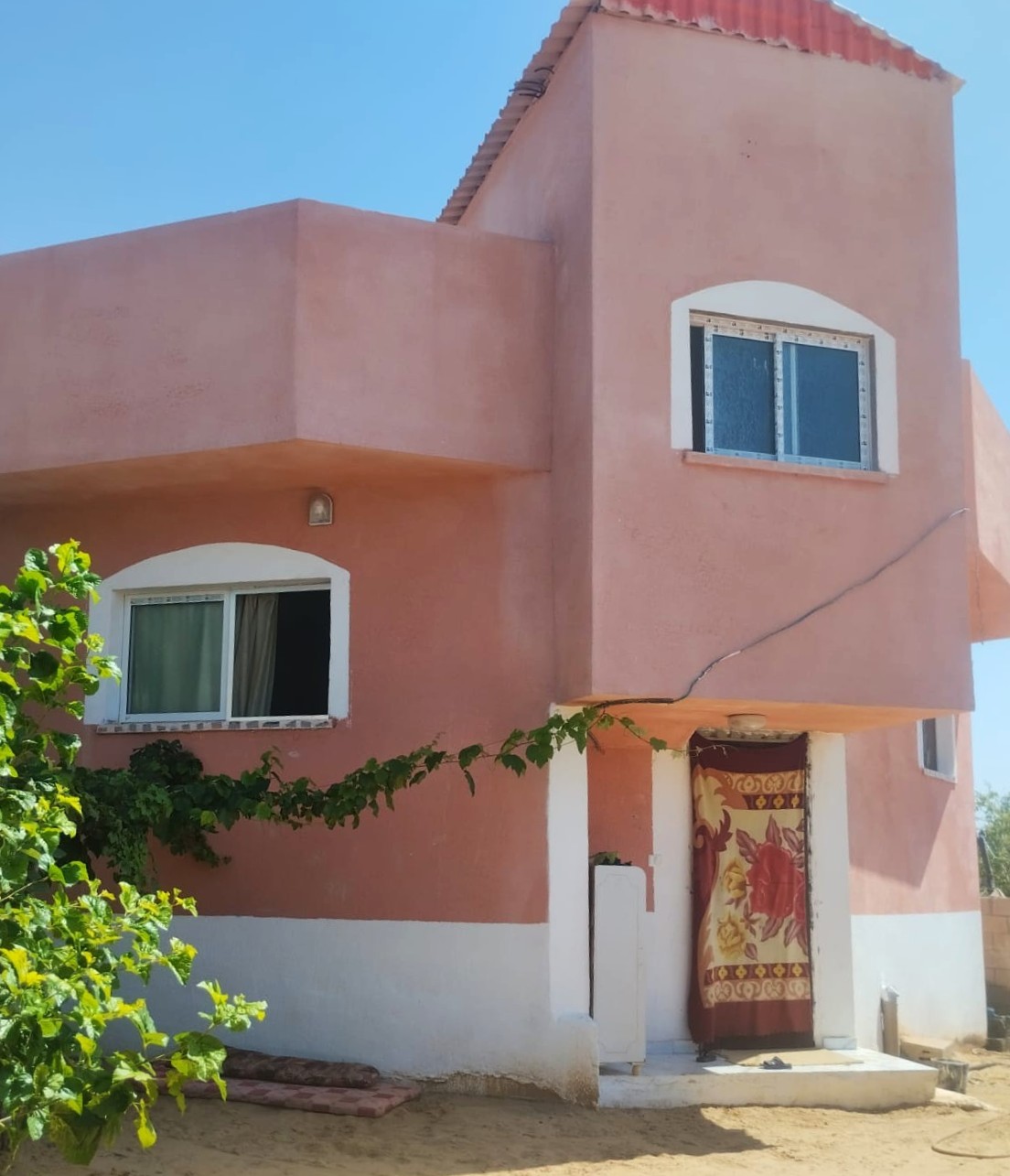
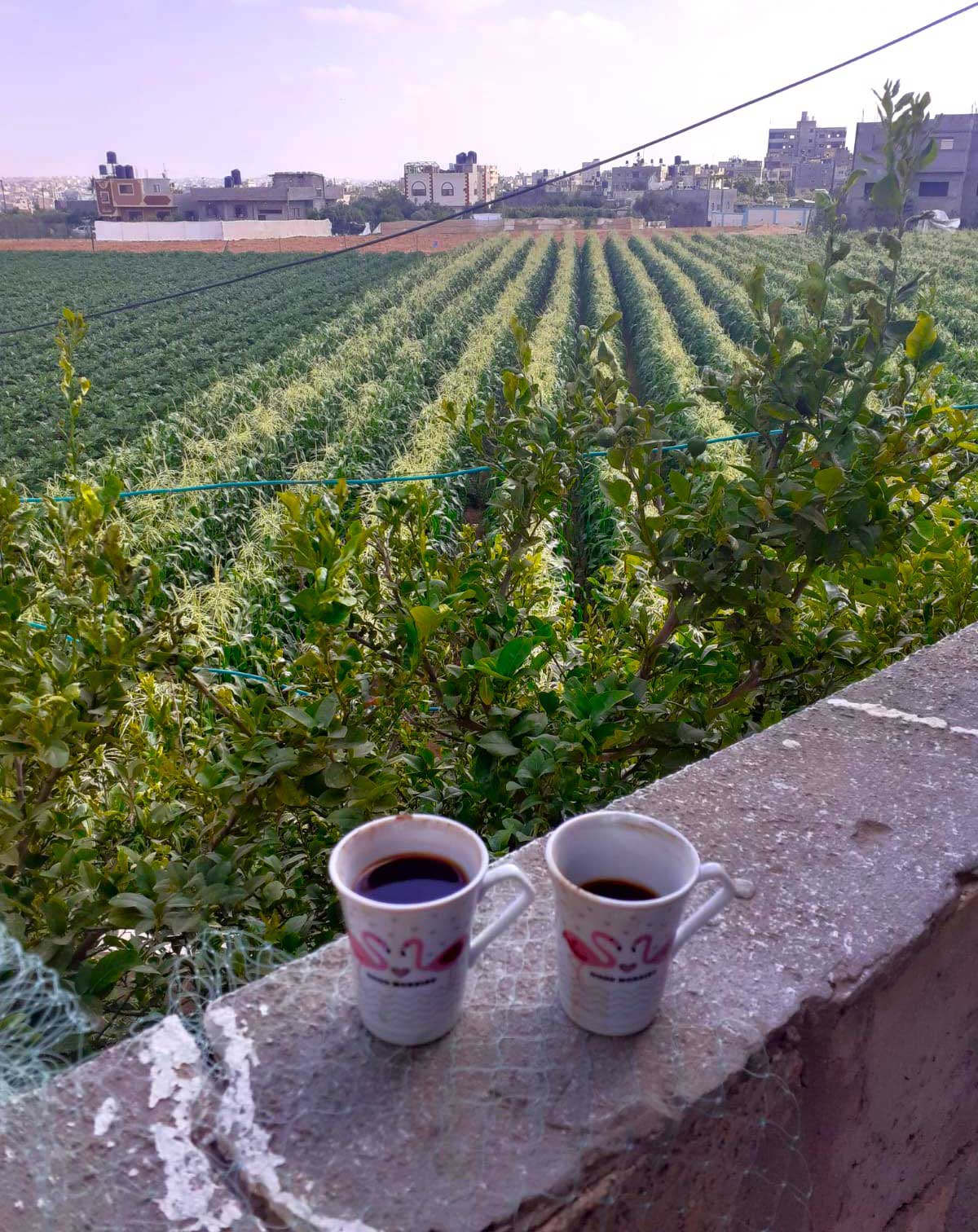
We lived in a two-story house, with a large plot of land with olive trees, fig trees, grapevines and vegetable crops. My husband and I had a room of our own, and the children also had their own rooms, and we had a living room and two bathrooms. Our house was bombed twice in the past, in the 2014 war, when it was partially destroyed and we restored it, and in the 2021 war, when it was completely destroyed, and we had to rebuild it. We finished building the new house and moved into it four months before the war broke out on 7 October 2023 and turned us into homeless IDPs.
On the morning of 7 October, while the children were getting ready to go to school, I heard explosions but didn’t think much of it. The children did go to school but came back very quickly, frightened by the intensity of the explosions. I realized then that another war was starting. An hour later, we left the house, because it’s in a dangerous area, in the northwestern part of the Gaza Strip, surrounded by farmland. We packed suitcases, took blankets and two mattresses, went out of the house and left our beautiful life behind.
We were displaced to a school near a-Shifaa Hospital, where we stayed for about a month and a half. There were many IDPs at the school, and the crowding was terrible. We lived in a large classroom, together with my brothers-in-law and their families, about 30 people, with the only things separating the families being partitions we hung inside the classroom. We didn’t have a shred of privacy, and my daughters and I had to stay in our prayer clothes day and night (outer garments that are usually worn outside the home). There was a “toilet” corner inside the classroom, where we relieved ourselves into a bucket or bags, and it was shared by everyone. My daughters and I lit fires for cooking on the school stairs, and I brought water with the children from a nearby place.
In November 2023, after the Israeli military invaded the area around a-Shifaa Hospital, it advanced toward the school little by little every day, from different directions, until it reached us. The tanks destroyed the school fence. At first, they forbade us to leave the place, and then they separated the women from the men. They lined the women up on one side and ordered us to go to the south of the Strip, and the men on the other side, arrested some of them and let the others go. When we left the classroom, I managed to take only our clothes with me. The children and I didn’t go south as they ordered, but went instead to the town of Jabalya. When my husband joined me there, we rented a storage room, which had been used as a sheep pen. We fixed it up, covered the floor with sand, put in a makeshift bathroom, and stayed there for a year and a half.
That was where we spent the terrible time of starvation at the end of 2023. Sometimes we had nothing at all to eat for days, even five days straight. My husband and I sometimes went to the farmland in the area and picked mallow and other plants so we’d have something to eat. My husband and our son Qays would go to try to collect food that was airdropped from planes, and with great difficulty, they managed to get about two cans of fava beans, two cans of tuna and a few other food items.
One kilogram of flour cost about 120 shekels (~ 40 USD) during that period, and instead of flour, I had to grind feed grains and animal and bird food to make a little bread out of. Each of us would get a small piece of bread. I usually gave my piece to Bilal, my youngest son, and sometimes that was all we had to eat for entire days. Our suffering was so severe that I myself went to the aid distribution area at a-Nabulsi Square to bring flour, together with Qays and my sister Zuzu, 43, who is divorced and lives alone in Jabalya, even though it was very dangerous. One time, I managed to get a 25-kg sack of flour, and I carried it on my back for two hours, with the help of my sister and Qays, until we reached the storage room where we lived. That was a great joy.
During that period, my daughters and I cut our hair, because there were no cleaning products or shampoo, and our hair was crawling with lice because of the filthy conditions we were living in. The few cleaning products and hygiene items that were available on the market were insanely expensive, and there was no way we could buy them. Sometimes my husband went to bombed houses to scavenge for food, hygiene items and cleaning products, and when he came back with some leftover piece of soap and we could shower properly, not wash ourselves a little with just water, we all felt as if we were born again.
Another thing that caused us great suffering was that we didn’t have spare underwear. Each of us had only one or two items, which we would wash and wear again, and I had to borrow some underwear from my sister, who had a women’s clothing store before the war, which also had underwear. I also suffered terribly from the lack of sanitary pads. I cut pieces of cloth for myself and for my daughter, which served as a substitute for pads, but they caused us infections and rashes that were made worse by the lack of hygiene products.
In addition, since the beginning of the war, I’ve had to light a fire every day to cook and heat water. My hands and face have turned black from the soot that clings to them, and I cough all day from the smoke. The dishes I use have also turned black.
In this cursed war, we lost our privacy. In the storage room, we all slept together in the same room. I tried to create a bit of privacy for us and put up a partition so that we could change clothes, but it didn’t help my relationship with my husband. This situation created a lot of tension between us; we don’t really talk to each other anymore, and I feel like he’s like a son or brother to me, not my partner.
After the difficult starvation period ended, around early June 2024, I started to feel a little better healthwise. I looked at the children around me, mine and those of other displaced families, and I thought about the fact that they hadn’t been going to school for a whole year. I love children very much, and I love working with them, so I said to myself: Why don’t I teach them? I shared this thought with my sister Zuzu, and together we went to several schools to ask them to let us use one or two classrooms to teach the children.
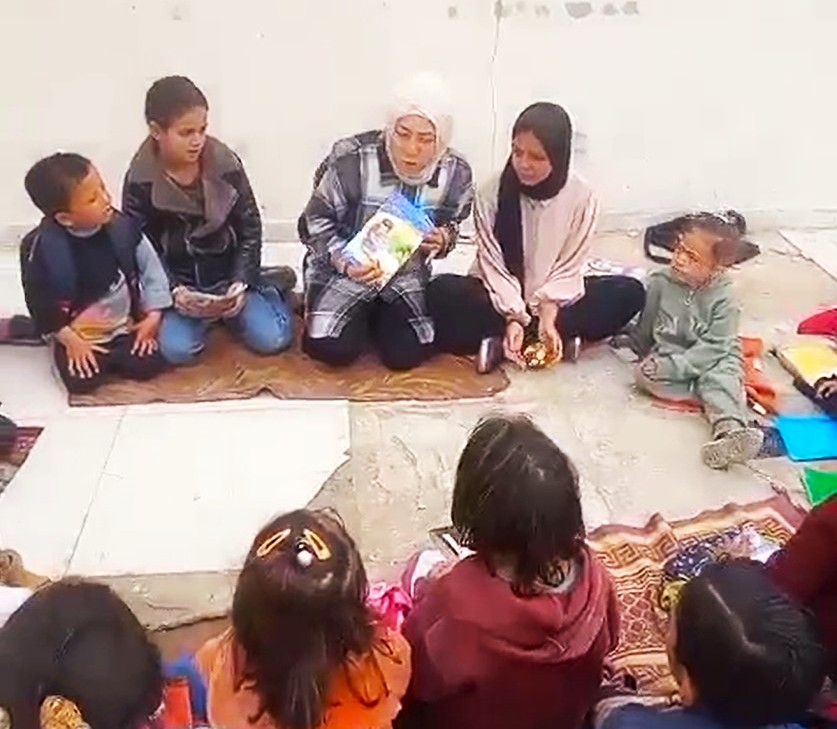
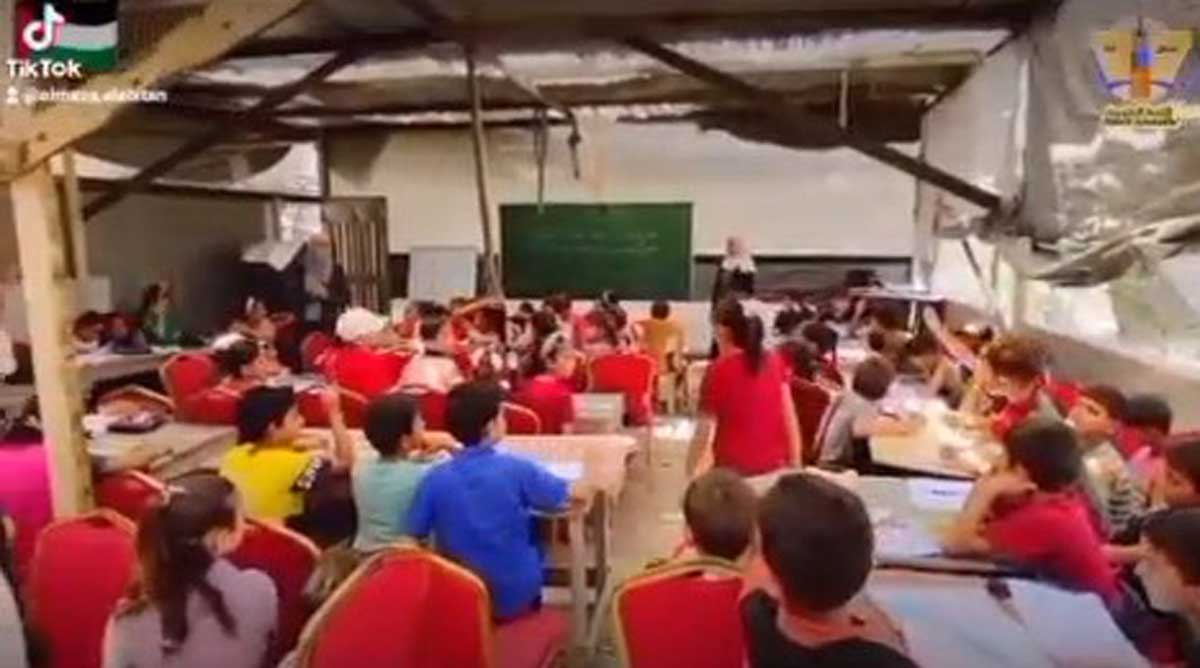
The people in charge at the schools refused because of the severe crowding in the buildings and classrooms where IDPs were housed. So my sister and I rented a plot of land near the town with money she had saved and set up a large tent on it to be used for teaching the children. We began teaching there and organizing recreational activities and psychosocial support for the children. The project was very successful, about 500 children came to study, and 15 teachers volunteered to teach. Since the tent couldn’t hold more than 500 children, I had to turn down requests from parents who wanted to sign their children up, and they were very disappointed because they really wanted to join the program. Teachers and representatives from the Ministry of Education who visited us appreciated the idea, and after six months, more centers of this kind were opened, which reduced our load and eased the pressure on us.
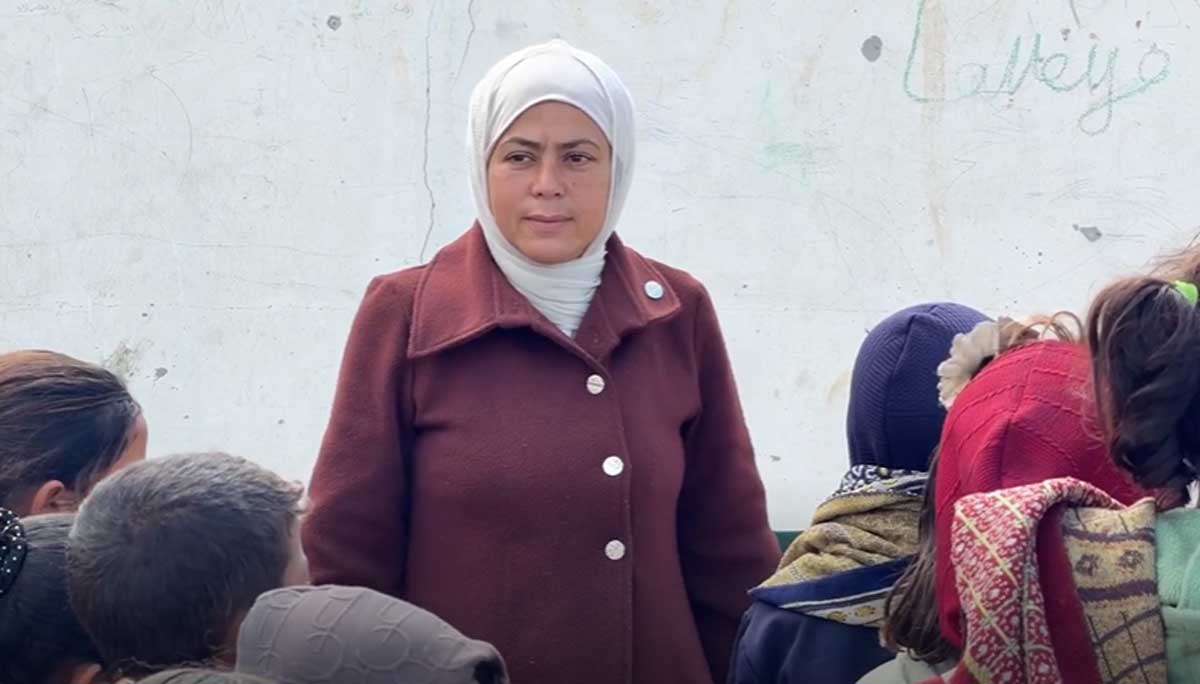
Classes were held in three shifts, one in the morning and two in the afternoon. With support from several initiatives and institutions, we managed to buy desks and chairs.
The children were so happy. They studied in the classroom as bombings and horrifying whistles of missiles were heard around them. In those moments, they’d cover their ears with their hands, but they didn’t leave. Sometimes, when the situation was especially dangerous, we would have to shut down the center for a day or two, and then we resumed classes and continued as usual. I didn’t give up.
In one of the Israeli military’s invasions, the soldiers destroyed the tent I’d set up to teach the children.
In May 2024, when the military entered Jabalya, my sister, Zuzu, was displaced to our area and came to live with us in the storage room. She’d occasionally go to her clothing store with my son Qays and bring clothes to sell in the markets. I would warn them about the danger of the gunfire and bombings and beg them not to go to the store, which was on the ground floor of her house in the town of Jabalya. She would tell me: “God will protect us.”
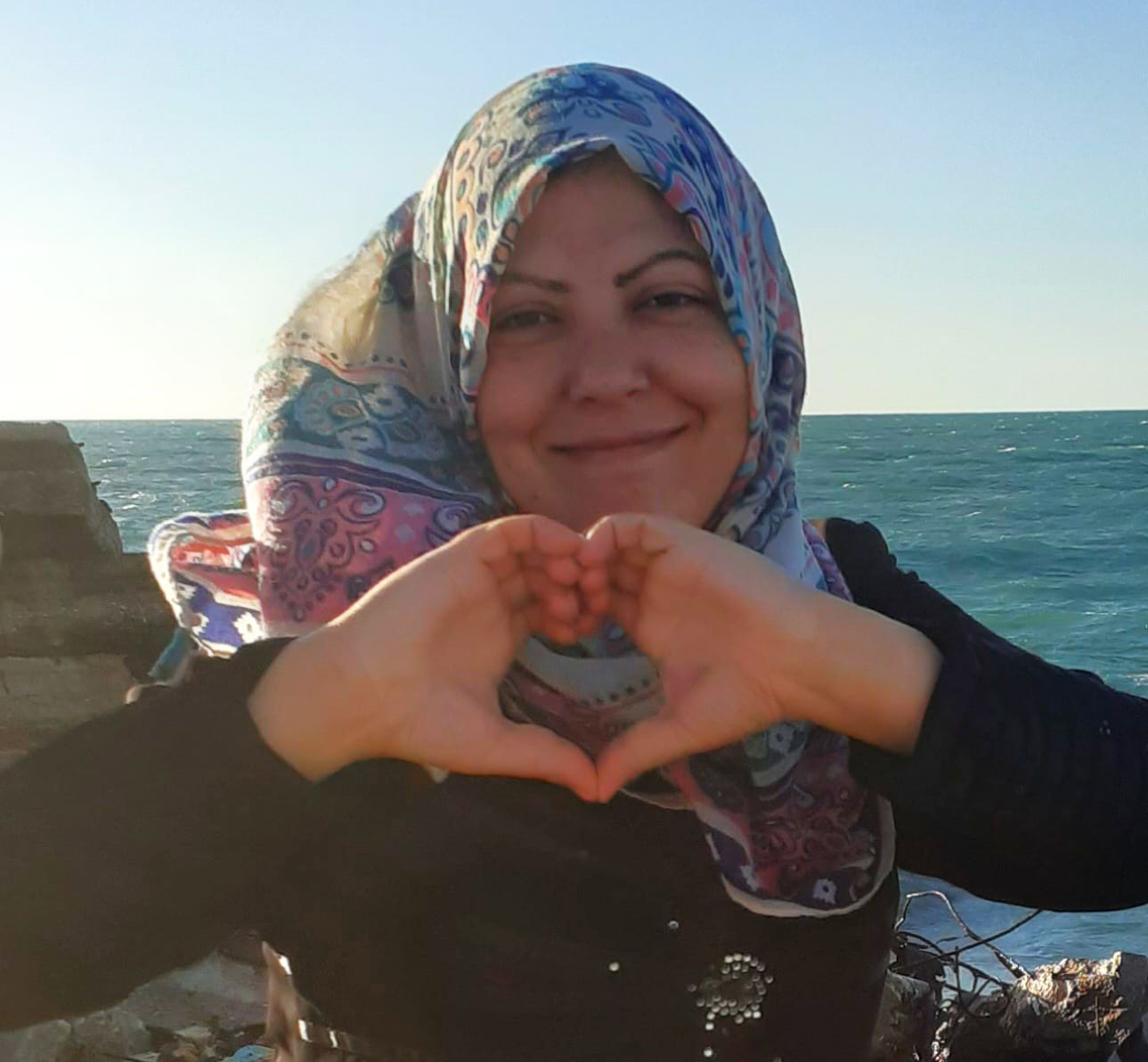
On 12 October 2024, Zuzu was with me in the storage room, and after we had lunch together, she asked Qays to go with her to the store to get clothes. I tried to convince her not to go. I told her: “Listen to how horrifying the sound of the missiles is,” but she just said “bye bye” to me and left. Qays did not go with her.
A short time after she arrived at the store, her house was bombed, a three-story building, and it collapsed on her.
When I heard about the bombing, I immediately felt that Zuzu was hurt. I ran there quickly and discovered that the building had collapsed on my sister. In the street, they were evacuating wounded people to the hospital, and I tried to recover my sister’s body, but I couldn’t. I cried, screamed and called out to her.
Then quadcopters came and started shooting at us. I had to run away and leave my sister under the rubble. On top of the grief over her loss, it pained me very much that her body stayed buried under the ruins.
For four months I waited for the Israeli military to withdraw, so that I could recover her body. After a ceasefire was declared in January 2025, I paid a young man about 2,000 shekels (~ 650 USD) to recover it. When I saw the state of her body, I cried and screamed. After that I laid her to rest in the cemetery in Jabalya.
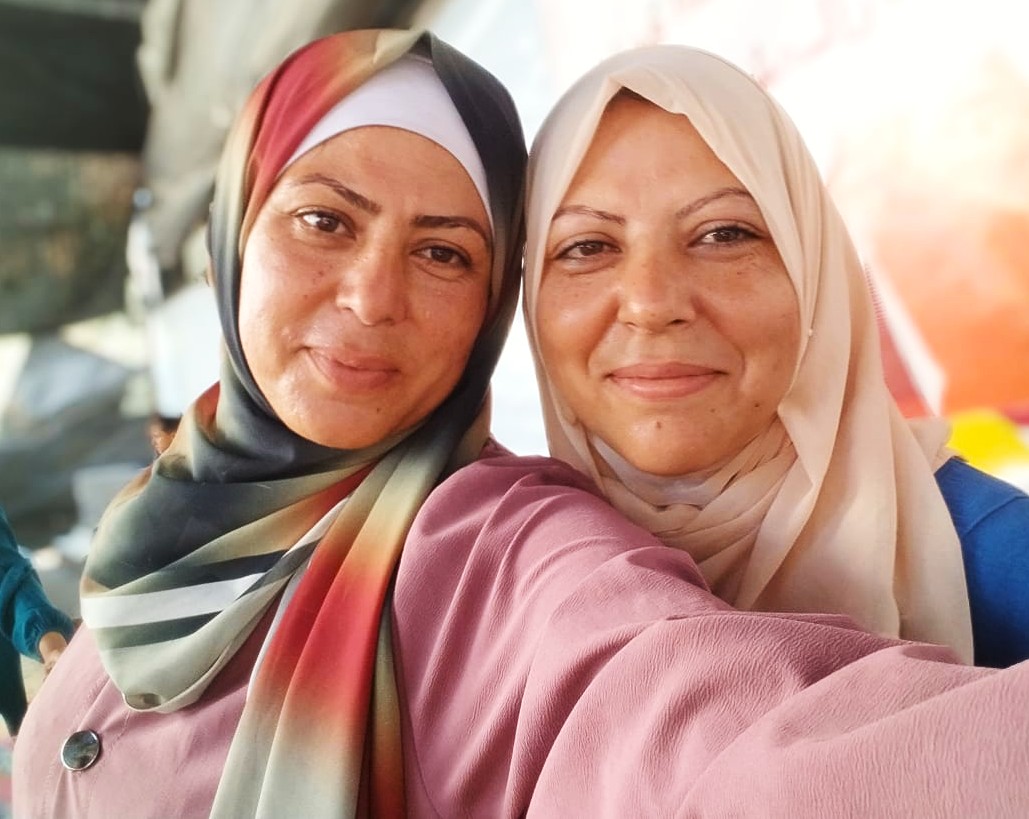
After the war resumed in March 2025, we again suffered from starvation, and the situation was very difficult. Despite the danger, I held on and didn’t leave. In those days, my son, Qays, began going to the aid distribution centers in Rafah on his own. He wouldn’t let me go with him, and my husband couldn’t go with him because of his illness and his injured leg. The first time Qays went to Rafah, he left early in the morning without telling me and stayed there overnight. When I found out that he had left the house, I assumed he had gone to bring aid, and I was very worried about him. In the end, he came back empty-handed. The second time, he managed to bring some flour and a few cans of food.
Later, he also started going to the area where the aid trucks entered in the a-Sayfa/Zikim area to bring us food. I was very afraid for him, and sometimes I didn’t let him go. But sometimes I agreed, because the hunger, which almost crushed us, outweighed my fears. This is how we managed to survive that starvation period.
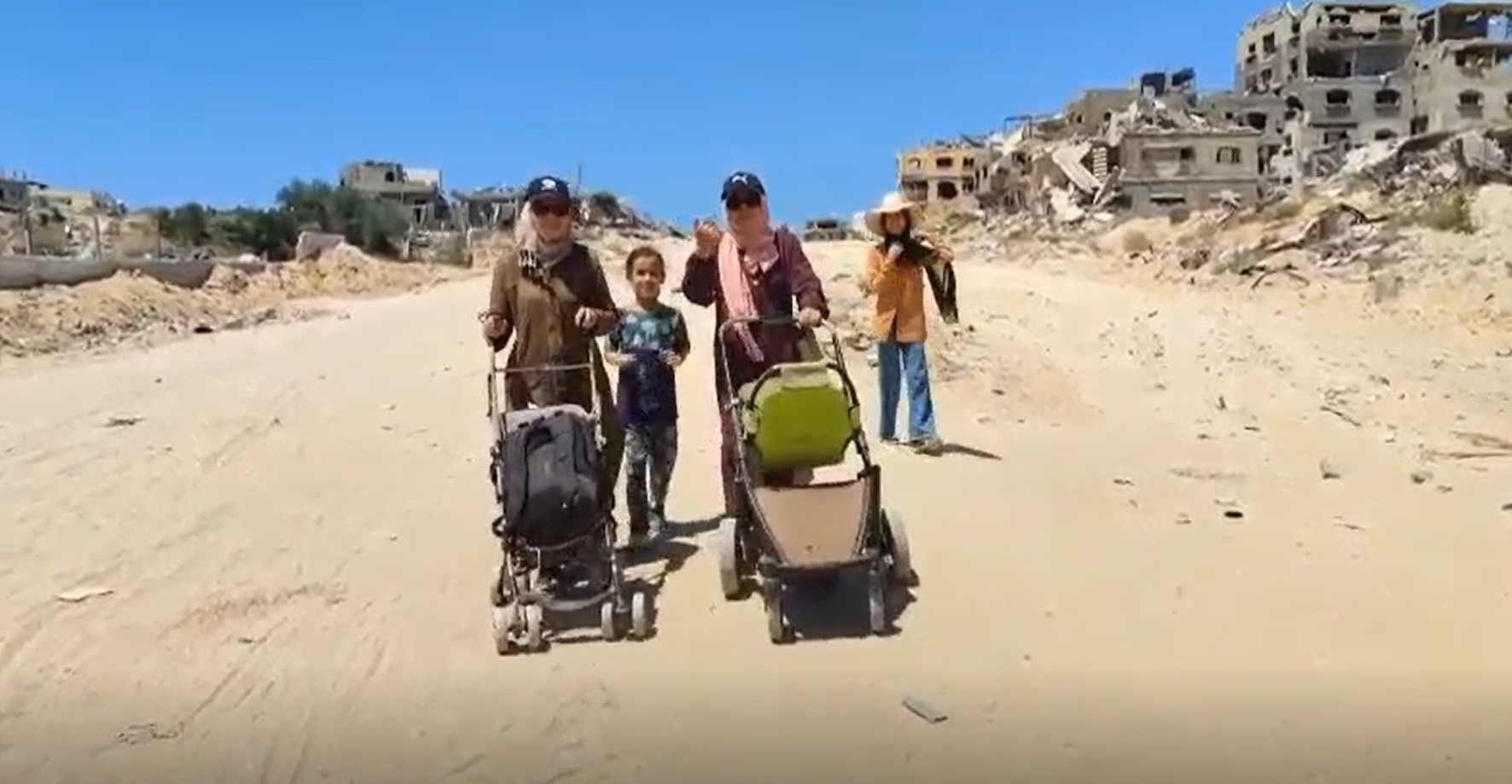
On 11 June 2025, the bombings intensified. Only we and four other families, including the ‘Alush family, remained in the neighborhood. The ‘Alush family had a solar energy system for charging phones, and my husband went with Qays to charge the phones there. Just then, the Israeli military bombed their house, a three-story building. The building was destroyed, and about 16 people were killed.
My husband and my son Qays were rescued, wounded, from under the rubble. My husband was wounded in the head, including his ears, and needed about 50 stitches, and also in his back. He still has difficulty walking. Qays also had wounds in his head that required stitches, and shrapnel penetrated his legs.
After they were wounded, we left the area and moved to western Gaza City. They were both treated at a Kuwaiti field hospital in the a-Saraya area. We reached the port area, but we didn’t have a tent. Tents were sold for about 1,500 shekels (~ 490 USD), and I didn’t have that kind of money. When we were displaced from the storage room, we hardly took anything with us, only a few clothes. We were left with nothing and without a roof over our heads. I called a friend of ours, and he bought me a tent. We put it up, but we didn’t have blankets or mattresses, and we slept without them.
After about a month, when the bombings intensified again, I moved with my husband and the children to central Gaza City. We walked until we reached a-Nuseirat Refugee Camp. We asked a neighbor who had also been displaced to the same area and had rented transport to move our tent. We put the tent up again on a sidewalk and lived in it for four months.
When the ceasefire was declared in October 2025, we decided to return to the north of the Strip. On 1 November 2025, we moved to the seashore area and put up a tent, and we’ve been here ever since. The situation here is very difficult, and we have no money. The tent isn’t a proper place to live and does not provide reasonable infrastructure for human life, and we all also suffer greatly from the lack of privacy.
We suffer from mosquitoes all night long. We try to drive them away without success, and we barely get any sleep. In the morning, we also wake up to flies and mosquitoes swarming in the tent. They’re making our lives hell.
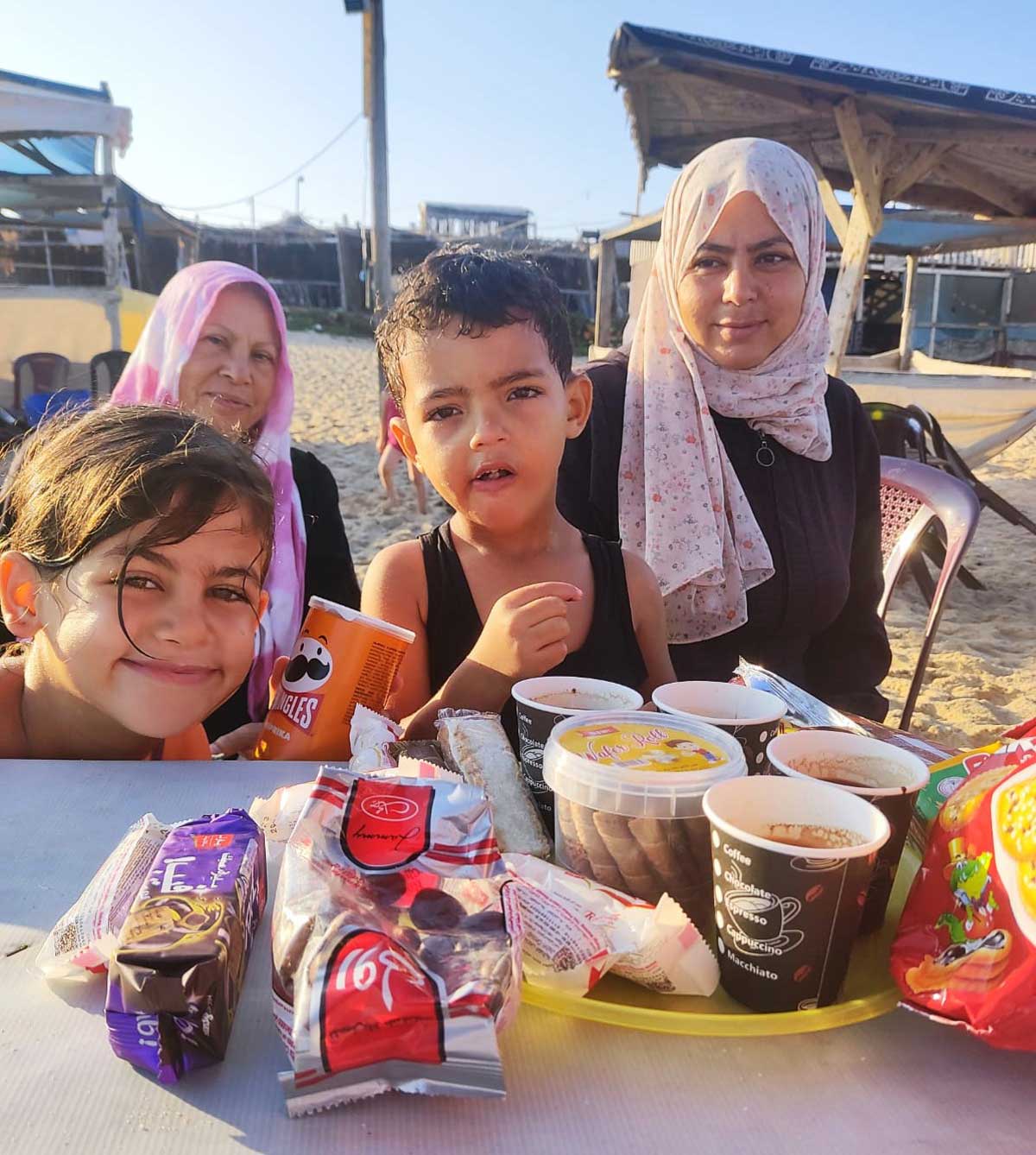
This war has blurred the distinction between the traditional roles of women and men. We all stand in line for water distribution and for food at the takiyas [soup kitchens]; we all go around looking for firewood and to the aid distribution centers to bring food for our children. Women, like me, light a fire every day to heat water and cook. In the shadow of the war, women bear a heavier burden than they did in the past and are forced to take on tasks and responsibilities that were previously considered male.
It’s now the blessed month of Ramadan, a month that I love very much. Every day I wake up and pray that God will make it easier for us to make a living. We’re spending this month in a tent rather than our house, where we used to spend time together as a family and host relatives in a festive atmosphere.
As for my educational project, children from the area have started coming to our tent and asking me to teach them like I did before. Despite the severe lack of resources, I messaged several teachers that I wanted to revive the teaching project. To my joy, they agreed to volunteer. I got an alternative site ready, and the children come and bring mats to sit on, because there are no chairs or desks. I use an old wallboard that I salvaged from the ruins of the large tent where we previously held the classes.
We currently have about 180 students, in two shifts, morning and evening. The parents of some of the children who come can’t afford to buy them school supplies, and they just listen to the lessons. I keep going despite the meager resources because without support for these children and investment in their education, they will have no future.
Teenagers also need this kind of support. Even my son, Bilal, who’s nine years old, can’t read and write. This generation is facing a difficult future and a bleak reality if they don’t get a real opportunity to study and develop.
As a married woman, I’d like to live with my husband in a room of our own, or at least in a private tent of our own. Now I’m trapped in the family tent, sad, constantly preoccupied with how to provide the next meal for my family. My husband is ill; nothing I wish for is within reach. More than anything, I long for my home, to see it and to live in it. If we manage to build even just one room, it’ll give me the feeling that I have a home of my own.
Right now, I live in constant fear that the war will resume and that I might lose another family member. But more than anything, I’m afraid that the hunger will return. In fact, I don’t feel that there really is a ceasefire. We’re still living in this miserable tent, and fear follows us everywhere. From time to time, we hear the echoes of explosions, and at night, we can’t sleep because of the shelling. The only improvement I have felt so far has to do with the delivery of aid and food.
I want to say to the women of the world: We, the women of Gaza, have suffered greatly in this war, but we stood firm. We relied on ourselves, we bore the burden, and we became equal to men in every sphere of daily life and in the situations we were forced to face.
But we are pushed to the margins. It seems that no one knows anything about us. I call on you to stand with us and by our side. We’ve been deprived of the very basis for human existence. We’ve lost our homes, our freedom and our privacy. Our lives as we knew them have been destroyed.
We’ve grown very tired of this war. We’ve lost almost everything we had. Our most basic needs go unmet. Tell people about us. Learn about what we’ve gone through and what we’re still going through in this cursed war. Your voices can give us strength and hope.
* Testimony given to B’Tselem field researcher Olfat al-Kurd on 25 February 2026
Read more: Clinging to what’s left of life: Palestinian women under genocide in Gaza, 8 March 2026