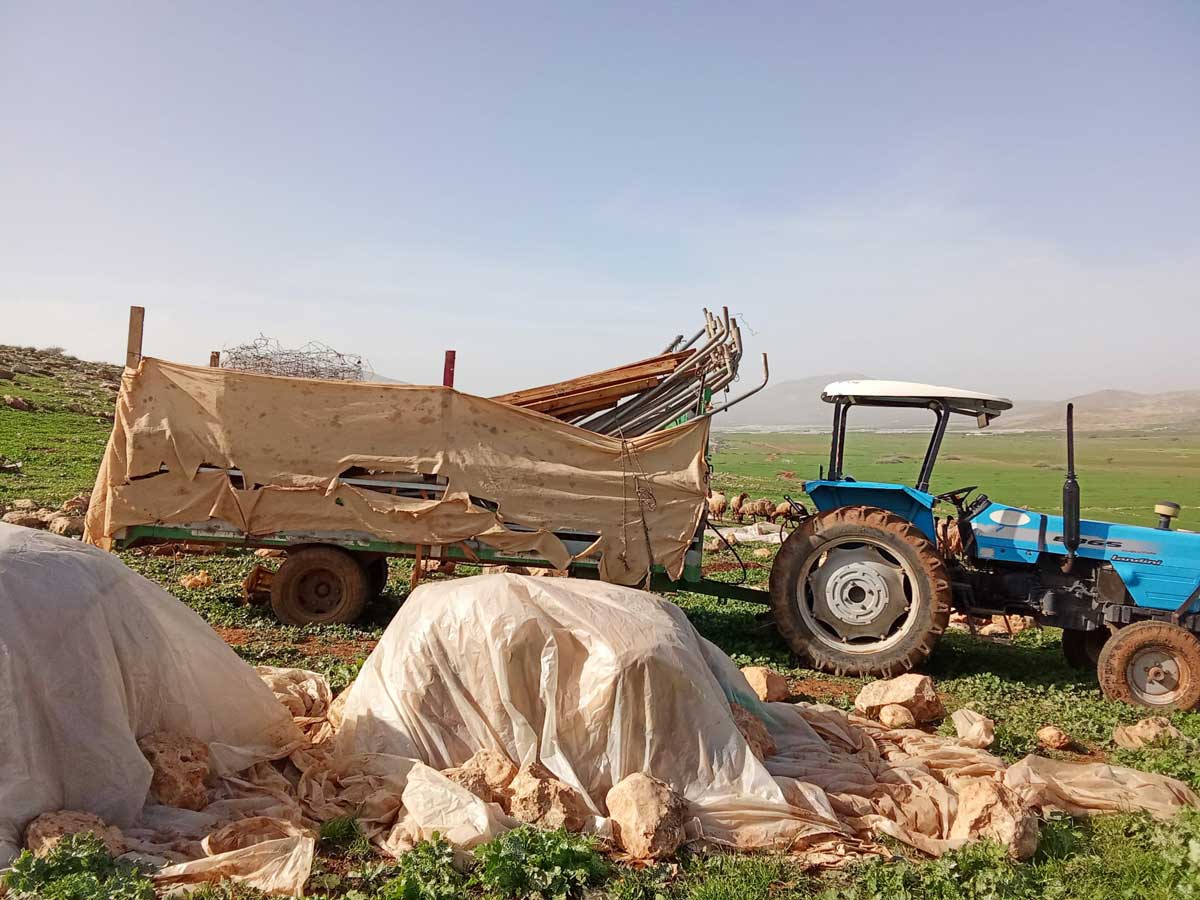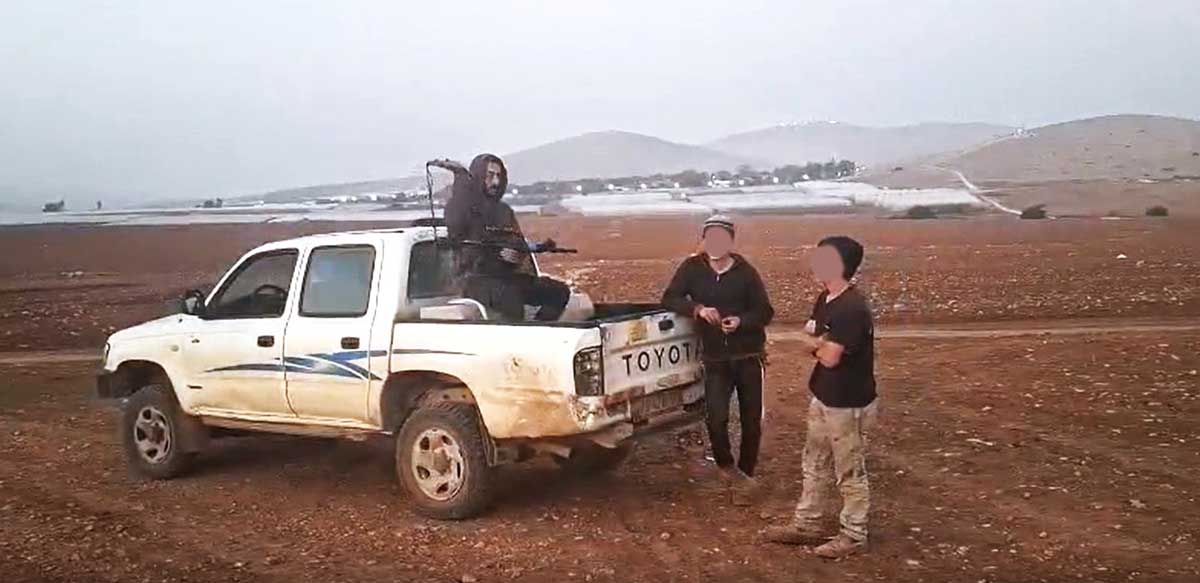
In the first week of February 2026, six families, numbering 34 people including 17 children, were forced to leave their homes west of the original location of the community of Khirbet Humsah al-Foqa, after being repeatedly attacked, harassed and denied access to pastureland by settlers, often with help from the military. The military prevents shepherds from grazing in the area, which it has designated as a “firing zone,” and detains shepherds who try to repel settler attacks.
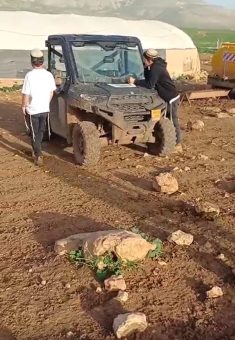
The settlers, who usually come from the outpost Havat Beka’ot, which was established southwest of the settlement of Beka’ot around March 2023, and from the outpost Ro’ei Avraham, which was established in November 2025 northeast of the community of al-Hadidiyah, routinely invade the families’ residential compounds on an ATV and on foot, drive the families’ sheep flocks off the pasture and harass the residents in other ways.
Between November 2020 and July 2021, Israel repeatedly demolished the homes of the community of Khirbet Humsah al-Foqa in the northern Jordan Valley, with the aim of forcing residents out, while claiming they live inside Firing Zone 903, declared by Israel a few weeks after it occupied the West Bank in 1967. In those months, the Civil Administration and the military demolished 238 structures, including 76 homes where 185 people lived, 106 of them minors. The community’s families had to leave their homes and scattered to different areas, including near Hamra Checkpoint, near Furush Beit Dajan and west of Humsah.
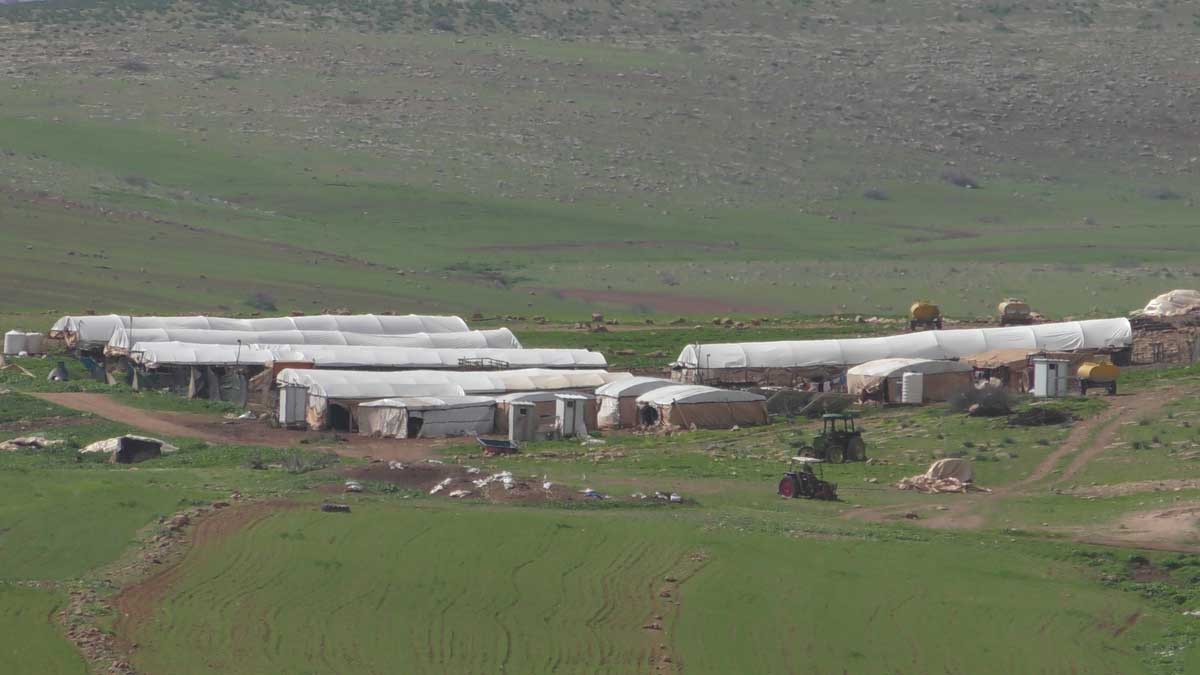
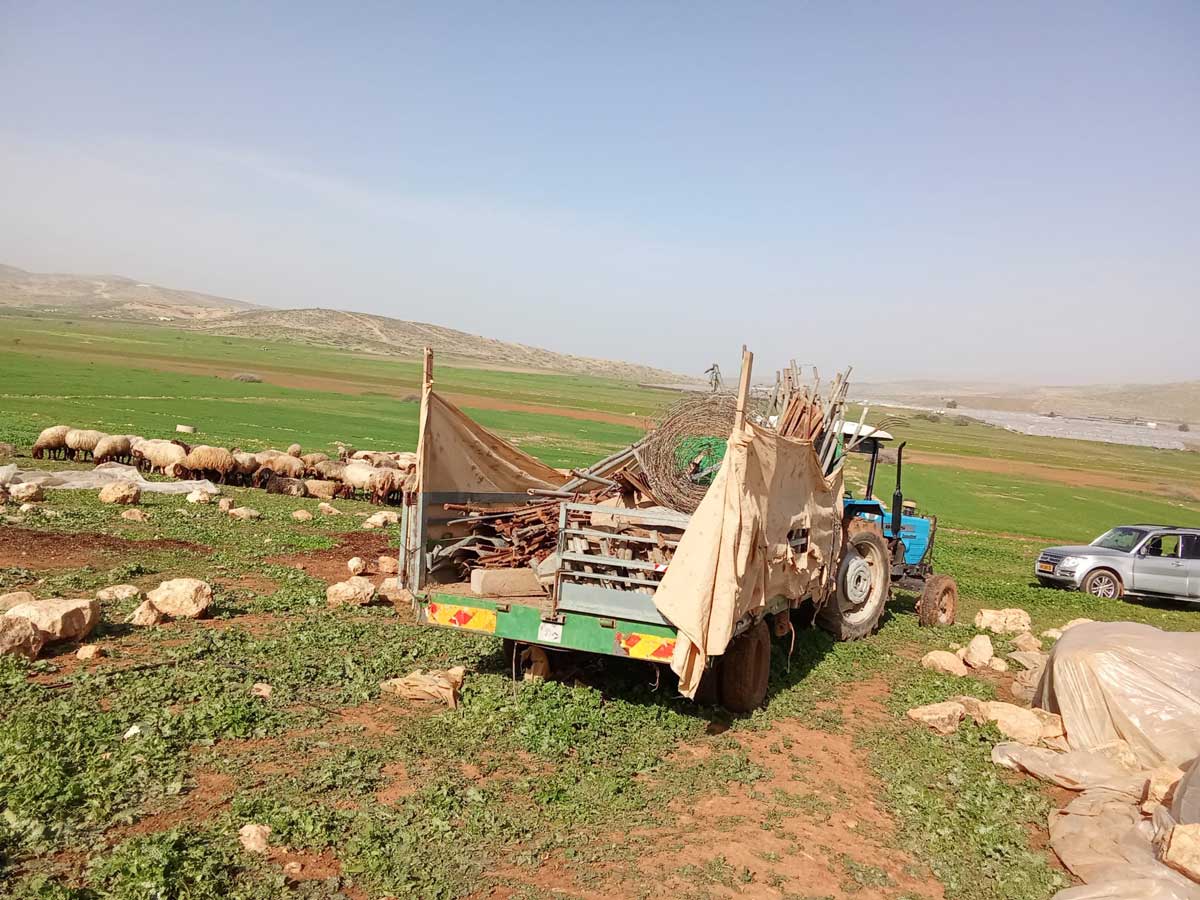
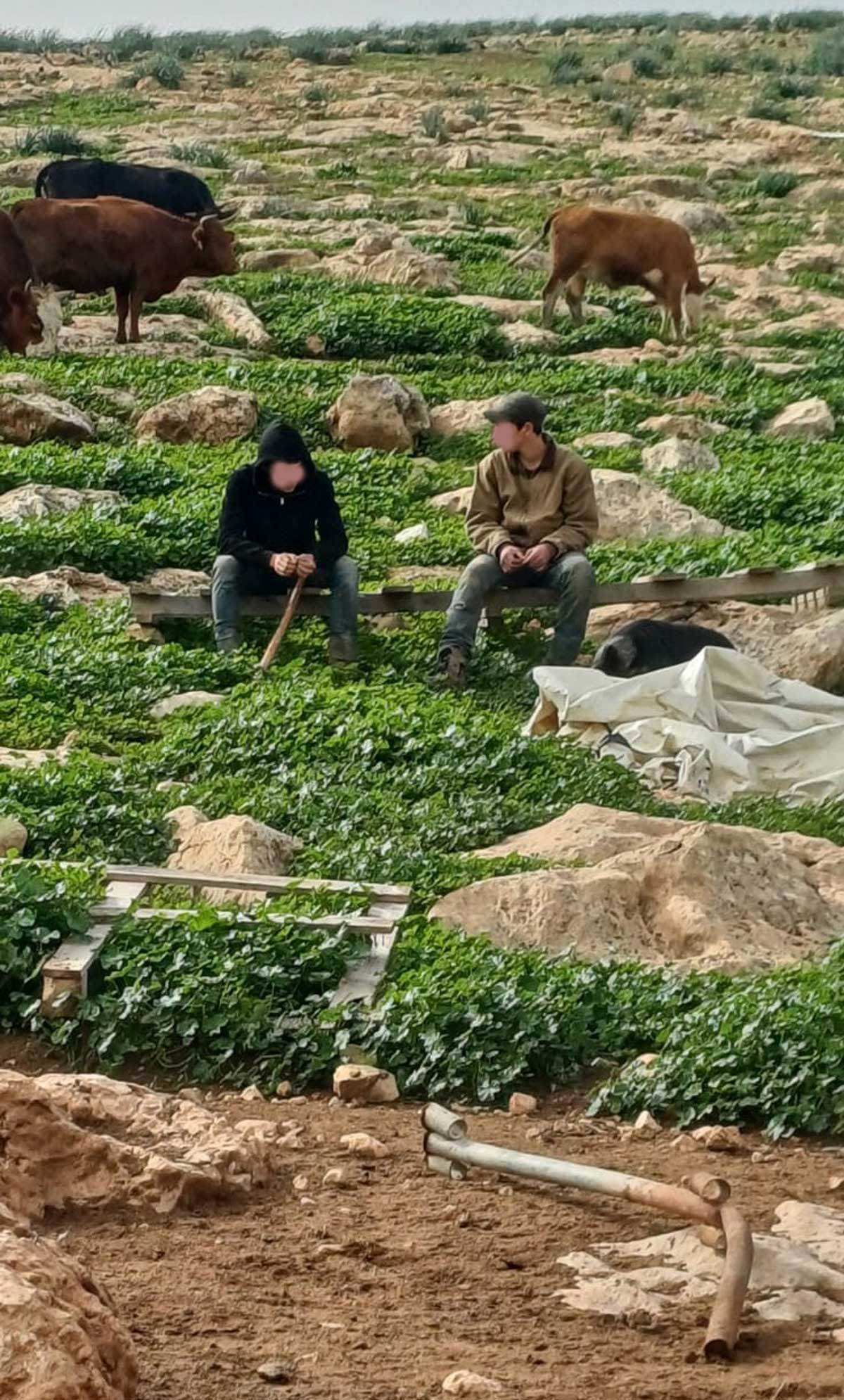
West of Humsah, shepherd families from the community belonging to the extended Abu al-Kabash and al-‘Awawdeh families, settled on land owned by families from Tubas and Tammun. The settlement of Beka’ot was established west of the site and the settlement of Ro’i northwest of it. Residents continued to subsist on sheep farming. Over the past several months, settlers began harassing these families in an attempt to uproot them again, preventing them from going out to pasture and harassing them on a daily basis. For example, on Friday afternoon, 30 January 2026, two settlers invaded the families’ residential compounds with the outpost’s cattle herd and grazed inside them for several hours; on Saturday, 31 January 2026, at around 1:00 P.M., two settlers riding an ATV invaded the residential compound, drove around the homes on the ATV and walked around the area for some time. On Sunday, 1 February 2026, the six families from the al-‘Awawdeh family, who lived in two residential compounds, began taking down their homes and moving their belongings to the area of a-Nasriyeh.
Ten families from the Abu al-Kabash family remain at the site west of Khirbet Humsah in two main clusters.