For the full report (PDF)


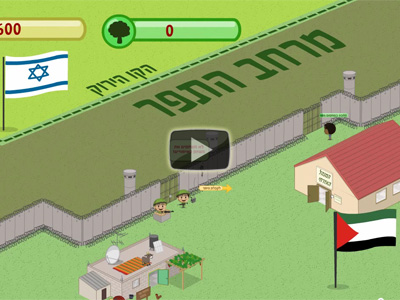
 Green Line
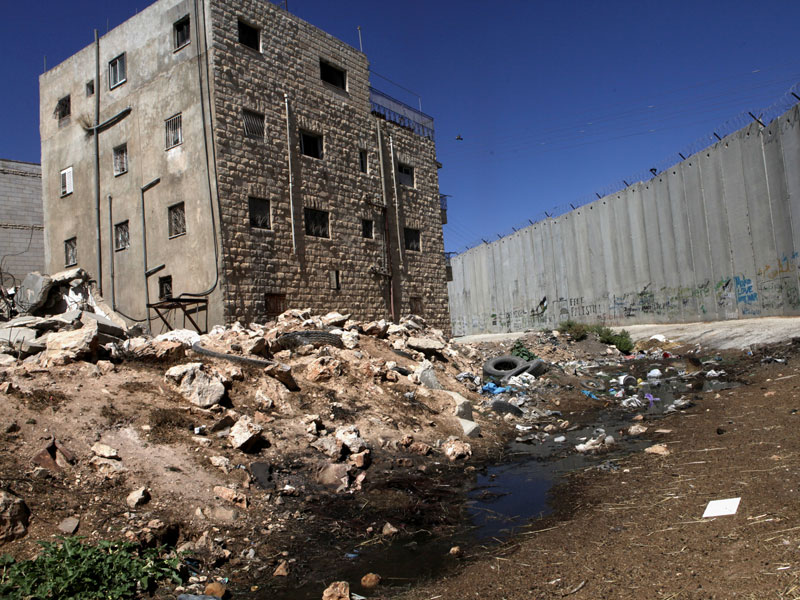
 Separation Barrier
 Barrier Under Costruction
 Voided Barrier
 Checkpoint
 Agricultural Gate
 Tunnel
 Palestinian Community
 Settlement
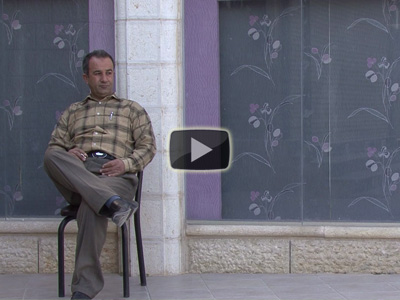
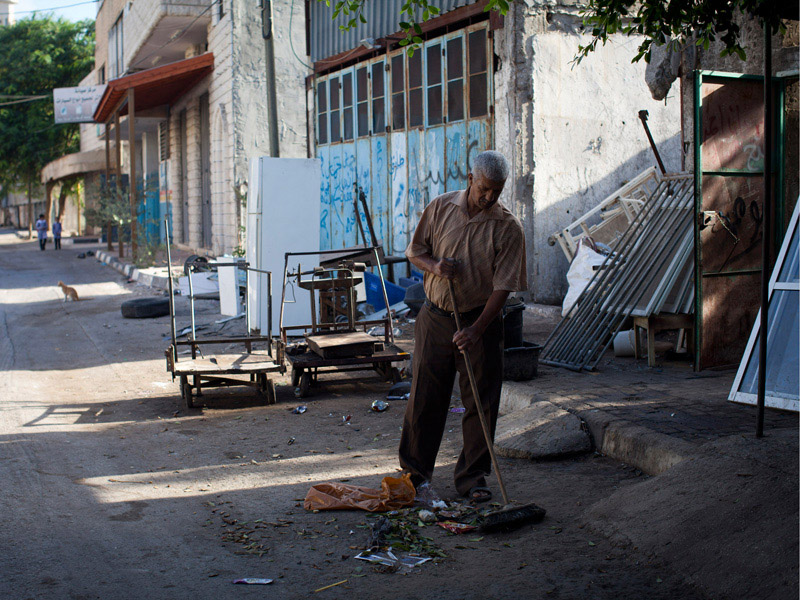
a village cut off

dried up, torn out

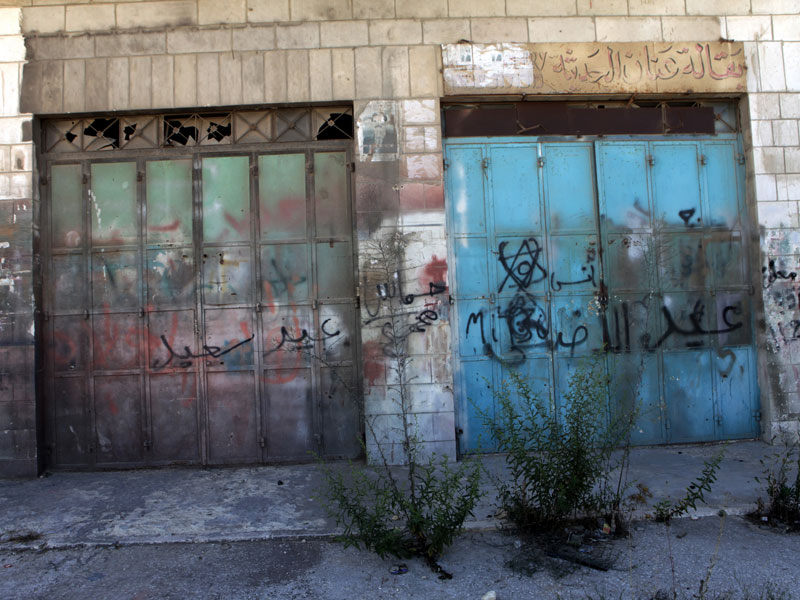
economic strangulation

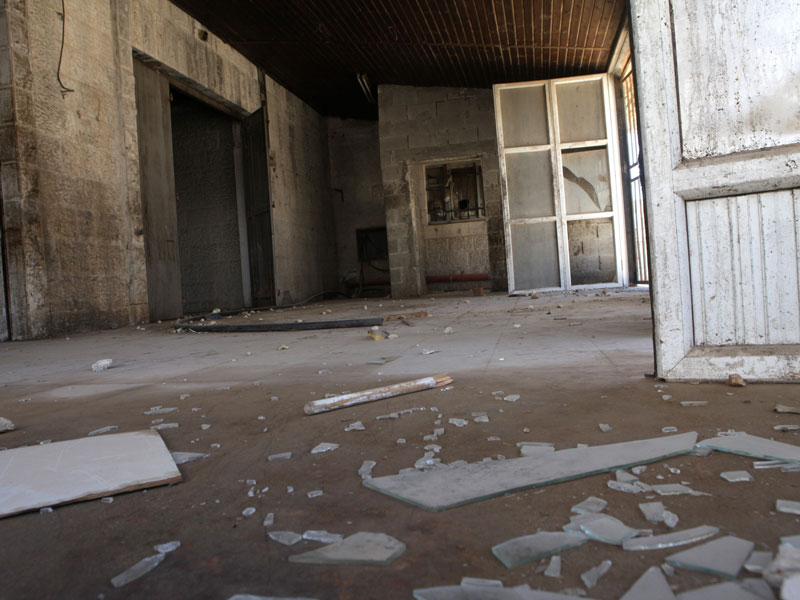
ghost town
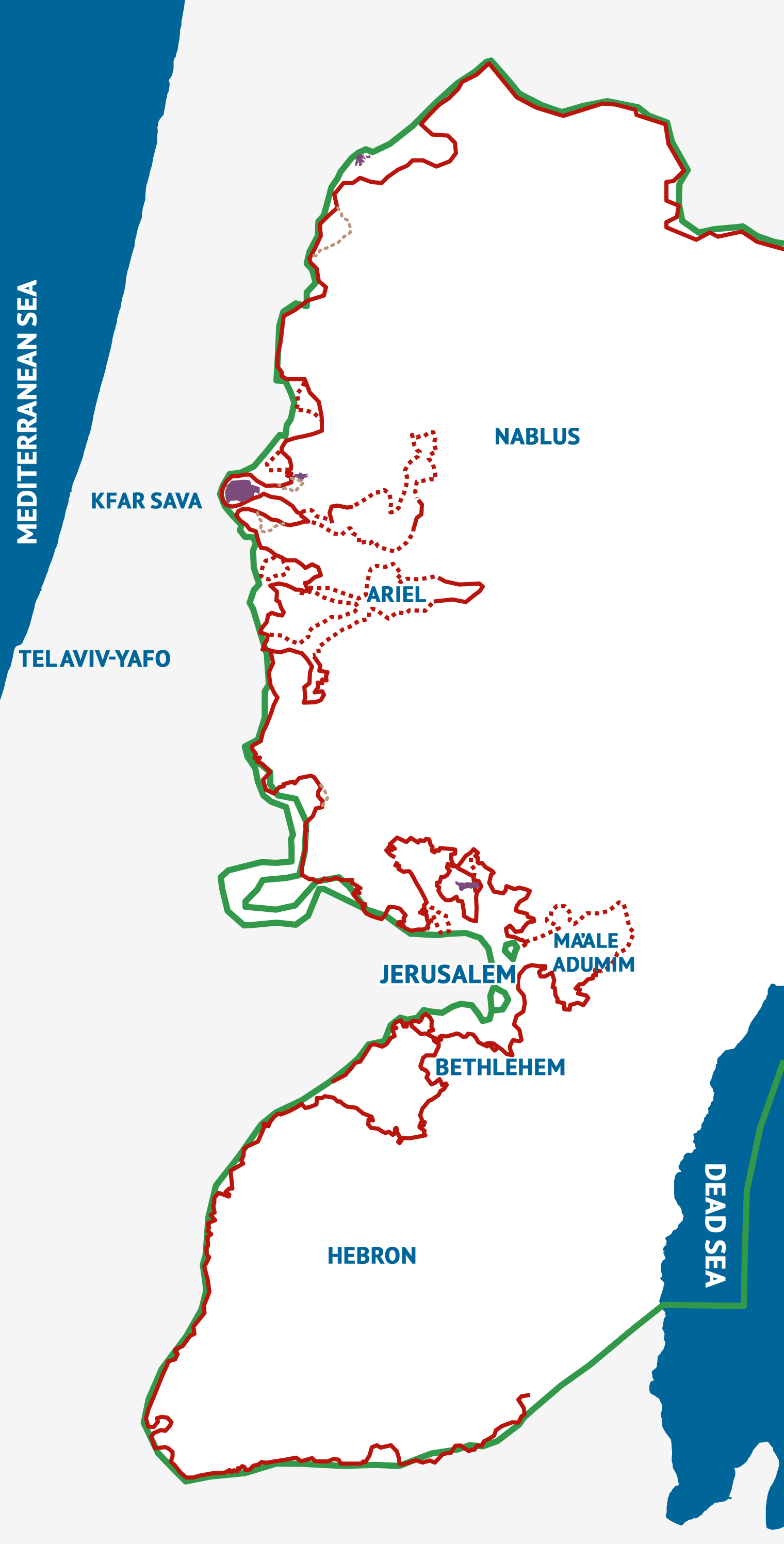
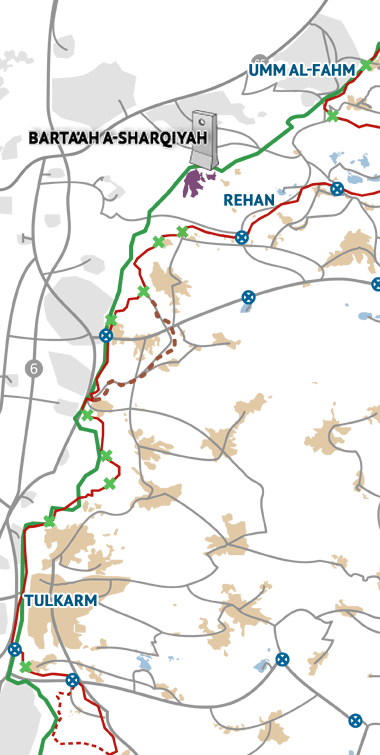
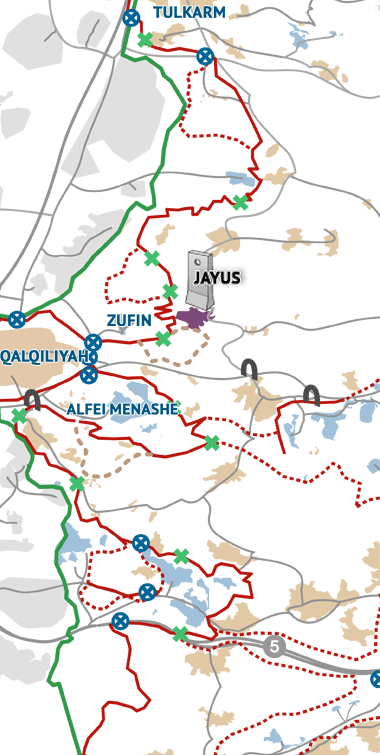
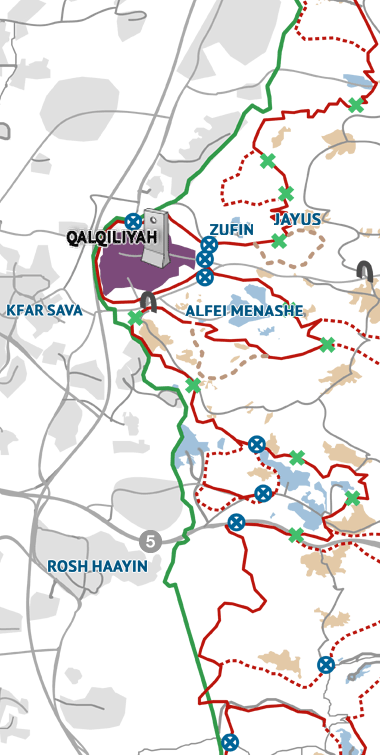
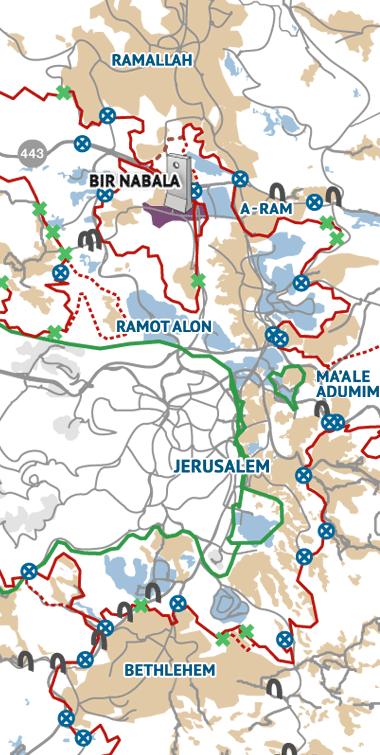
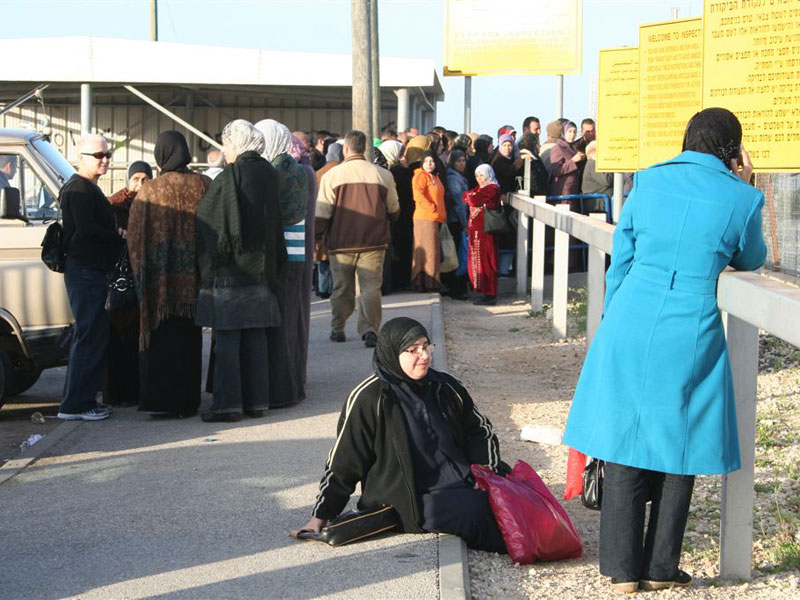
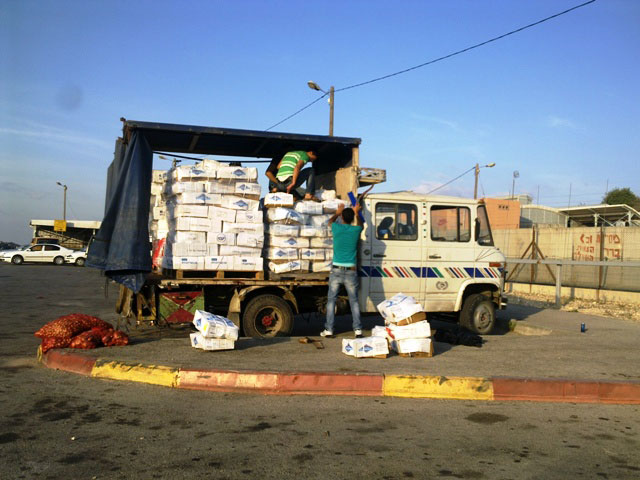
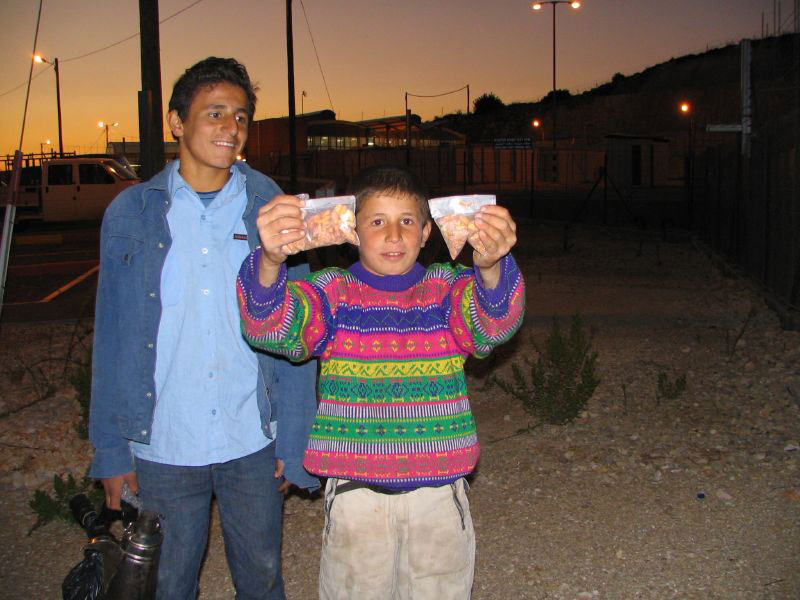
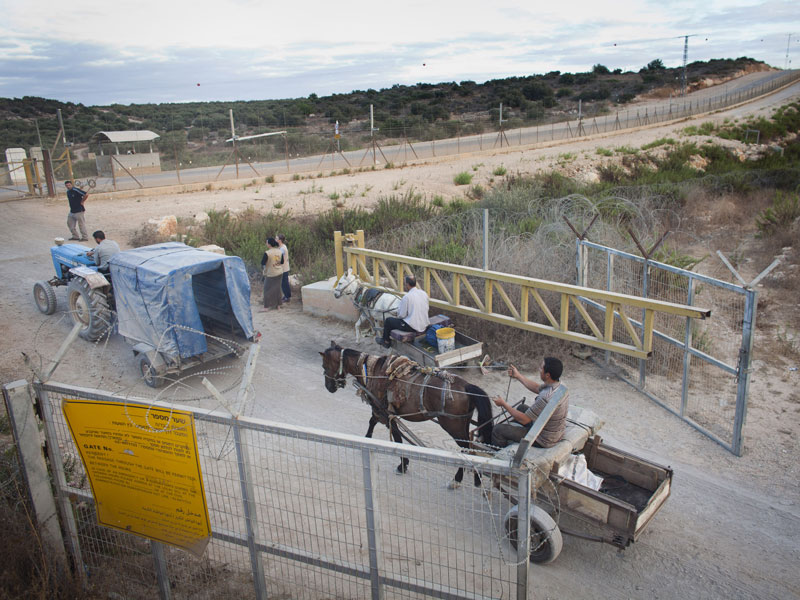
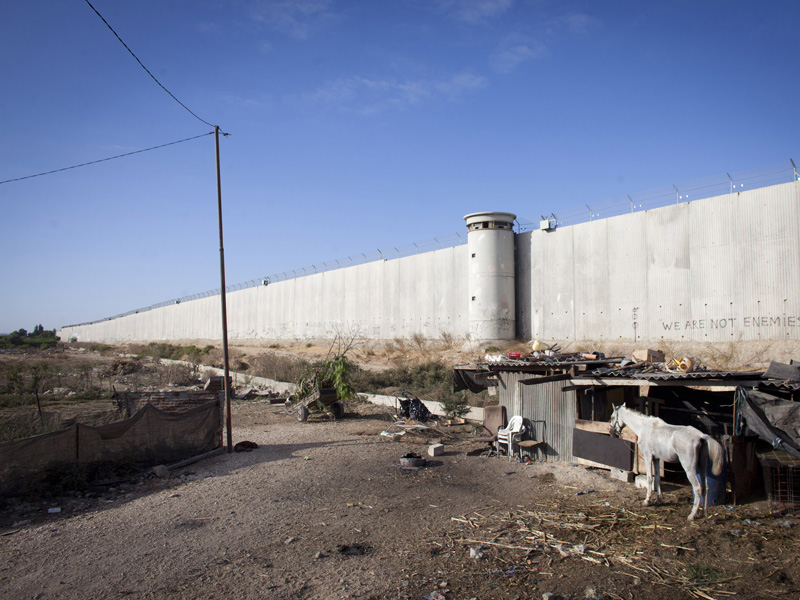
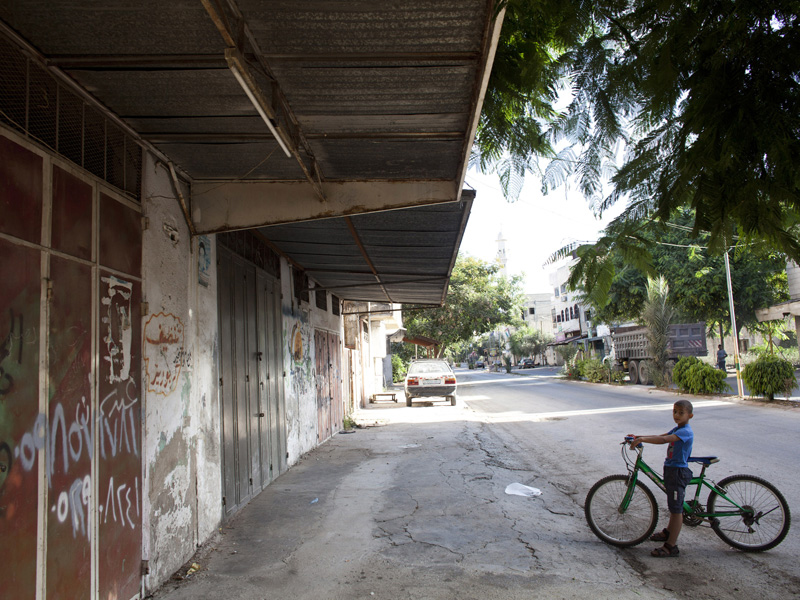
Most of the Separation Barrier route, constructed by Israel over the last ten years, does not follow the Green Line, the 1947 armistice line between the West Bank and Israel. Instead, the barrier lies within the West Bank and divides Palestinian villages from their pastures and farmlands, stifles any chance for economic development and makes survival extremely difficult for nearby Palestinian communities. As a result, the surrounding area’s economic stability and agricultural activity have declined sharply, and many Palestinians have simply packed up and left their homes.Read More 
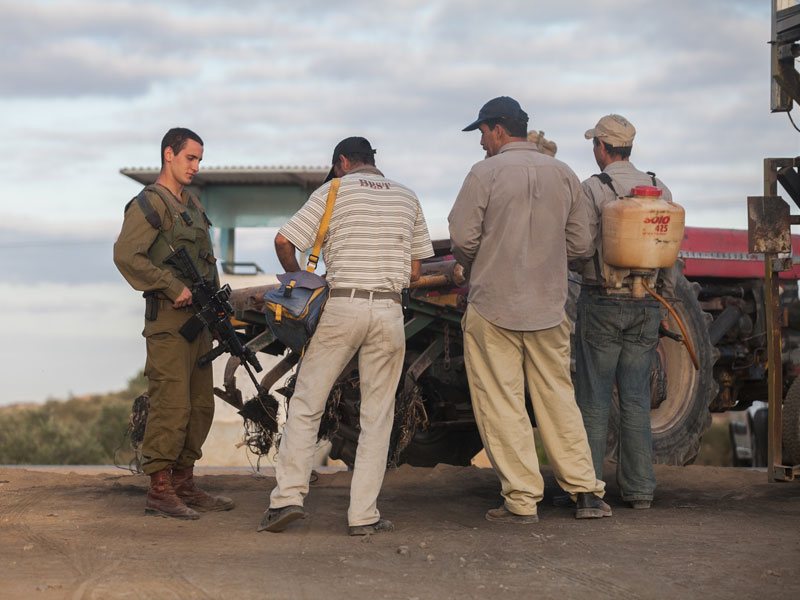
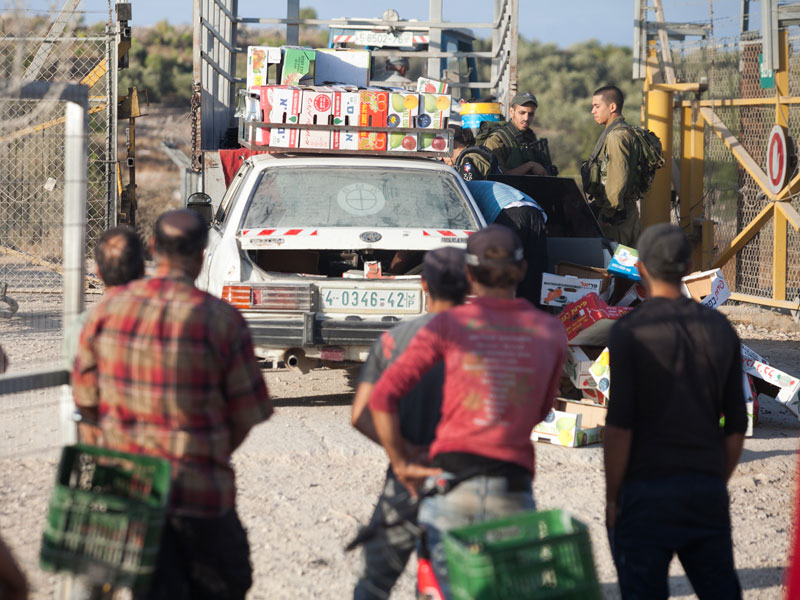
The construction of the barrier east of the Green Line creates a de facto annexation of many Israeli settlements, while isolating Palestinian communities in the same area caught between the barrier in the east and the Green Line to its west. Israel’s security establishment declared about 75 percent of the land between the barrier and the Green Line, home to some 7,500 Palestinian residents, a “seam zone” and conditions Palestinians' ability to enter these areas on a rigid and convoluted permit regime. However, the Israeli settlers living in the same area enjoy complete freedom of mobility between their homes and Israeli cities west of the Green Line.
Building the barrier inside the West Bank and imposing an inflexible permit regime impedes Palestinians’ human rights. Their right to freedom of movement is severely curtailed, and consequently also their right to work, to an education, to health care, to a normal family life, to earn a decent livelihood and to a reasonable standard of living. All of these services and opportunities exist only in neighboring cities and towns now outside of their reach. Read Less